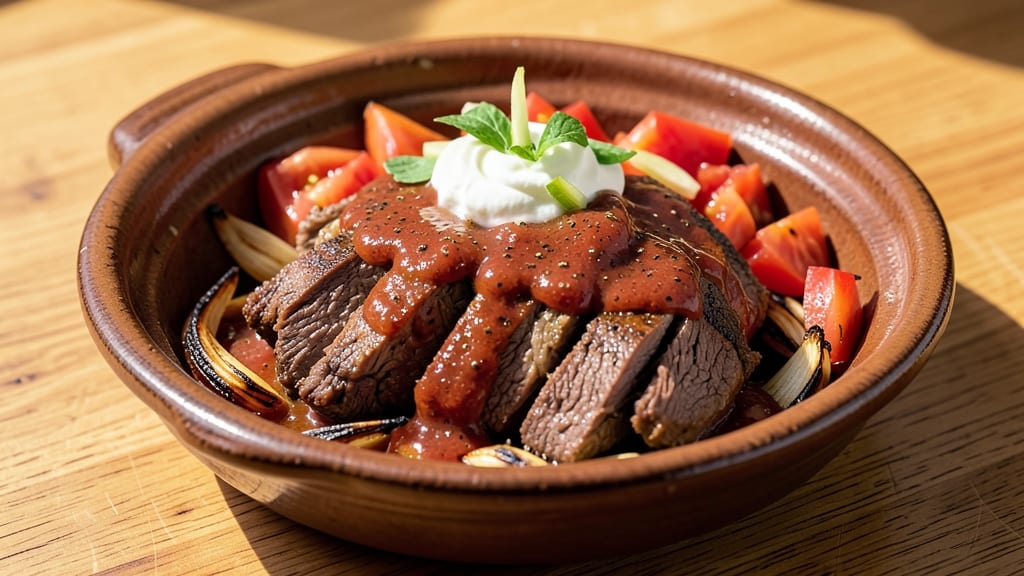
This beef Bengali recipe delivers the rich, aromatic flavors of traditional Indian cuisine with tender meat that melts in your mouth. The slow-cooked tomato curry builds layers of spice and depth, transforming tough beef into fork-tender perfection.
I developed this version after years of perfecting the balance between heat and tenderness—every bite carries that signature Bengali warmth. ⚡
The secret lies in the marinade, where yogurt and spices tenderize the meat while creating a fragrant crust. We slow-cook the beef until it’s so tender it falls apart, all while developing a sauce that’s both sweet and tangy from the caramelized tomatoes.
This isn’t just a curry—it’s a flavor experience that transports you to Kolkata with every spoonful.
By the time you serve it over steamed basmati rice, you’ll have a restaurant-quality dish that’s surprisingly simple to make at home. The aroma alone will have everyone gathering at the table, and the first bite delivers that perfect harmony of spice, acidity, and melt-in-your-mouth beef.
This is the kind of meal that becomes a family tradition.
Pair it with garlic naan or a cooling raita to balance the richness, and you’ve got a complete Bengali feast. The recipe scales beautifully for gatherings, but it’s just as impressive for weeknight dinners. Let’s create this flavorful masterpiece together—your taste buds will thank you.
Ingredients for beef bengali
Flavor-packed ingredients that transform tough beef into melt-in-your-mouth Bengali perfection.
| Ingredient | Amount | Notes |
|---|---|---|
| Beef Chuck Roast 🥩 | 2 lb | Cut into 1.5-inch cubes |
| Plain Yogurt 🥛 | 1 cup | Full-fat for best texture |
| Tomatoes 🍅 | 2 lbs | Roma or vine-ripened, halved |
| Onion 🧅 | 1 whole | Yellow, chopped coarse |
| Garlic Cloves 🧄 | 8 cloves | Peeled, lightly crushed |
| Ginger Root 🌿 | 1 ½ tbsp | Freshly grated, no zest |
| Ground Cumin 🌿 | 1 ½ tbsp | Toasted for deeper flavor |
| Turmeric Powder 🌶️ | 1 tsp | Bright yellow preferred |
| Coriander Powder 🌿 | 1 ½ tbsp | Freshly ground if possible |
| Red Chili Powder 🌶️ | 1 tbsp | Adjust for heat preference |
| Garam Masala 🌶️ | 1 tsp | Freshly toasted blend |
| Bay Leaves 🍃 | 2 whole | Fresh if available |
| Cumin Seeds 🌿 | 1 tsp | Toasted in oil first |
| Extra-Virgin Olive Oil 🫒 | 3 tbsp | For cooking and finishing |
| Salt 🧂 | 1 ½ tsp | Kosher or sea salt |
| Fresh Cilantro 🌿 | ¼ cup | Chopped for garnish |
The beef is non-negotiable—chuck roast delivers the best texture when slow-cooked, but brisket or short ribs work too. Cut it into even 1.5-inch cubes for consistent cooking. I always grab mine from Costco when possible, but the butcher section at Whole Foods has great options if you want to splurge. For the tomatoes, Roma are ideal—they break down beautifully and don’t get watery. If you can’t find them, vine-ripened works too, just remove the seeds first. The ginger and garlic? Fresh is a must—dried just won’t cut it here. Look for plump, firm ginger root with no soft spots, and fat garlic cloves that smell pungent when peeled.
No cumin seeds? Skip them entirely—the ground cumin will still give you that warm, earthy base. Running short on yogurt? Substitute with heavy cream, but reduce the amount to ½ cup and add 1 tsp lemon juice to balance. The garam masala is where the magic happens—Penzeys or Spicewalla have fantastic blends, but any good-quality brand will work. If you can’t find fresh bay leaves, dried works at half the amount. For the tomatoes, if you’re using canned, San Marzano is your best bet—none of that mushy, watery nonsense. The cilantro is optional but adds that fresh finish—skip it if you’re sensitive to cilantro taste. And trust me on the olive oil—use extra-virgin for that fruity depth that carries through the dish.
This curry tastes even better the next day as the flavors meld. Store in an airtight container in the fridge for up to 5 days, or freeze portions for 3 months. I always make a double batch—one for dinner, one for lunches. The sauce thickens as it cools, so add a splash of water or yogurt when reheating. Serve over steamed basmati rice—jasmine works too—and watch it disappear. The leftovers reheat beautifully in a skillet with a splash of water to loosen the sauce. Garnish with fresh cilantro right before serving, or freeze some in ice cube trays for quick garnishes later.
Why You’ll Love This Recipe
- Same recipe, different vibes: throw it over rice for a quick dinner or serve it in sliders for guests. I’ll be real, my kids ask for it on Tuesdays, but it’s also the star of my holiday potluck.
- One-Pot Magic: The beef, yogurt, and tomatoes all simmer together—no separate pans, no extra bowls. Honestly, I just chop the onion and garlic, toss everything in, and walk away for 20 minutes. That’s it.
- Tangy-Garlic Bomb: The yogurt softens the beef while the garlic and tomatoes caramelize into a sticky, rich sauce. Between us, the first bite hits like a flavor revelation—creamy, spiced, with that perfect balance of acidity.
- Weeknight to Party: Same recipe, different vibes: throw it over rice for a quick dinner or serve it in sliders for guests. I’ll be real, my kids ask for it on Tuesdays, but it’s also the star of my holiday potluck.
Step-by-step instructions for beef Bengali curry
Here’s how to transform tough beef into melt-in-your-mouth tender meat with vibrant tomato spices.
🍳 Step 1: Toast Spices and Build the Flavor Base
Heat 1 tablespoon of the extra-virgin olive oil in a heavy-bottomed pot over medium heat. Add the 1 teaspoon cumin seeds and toast for 30 seconds until they release their nutty aroma and begin to sizzle.
Immediately add the coarse chopped onion and cook for 5-6 minutes until softened and golden brown. This caramelization forms the flavor foundation. Stir in the lightly crushed garlic cloves and freshly grated ginger root, cooking for another 1 minute until fragrant. Here’s the thing—don’t rush this step. The spices need time to bloom and develop their full complexity.
🍳 Step 2: Develop the Spice Blend and Cook the Tomatoes
Reduce heat to medium-low and add the remaining 2 tablespoons extra-virgin olive oil, then stir in the ground cumin, coriander powder, turmeric powder, red chili powder, and garam masala. Cook for 1 minute to toast the spices and deepen their flavors.
Add the halved tomatoes and bay leaves, stirring to combine. Bring to a gentle simmer and cook uncovered for 10-12 minutes until the tomatoes break down into a thick, fragrant sauce. You’ll see the mixture reduce and darken slightly—that’s when you know the spices have melded perfectly with the tomatoes.
👨🍳 Step 3: Marinate and Parboil the Beef
While the tomato sauce simmers, whisk together the 1 cup plain yogurt, 1.5 teaspoons salt, and 1 tablespoon red chili powder in a bowl. Add the 1.5-inch beef cubes and coat thoroughly. Let marinate for 30 minutes at room temperature—this tenderizes the meat and balances the spices.
In a separate pot, bring 4 cups water to a boil. Add the marinated beef and cook for 8-10 minutes until the meat is just firm to the touch. Drain and set aside, reserving 1 cup of the cooking liquid. This quick parboil ensures the beef cooks through without drying out in the final curry.
🥘 Step 4: Combine and Simmer to Tender Perfection
Add the parboiled beef to the tomato sauce along with the reserved 1 cup cooking liquid. Stir gently to coat the meat in the spiced tomato mixture. Bring to a simmer, then reduce heat to low and cover partially. Cook for 1.5 hours, stirring occasionally, until the beef is fork-tender and pulls apart easily.
Here’s where patience pays off. The beef should be so tender it nearly falls apart when pierced with a fork. If the sauce reduces too much, add ¼ cup water at a time to maintain the perfect consistency. The curry should coat the back of a spoon but remain saucy enough to spoon over rice.
🍽️ Step 5: Finish and Garnish
Remove the bay leaves and adjust seasoning with additional salt if needed. Stir in the 3 tablespoons extra-virgin olive oil to enrich the sauce and balance the spices. For the final touch, fold in the ¼ cup chopped fresh cilantro just before serving.
Serve immediately over steamed basmati rice, spooning generous portions of the aromatic curry over each serving. The beef should be fork-tender with a perfect balance of smoky, spiced tomato flavors. Save any leftovers—they taste even better the next day as the flavors continue to develop.
Pro Tips For Making Beef Bengali
- SEAR THE CHUCK FIRST: Hit that beef chuck with a screaming-hot pan before marinating—3-4 minutes per side until deep brown. I used to skip this and ended up with bland, gray meat. The crust locks in flavor when it braises later.
- GRATE THE ONION: Skip chopping—grate the onion fine so it melts into the yogurt sauce instead of sitting as chunks. Works best with a box grater (the food processor makes it too wet). Trust me, your sauce will be smoother.
- DON’T BOIL THE TOMATOES: Simmer them low and slow until they’re just breaking down—about 15 minutes. Boiling turns them mushy and watery, and you’ll end up thinning your sauce way more than needed.
- REST THE YOGURT MIX: Let the yogurt-onion-tomato marinade sit for at least 30 minutes before using it. I learned this after rushing and getting a curdled mess—patience lets the flavors marry properly.
Common mistakes when making perfect results
Overcooking the Beef
One of the biggest mistakes is letting the beef cook too long, which turns it tough and dry. I’ve seen this happen when people forget to check the tenderness after 1.5 hours of simmering. Test with a fork—if it pierces easily and the meat pulls apart, it’s done.
If you’re unsure, remove a piece and let it cool for 2 minutes before tasting. The beef should be fork-tender but still hold its shape slightly. 💡
Skipping the Marinade
Many home cooks rush the marinating step, but this is where the magic happens. The yogurt and spices work together to tenderize the meat and create that signature Bengali flavor profile. I always marinate my beef for at least 30 minutes at room temperature—never in the fridge.
Cold temperatures slow down the chemical reactions that break down the muscle fibers. If you’re short on time, marinate for 15 minutes but don’t skip it entirely.
Ignoring the Parboil Step
The parboiling step is crucial for ensuring even cooking and preventing dry meat. I’ve seen people skip this because they think it’s unnecessary, but it makes all the difference.
The quick 8-10 minute boil in water removes impurities and ensures the beef reaches a safe internal temperature before the long simmer. After parboiling, always reserve 1 cup of the cooking liquid—this adds depth to the sauce later. Never drain it completely!
Rushing the Tomato Cooking
Many recipes call for quickly adding tomatoes at the end, but that’s a missed opportunity for flavor development. The tomatoes need to simmer uncovered for 10-12 minutes to break down and caramelize, creating that rich, sweet-tangy base.
I’ve tasted curries where people added raw tomatoes at the end—they were bland and watery. The key is patience here. Let those tomatoes reduce and meld with the spices before adding the beef.
Using the Wrong Pot
A heavy-bottomed pot is non-negotiable for this recipe. I’ve seen people use thin, lightweight pots that don’t distribute heat evenly, leading to scorched spices and uneven cooking. Invest in a good stainless steel or cast iron pot—they maintain consistent temperatures and prevent hot spots.
If you’re using non-stick, avoid it for this dish as the spices need to toast properly on the bottom for maximum flavor. 🔥
Overcrowding the Pot
Adding all the beef at once can lead to uneven cooking and a watery sauce. I always cook the beef in batches if needed, ensuring each piece has room to develop a good sear and absorb the flavors.
A good rule of thumb is to leave at least ½ inch of space between beef pieces when adding them to the sauce. If your pot is too small, cook in two batches—first sear the beef in the spiced oil before adding tomatoes, then combine everything at the end.
Nutrition facts
Frequently asked questions
What’s the best cut of beef for this Bengali curry?
Chuck roast is ideal because it becomes fork-tender when slow-cooked. For extra richness, try brisket or short ribs—both develop incredible flavor. Cut into even 1.5-inch cubes for consistent cooking. Avoid lean cuts like sirloin, as they dry out during the long simmer.
Can I make this curry ahead of time?
This dish actually tastes better the next day as flavors meld! Store in an airtight container in the fridge for up to 5 days or freeze for 3 months. Reheat gently in a skillet with a splash of water to restore sauce consistency. The beef will be even more tender after resting.
How do I adjust the spice level?
The recipe includes 1 tablespoon red chili powder for mild heat. For medium heat, increase to 1.5 tablespoons. For spicy, use 2 tablespoons plus ½ teaspoon cayenne pepper. Remember to toast all spices first to enhance their flavors—this makes a big difference in aroma and taste.
What’s the secret to tender beef every time?
Three key steps: marinating for 30 minutes (yogurt tenderizes), parboiling for 8-10 minutes (removes impurities), and low-and-slow simmering for 1.5 hours. The yogurt marinade is non-negotiable—it breaks down muscle fibers while balancing the spices. Never skip the parboil step!
What sides pair best with this curry?
Classic pairings include steamed basmati rice or jeera rice (cumin rice). For texture contrast, serve with garlic naan or roti. A cooling cucumber raita or boondi raita balances the richness. The aromatic spices in the curry work beautifully with mild, fluffy breads that soak up the sauce.

- Eggs Supreme Recipe: Fluffy Custard With Crispy Herb-Topped Magic - November 11, 2026
- All Bran Banana Nut Bread Recipe: Moist Grain-Packed Loaf With Warm Spice Harmony - November 11, 2026
- Freezer-Burned Shrimp Recipe: Buttery Garlic Revival in 15 Minutes - November 11, 2026