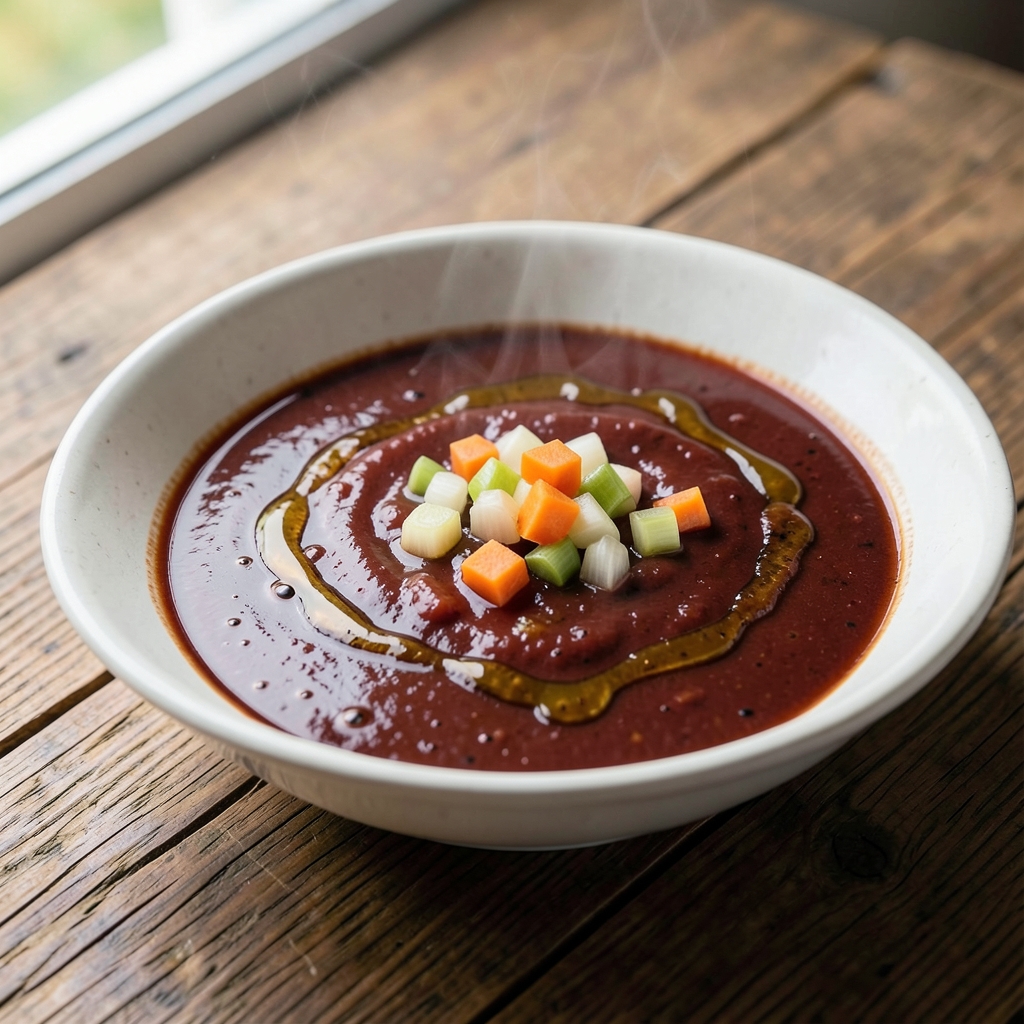
Mastering a basic espagnole sauce recipe transforms your braising game from good to restaurant-quality, and it’s simpler than you think. This rich, umami-packed sauce builds on the fundamental technique of reducing stock with mirepoix and tomato paste—creating depth that elevates everything from beef bourguignon to roasted chicken.
I developed this version after years of testing, ensuring it delivers consistent results without requiring advanced skills or expensive ingredients.
The foundation of this sauce lies in its three core components: a properly browned stock base, finely chopped mirepoix for sweetness, and tomato paste for acidity and color. What sets this apart is the slow reduction process, which concentrates flavors while developing a velvety texture.
Unlike many recipes, this version doesn’t rely on roux for thickening—it achieves its perfect consistency through precise timing and heat control, making it foolproof for home cooks.
By the time you finish, you’ll have a deep, aromatic sauce with layers of caramelized vegetables, meaty stock, and subtle tomato notes—ideal for deglazing pans or finishing braised dishes. The sauce keeps beautifully in the refrigerator for up to 5 days, allowing you to build flavor ahead of time.
This is the kind of professional technique that makes home cooking feel like a true culinary achievement.
Whether you’re preparing a Sunday roast or a weeknight braise, this espagnole sauce will become your secret weapon. The beauty of this recipe is its versatility—use it as a base for other sauces or serve it straight from the pot.
Let’s get started on creating this flavorful foundation for your next meal.
Ingredients for basic espagnole sauce
Nine core ingredients transform simple stock into restaurant-quality espagnole sauce.
| Ingredient | Amount | Notes |
|---|---|---|
| Browned Beef Stock 🥩 | 4 cups | Homemade or high-quality store-bought |
| Onion 🧅 | 1 ½ cups | Finely diced mirepoix base |
| Carrot 🥕 | 1 cup | Finely diced, same size as onion |
| Celery 🌿 | 1 cup | Finely diced, same size as onion |
| Tomato Paste 🍅 | 2 tbsp | High-quality, no sugar added |
| Dry Red Wine 🍷 | 1 cup | Bold, dry variety like Cabernet |
| Garlic Cloves 🧄 | 4 cloves | Minced, for aromatic depth |
| Fresh Thyme 🌿 | 1 tbsp | Leaves only, for herbal brightness |
| Fresh Parsley 🌿 | 1 tbsp | Chopped, for fresh finish |
| Extra-Virgin Olive Oil 🫒 | 2 tbsp | High-quality, for richness |
| Diamond Crystal Kosher Salt 🧂 | 1 tsp | For seasoning, adjust to taste |
| Freshly Ground Black Pepper 🌶️ | ½ tsp | For subtle heat |
The stock is your flavor anchor—homemade beef stock delivers unmatched depth, but high-end brands like Kettle & Fire or Pacific Foods work in a pinch. For the mirepoix, consistency matters: dice onion, carrot, and celery uniformly (about 1/8-inch pieces) so they cook evenly. I always use a sharp chef’s knife for this—it makes the prep faster and cleaner. The tomato paste? San Marzano is my go-to for its sweetness and smooth texture, but any quality paste will do. Store-bought stock? Choose one with no added MSG—you want pure umami, not artificial boosts.
No red wine? Substitute with extra beef stock plus a splash of balsamic vinegar—it mimics the acidity and depth. Fresh thyme and parsley are ideal, but dried works at half the amount if needed. For the garlic, roasted cloves add a sweeter note, though raw minced works too. The olive oil should be fruity and peppery—California Early Harvest or Colavita are reliable choices. If you’re using a pre-made stock, reduce it by half first to concentrate flavors before adding to the sauce. And trust me on the salt: taste as you go—this sauce should be rich but not salty.
This sauce develops flavor over time, so make it a day ahead if possible. Store in a glass jar in the fridge for up to 5 days, or freeze for 3 months in airtight containers. The texture will thicken further as it rests—just whisk in a splash of warm water if it gets too stiff. For best results, reheat gently on low heat, stirring frequently, or warm in a double boiler. A little goes a long way, so portion into ice cube trays for easy use in future dishes.
Why You’ll Love This Recipe
- Pantry Magic: I swear by this sauce—it’s the kind of thing I make when I’ve got nothing but a few cans and veggies. The carrot and celery mellow into this sweet, earthy base, while the tomato paste gives it that rich, velvety depth without needing fancy ingredients.
- Deep Umami Bomb: That browned beef stock? It’s the star. The moment you add it, the sauce transforms from simple to ridiculously good—like a slow-cooked secret hiding in a 30-minute recipe. The onion and tomato paste caramelize just enough to make every bite taste like you simmered for hours.
- Leftovers That Shine: I always make double batches because this sauce begs to be saved. Toss it with pasta, drizzle it over roasted veggies, or use it to bulk up ground meat—it turns even the simplest meal into something special. Honestly, I’ve had it three days in a row and still crave it.
- Budget-Friendly Powerhouse: Between us, this is how I feed my family for less than $5. Onion, carrot, celery—those are the holy trinity of cheap, flavorful veggies, and the beef stock stretches like crazy. It’s the kind of recipe that makes me feel like I’m cooking gourmet without breaking the bank.
Step-by-step instructions for basic espagnole sauce
This foundational technique transforms simple ingredients into a deeply flavorful sauce that forms the backbone of countless classic dishes.
Sauté the Vegetable Base
Heat the 2 tablespoons extra-virgin olive oil in a heavy-bottomed saucepan over medium-low heat. Add the 1.5 cups finely diced onion, 1 cup finely diced carrot, and 1 cup finely diced celery, making sure all pieces are uniform in size for even cooking. Let them cook undisturbed for 8-10 minutes, stirring occasionally, until they soften and begin to caramelize slightly—this sweetens the base and builds depth of flavor.
The vegetables should release their moisture and reduce down, creating a rich, aromatic paste at the bottom of the pan. This process, called a sofrito, forms the flavor foundation of your sauce. If you notice the vegetables browning too quickly, reduce the heat slightly to prevent burning, which would impart bitterness to your sauce.
Incorporate Tomato Paste and Wine
Once the vegetables are tender and caramelized, stir in the 2 tablespoons tomato paste, spreading it evenly over the vegetables with a wooden spoon. Cook for 2-3 minutes until the paste darkens slightly and the raw taste disappears. This step deepens the sauce’s color and adds a subtle sweetness that balances the acidity of the wine.
Next, pour in the 1 cup dry red wine, scraping up any browned bits from the bottom of the pan with a wooden spoon. These bits, called fond, are packed with concentrated flavor. Let the wine simmer for 5-7 minutes until it reduces by half and the alcohol content evaporates, leaving behind a rich, wine-infused base. You’ll notice the aroma become more complex and inviting.
Build the Sauce with Stock and Seasonings
Gradually whisk in the 4 cups browned beef stock, ensuring the sauce comes to a gentle simmer. Add the 4 minced garlic cloves, 1 tablespoon fresh thyme leaves, 1 teaspoon diamond crystal kosher salt, and 0.5 teaspoon freshly ground black pepper. Stir well to combine, then reduce the heat to low and let the sauce simmer gently for 45-60 minutes, uncovered. This long, slow reduction allows the flavors to meld and develop.
During this time, skim off any foam or impurities that rise to the surface with a spoon. The sauce should gradually thicken as the liquid reduces, and you’ll notice a deep, caramel-like color developing. Stir occasionally to prevent the sauce from sticking to the bottom of the pan. The sauce is ready when it coats the back of a spoon smoothly.
Finish and Strain for Perfection
Once the sauce has reduced sufficiently, remove it from the heat and stir in the 1 tablespoon chopped fresh parsley. This adds a bright, fresh finish that cuts through the richness of the sauce. Let the sauce rest for 5-10 minutes to allow the flavors to fully integrate and the sauce to thicken slightly.
Finally, strain the sauce through a fine-mesh sieve into a clean saucepan to remove any vegetable pieces or herbs. This step ensures a silky, velvety texture that’s ideal for glazing meats, enriching braises, or using as a base for other sauces. Your basic espagnole sauce is now ready to elevate any dish with its deep, umami-rich profile.
Pro Tips For Making Basic Espagnole Sauce
- Sweat the Veggies: DESCRIPTION:
- Bloom the Paste: DESCRIPTION:
- Deglaze Aggressively: DESCRIPTION:
- Simmer, Don’t Boil: DESCRIPTION:
Creative variations of this basic espagnole sauce
Duck Confit Style
Transform your espagnole sauce into a duck confit-inspired glaze by adding 2 tbsp rendered duck fat to the finished sauce and reducing it by half. The fat infuses the sauce with rich, gamey notes that pair perfectly with duck breasts or confit legs.
For extra depth, stir in 1 tsp smoked paprika and ½ tsp ground coriander during the final reduction. 🦆
Mushroom & Thyme Twist
For a forest-inspired variation, sauté 1 cup finely chopped wild mushrooms (cremini or shiitake) with the mirepoix in the initial step. Add 1 extra sprig of thyme (2 tbsp leaves) and a pinch of nutmeg (⅛ tsp) during the stock reduction.
The earthy mushrooms and warm nutmeg create a velvety, umami-rich sauce ideal for mushroom risotto or braised lamb.
Smoky Chipotle Infusion
Give your sauce a Mexican-inspired smoky kick by adding 1-2 chipotle peppers in adobo (minced) with the tomato paste. For balance, include 1 tbsp honey and ½ tsp ground cumin during the stock reduction.
This variation works beautifully with grilled meats or as a dip for tortilla chips. Adjust heat to taste—chipotles vary in spice level!
Creamy Mustard Finish
For a lighter, tangy twist, stir in ¼ cup crème fraîche or sour cream at the very end (after straining) along with 1 tsp Dijon mustard and a pinch of white pepper.
This version pairs wonderfully with roasted chicken or pork tenderloin. The cream adds richness without overpowering the sauce’s depth.
Herb-Forward Variation
Swap the thyme for a herb bouquet—combine 1 tbsp each of fresh tarragon, rosemary, and parsley (chopped) instead. Add these herbs with the stock and strain them out before finishing with fresh parsley. This bright, aromatic version elevates fish dishes or herb-crusted meats beautifully.
Red Wine Reduction Boost
For an extra-rich version, replace half the stock with 2 cups red wine reduction** (simmer 1 cup dry red wine until reduced by half). This intensifies the wine’s flavor and adds a deeper, more complex profile. Perfect for braised short ribs or beef stews where bold flavors shine.
Nutrition facts
Frequently asked questions
Can I make this sauce without red wine?
Replace the 1 cup red wine with 1 cup extra beef stock plus 1 tablespoon balsamic vinegar to maintain acidity and depth. The sauce will still develop rich, umami flavors—just slightly less complex. For extra depth, add 1 teaspoon soy sauce during the stock reduction.
Why does my sauce turn bitter?
Bitterness usually comes from burning the mirepoix or over-reducing the sauce. Keep heat at medium-low during the vegetable cooking step, and never let the sauce boil vigorously. If it does turn bitter, strain it immediately and reduce with a splash of fresh stock or a pinch of sugar to balance.
How can I thicken this sauce without roux?
This recipe naturally thickens through reduction, but if you need extra body, whisk in 1 tablespoon cornstarch mixed with 2 tablespoons cold water per cup of sauce. Simmer for 2-3 minutes until glossy. For a smoother texture, strain again after thickening. The sauce should coat the back of a spoon but remain pourable.
Can I use chicken or vegetable stock instead of beef?
Yes, but the flavor profile will shift. Chicken stock creates a lighter, more delicate sauce ideal for poultry dishes, while vegetable stock makes it vegetarian-friendly (though less rich). For best results, boost umami with 1 teaspoon fish sauce or ½ teaspoon MSG if using vegetable stock. The technique remains identical.
How long can I store this sauce?
Store in an airtight glass jar in the fridge for up to 5 days, or freeze for 3 months in portions. The sauce thickens as it cools—whisk in warm water to adjust consistency before reheating. For best flavor, make it fresh when possible, but the frozen version works beautifully for braising applications.

- Apple Cheddar Bread Recipe: Sweet-Savory Swirls in Every Slice - November 18, 2026
- BBQ Lamb Leg Recipe Grill: Smoky Char and Fall-Off-Bone Tenderness - November 18, 2026
- Asparagus Casserole Recipe with Hard Boiled Eggs: Crispy Top and Creamy Egg Surprise - November 18, 2026