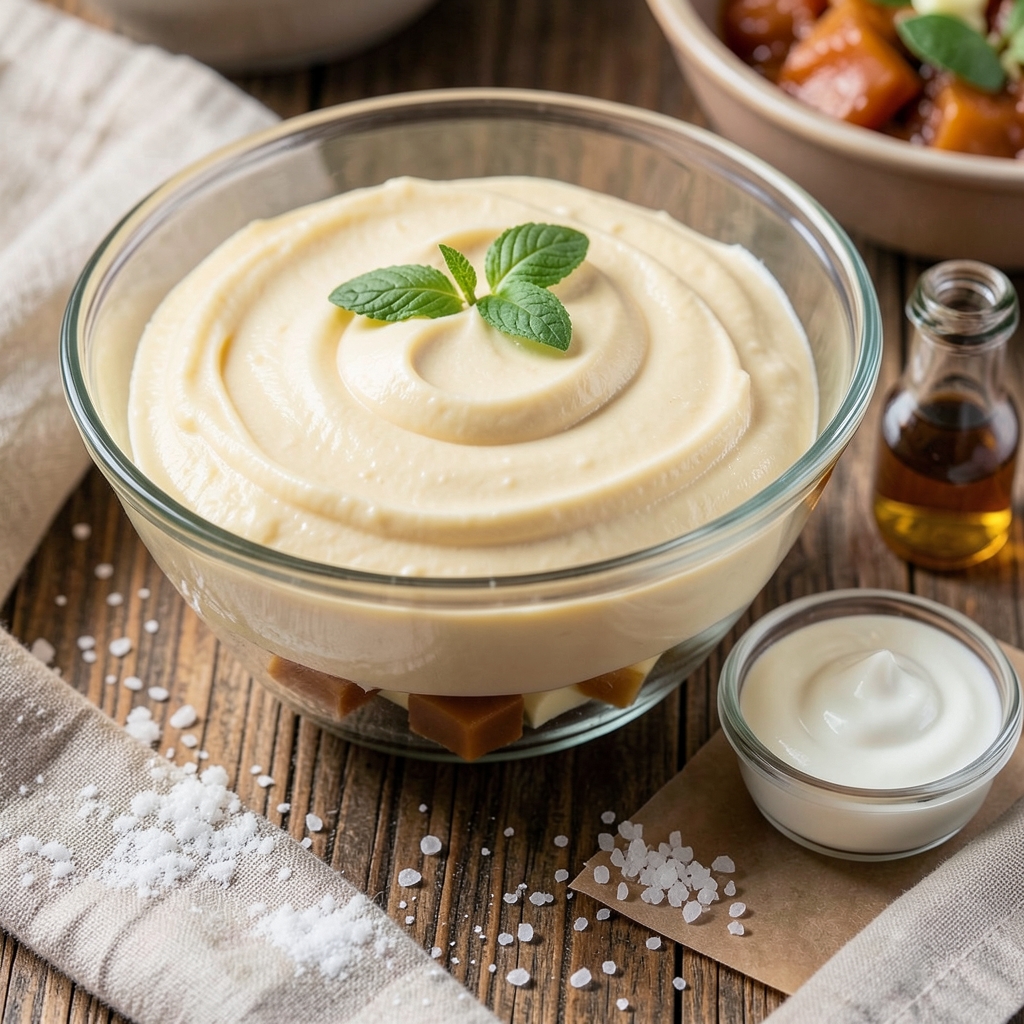
This basic buttercream frosting recipe delivers the perfect balance of whipped lightness and stable structure—no grainy lumps or separation in sight. After years of testing, I’ve perfected a foolproof method that works every time, whether you’re piping roses or filling a sheet cake.
The secret lies in precise ratios and gradual incorporation of ingredients, a technique I learned the hard way during my first (very lumpy) attempt at decorating a birthday cake.
The foundation of great buttercream is room-temperature butter whipped to fluffy peaks before adding powdered sugar gradually. This ensures a smooth, creamy texture without the risk of sugar crystals forming.
My version uses a 1:2 ratio of butter to powdered sugar—just enough structure to hold shape while remaining light enough to pipe delicate details. For extra stability, I incorporate a small amount of heavy cream or milk, which also prevents cracking when exposed to humidity.
What you’ll end up with is a frosting that’s silky smooth, holds its shape in hot weather, and tastes like pure vanilla bliss. It’s versatile enough for everything from tiered wedding cakes to simple cupcakes, and the recipe scales perfectly for any project.
The key is patience—whipping the butter properly takes time, but the results are worth every minute of effort. Once you master this technique, you’ll never buy store-bought frosting again.
Store leftovers in an airtight container in the refrigerator for up to 5 days, or freeze for longer storage. Simply rewhip with a hand mixer before using. For flavor variations, add extracts (vanilla, almond, or peppermint) or mix in cocoa powder for chocolate buttercream.
This is the frosting I reach for whenever I need reliable, professional-quality results at home.
Ingredients for basic butter cream frosting
Six ingredients transform into the perfect buttercream—smooth, stable, and ready for any cake.
| Ingredient | Amount | Notes |
|---|---|---|
| Unsalted Butter 🧈 | 1 cup | Room temperature, no salt added |
| Powdered Sugar 🍚 | 2 cups | Sifted for smooth texture |
| Heavy Whipping Cream 🥛 | ¼ cup | Cold for stability |
| Pure Vanilla Extract 🌿 | 1 tbsp | High-quality for flavor |
| Milk 🥛 | 1 tbsp | Whole milk preferred |
| Diamond Crystal Kosher Salt 🧂 | ¼ tsp | Fine grain for balance |
| Corn Syrup 🍯 | 1 tbsp | Optional for extra stability |
The butter is non-negotiable—room temperature is critical. Grab a stick from the fridge 30 minutes early and let it sit on the counter. Plugrá or Land O’Lakes are my go-tos, but any unsalted will work. The powdered sugar should be sifted to avoid lumps—Domino or C&H brands are my pantry staples. Pro tip: If your kitchen is humid, add the corn syrup to prevent cracking. It’s a game-changer for summer weddings.
No heavy cream? Half-and-half or whole milk will work, but the texture won’t be as stable. Short on vanilla? Almond extract at half the amount adds depth. The salt is subtle but balances sweetness—skip it only if your sugar is already iodized. For chocolate buttercream, swap half the powdered sugar for unsweetened cocoa powder. And if you’re piping intricate designs, chill the frosting 30 minutes before using—it’ll hold its shape like a dream.
This frosting keeps beautifully—5 days in the fridge, 3 months frozen. For freezing, portion into airtight containers with parchment between layers. Rewhip with a hand mixer until fluffy before using. Need to scale? Double everything for larger cakes, but whip the butter in two batches to avoid overheating. Trust me, your cakes will thank you.
Why You’ll Love This Recipe
- Five-Ingredient Magic: I swear by this combo—just butter, sugar, cream, vanilla, and a splash of milk. That’s it. No weird stabilizers or overcomplicated steps, just pure, velvety perfection with ingredients you already own.
- No-Fail Creaminess: Between us, I’ve burned frosting before. But this? The heavy cream and softened butter blend so smoothly, even if I rush. The milk keeps it luscious without curdling—just beat, taste, adjust. Done.
- Cupcake to Cake: Honestly, this frosting works everywhere. Slather it on vanilla sheet cake for a crowd, pipe it into cupcakes for a party, or even dollop it on pancakes for a decadent weekend treat. Same recipe, endless uses.
- Leftovers? Even Better: I always make extra because it keeps for days in the fridge—no weird texture changes. The next morning, I’ll toss a spoonful into coffee or spread it on toast. Waste? Never.
Step-by-step instructions for basic butter cream frosting
Here’s how to achieve that perfect whipped buttercream with silky texture and no separation.
Prepare Your Ingredients for Maximum Stability
Begin by ensuring your 1 cup unsalted butter is completely at room temperature—it should be soft enough to press gently with your finger but not greasy. I like to cut it into small cubes and let it sit at room temperature for about 1 hour before starting. This ensures even incorporation without lumps.
Place the 2 cups powdered sugar in a fine-mesh sieve and give it a good shake to remove any clumps. Sifted sugar dissolves more smoothly and prevents graininess in your frosting. Keep the 0.25 cup heavy whipping cream cold in the refrigerator until you’re ready to use it—this helps stabilize the final texture.
Beat Butter Until Light and Fluffy
In a stand mixer fitted with the paddle attachment, beat the room-temperature butter on medium speed for 3-4 minutes until it becomes pale and fluffy. You’ll see it nearly double in volume and develop a smooth, creamy consistency. This step is crucial—under-beating leads to dense frosting, while over-beating can cause separation later.
Here’s the thing—you want to see the butter take on a ribbed texture where it pulls away slightly from the sides of the bowl. This indicates proper aeration. I press the paddle against the butter to check: if it leaves a clean imprint, it’s ready for the next step.
Gradually Add Powdered Sugar for Smooth Incorporation
With the mixer running on low speed, begin adding the sifted powdered sugar 1 tablespoon at a time. This gradual approach prevents sugar from settling at the bottom and ensures even distribution. After each addition, increase the speed to medium and beat for 30 seconds to fully incorporate.
I like to use a small offset spatula to gently fold any sugar that clings to the sides of the bowl back into the mixture. This prevents graininess in your final frosting. The mixture should start to look smooth and thick, like a thick pudding, before you proceed to the next ingredients.
Incorporate Wet Ingredients for Stability and Flavor
Add the 1 tablespoon pure vanilla extract, 1 tablespoon milk, 0.25 teaspoon diamond crystal kosher salt, and 1 tablespoon corn syrup to the butter-sugar mixture. Mix on medium speed for 2-3 minutes until everything is completely combined and the frosting is smooth and creamy.
The corn syrup acts as a stabilizer, helping prevent sugar crystallization and separation. The salt balances the sweetness while enhancing the vanilla flavor. At this point, your frosting should be thick but still pipeable—if it’s too stiff, you can add 1 teaspoon milk at a time until you reach the desired consistency.
Whip to Final Consistency for Perfect Texture
Increase the mixer speed to high and whip the frosting for 3-4 minutes until it becomes light and fluffy. You’ll see it increase in volume and develop a smooth, glossy finish. The frosting should hold its shape when piped but still be soft enough to spread easily.
For the ultimate test, pipe a small amount onto a plate and let it sit for 5 minutes. If it holds its shape without weeping or separating, you’ve achieved perfect stability. If it’s too soft, chill it for 15-20 minutes before using. This frosting keeps beautifully in the refrigerator for up to 3 days—just bring it to room temperature and re-whip briefly before using.
Pro Tips For Making Basic Butter Cream Frosting
- SOFTEN THE BUTTER FIRST: I learned this the hard way—cold butter from the fridge will make your frosting grainy no matter how much you beat it. Microwave 20-30 seconds or set the bowl in warm water for 2 minutes until just pliable (not melted). Room temperature butter is a myth here—you want it soft enough to blend smoothly but not greasy.
- SIFT THE POWDERED SUGAR: Lumps in powdered sugar turn your frosting into a gritty mess. Sift it directly into your mixing bowl before adding anything else—this also aerates it slightly, making the final frosting lighter. Skip this, and you’ll be scraping sugar off your beaters later.
- WARM THE WHIPPING CREAM: Heavy whipping cream whips better when it’s just slightly warm (not hot). Give it a 10-second zap in the microwave or set the bowl in warm water for 30 seconds—this makes it easier to whip and helps it blend seamlessly into the butter. Cold cream? You’ll be chasing stiff peaks for 10 minutes.
- ADD VANILLA LAST: Vanilla extract has alcohol, which can cut buttercream if mixed in too early. Stir it into the powdered sugar first, then fold it in at the very end with the milk. This keeps the flavor bright and prevents the frosting from breaking down. (Yes, even if you’re impatient like me.)
Troubleshooting great basic butter cream frosting
Butter Too Soft?
If your butter feels too soft or greasy when starting, it’s not ready. Cold butter won’t whip properly and can cause separation. My trick? Place the butter in the fridge for 10 minutes before starting.
You want it to yield slightly when pressed but still hold its shape. If it’s already melted, chill the bowl in the freezer for 5 minutes while mixing to help it firm up.
Grainy Texture?
Graininess usually means your powdered sugar wasn’t sifted properly or was added too quickly. Always sift your sugar through a fine-mesh sieve before adding it to the butter. If you’re already mixing, stop immediately and use a small spatula to fold in any sugar clumps from the bowl’s sides.
For extra smoothness, add 1 teaspoon milk to help dissolve any remaining sugar crystals.
Frosting Too Thin?
A runny frosting often happens when the butter wasn’t whipped long enough or too much liquid was added. To fix it, place the bowl in the freezer for 10-15 minutes while mixing occasionally. This helps thicken it up.
If it’s still too thin, add 1-2 tablespoons more powdered sugar and mix until smooth. For piping, chill the frosting for 30 minutes before using to help it hold its shape.
Separation Happening?
Separation occurs when butter and sugar aren’t properly combined or if the mixture was over-whipped. To rescue it, stop mixing immediately and use a rubber spatula to fold the separated butter back into the sugar mixture.
If the frosting is too warm, chill it for 10 minutes before attempting to re-whip. For future batches, ensure your butter is at room temperature and add wet ingredients gradually to prevent breaking.
Weeping or Sweating?
This usually happens in humid conditions or if the frosting wasn’t stabilized properly. To prevent it, add 1 tablespoon corn syrup to your recipe—it acts as a humectant to keep moisture locked in.
If it’s already happened, chill the frosting for 1 hour to firm it up, then re-whip briefly to redistribute the moisture. For long-term storage, keep it in an airtight container with parchment paper between layers to absorb any excess moisture.
Frosting Not Holding Shape?
If your frosting collapses or doesn’t hold its shape when piped, it’s likely too soft. Chill the frosting for 30-60 minutes before using—this helps it firm up enough to hold decorations. For extra stability, add 1 extra tablespoon of powdered sugar and whip again.
If you’re working in a warm kitchen, keep your frosting in the fridge until just before use, then re-whip briefly to soften it slightly.
Nutrition facts
Frequently asked questions
Can I substitute heavy cream with something else?
Yes! If you don’t have heavy cream, use ½ cup whole milk or ¼ cup half-and-half—just know the texture will be slightly less stable. For extra stability in warm climates, add 1 tbsp corn syrup to compensate. The cream helps prevent cracking when exposed to humidity, but these substitutes still work beautifully for most recipes.
Why does my buttercream sometimes separate?
Separation usually happens when butter isn’t at room temperature or if wet ingredients are added too quickly. To fix it, stop mixing immediately and gently fold the separated butter back in with a spatula. For future batches, always let butter soften for 1 hour before starting, and add liquids gradually while mixing on low speed.
How do I make chocolate buttercream?
Replace 1 cup of powdered sugar with ½ cup unsweetened cocoa powder (sifted) while keeping the butter and remaining sugar. Add 1-2 tbsp milk if needed for smoothness. For richer flavor, melt 1 oz dark chocolate and mix it in at the end. This version works perfectly for layering cakes or piping rosettes.
Can I make this frosting without a stand mixer?
Use a hand mixer with a beater attachment and whip the butter for 5-7 minutes until pale and fluffy. For the sugar, add it 1 tbsp at a time while mixing on medium speed, scraping the bowl often. It’ll take more elbow grease, but you’ll still get that same smooth, professional texture.
How do I store leftover frosting?
Transfer to an airtight container and refrigerate for up to 5 days. For longer storage, freeze in portions with parchment between layers (up to 3 months). To use, let it soften at room temperature for 10 minutes, then re-whip with a mixer until smooth. Avoid freezing if you plan to use it within a week.

- BJ’s Caprese Salad Recipe: Fresh Mozzarella, Tomato, and Basil Brilliance - November 9, 2026
- Baked Chicken Wings Marinade Recipe: Smoky Garlic-Herb Infusion for Crispy Perfection - November 9, 2026
- Almond Flour Flatbread Bread Recipe: Crispy, Nutty Perfection in 10 Minutes - November 9, 2026