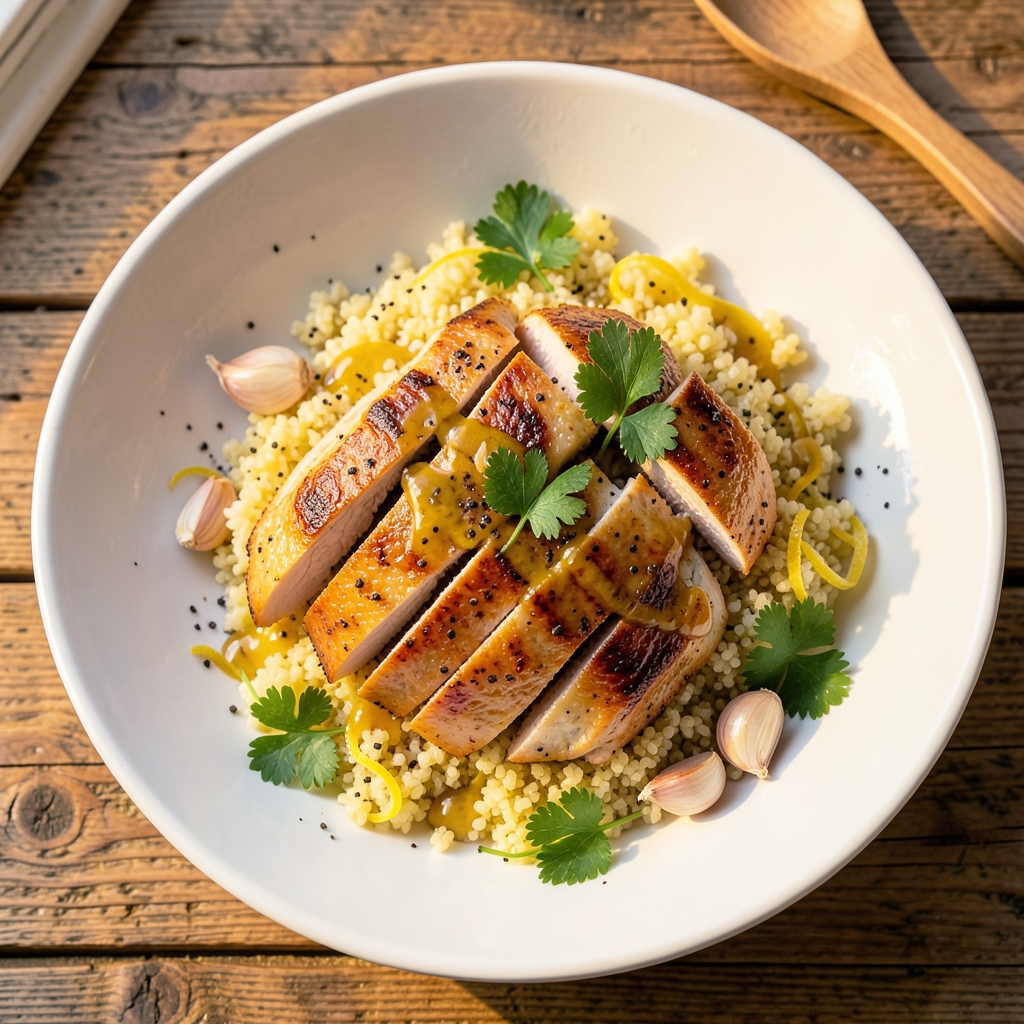
This baked unbreaded chicken tenders recipe delivers juicy, tender results without relying on breading—perfect for those who crave crispy texture without the extra calories.
After years of testing, I’ve perfected a method that keeps the chicken moist inside while developing a golden, slightly crispy exterior through a simple marinade and precise baking technique. The secret lies in the balance of seasoning and moisture retention, ensuring every bite stays succulent.
The recipe starts with a flavorful marinade that tenderizes the chicken while infusing it with savory notes—no breadcrumbs or deep-frying required. Using high-quality chicken thighs or breasts, you’ll cut prep time to just 15 minutes, followed by a 20-minute bake at 400°F for foolproof results.
The marinade’s acidity (from lemon or vinegar) breaks down proteins, while olive oil ensures a tender finish.
What you’ll end up with is restaurant-quality tenders—golden on the outside, moist and juicy inside, with a subtle crispness that satisfies without being greasy. These tenders hold up well for meal prep, making them ideal for lunches or quick dinners.
Serve with honey mustard, marinara, or a side of roasted vegetables for a complete meal.
This method works equally well for whole chicken pieces or cut tenders, and the seasoning can be customized to suit any flavor profile—herb-forward, spicy, or classic. Let’s get started on a dish that proves unbreaded chicken can be just as delicious as the traditional version.
Ingredients for baked unbreaded chicken tenders
High-quality chicken, aromatic marinade, and precise baking create restaurant-style tenders without breading.
| Ingredient | Amount | Notes |
|---|---|---|
| Boneless, Skinless Chicken Thighs 🍗 | 1 ½ lb | Cut into 1-inch thick tenders |
| Extra-Virgin Olive Oil 🫒 | ¼ cup | High-quality, fruity variety |
| Lemon Juice 🍋 | ¼ cup | Freshly squeezed, strained |
| Garlic Cloves 🧄 | 4 cloves | Minced, fresh preferred |
| Diamond Crystal Kosher Salt 🧂 | 1 tbsp | Fine grain preferred |
| Ground Black Pepper 🌶️ | 1 tsp | Freshly ground for best flavor |
| Dried Oregano 🍃 | 1 tsp | Mexican oregano preferred |
| Smoked Paprika 🌶️ | ½ tsp | For subtle smokiness |
| Ground Cumin 🌿 | ½ tsp | Toasted for deeper flavor |
| Cornstarch 🌾 | 2 tbsp | For crispy exterior |
| Fresh Parsley 🌿 | ¼ cup | Chopped, for garnish |
| Unsalted Butter 🧈 | 1 tbsp | Melted, for brushing |
The chicken selection is critical—thighs yield juicier results than breasts due to their higher fat content, but breasts work if you pound them evenly. Whole Foods or Costco carry premium cuts; look for pieces with minimal bruising and vibrant color. The marinade’s acidity (lemon juice) tenderizes while the olive oil locks in moisture. Penzeys Spices offers excellent smoked paprika and cumin, but any high-quality brand will suffice. Toast the cumin seeds briefly in a dry pan before grinding for enhanced aroma—this step elevates the dish significantly.
No fresh parsley? Dried parsley at one-third the amount works, though fresh adds vibrant color. Substitute lemon juice with white vinegar or apple cider vinegar if needed, but adjust to taste—vinegar has a stronger flavor. For a spicier kick, add ½ tsp cayenne pepper to the marinade. The cornstarch creates a crispy exterior without breading; if unavailable, use all-purpose flour at the same ratio. For extra moisture, marinate the chicken for up to 4 hours in the refrigerator, though 30 minutes suffices for quick preparation.
These tenders reheat beautifully—350°F for 8-10 minutes restores crispiness. Store leftovers in an airtight container for up to 3 days in the fridge or 3 months frozen. To maintain texture, avoid overcrowding the baking sheet; space tenders ½-inch apart. For meal prep, portion into single servings before freezing, ensuring even reheating. The melted butter brush adds a final touch of richness—use full-fat for optimal flavor
Why You’ll Love This Recipe
- I swear by this: just slice the thighs into strips, toss in a bowl with olive oil, lemon juice, and crushed garlic—no measuring cups, no stress. It’s the kind of recipe where you can literally do it while scrolling through your phone.
- No-Fuss Prep: I swear by this: just slice the thighs into strips, toss in a bowl with olive oil, lemon juice, and crushed garlic—no measuring cups, no stress. It’s the kind of recipe where you can literally do it while scrolling through your phone.
- Garlic-Lemon Magic: That bright lemon and raw garlic punch cuts through the richness of the chicken, leaving you with something crispy on the outside but juicy inside. Honestly, it’s the kind of flavor combo that makes you want to eat it straight from the pan.
- Meal Prep Hero: Between us, these tenders reheat like a dream—no soggy disappointment here. I make a big batch on Sundays, pack them for lunches, or toss them into salads all week. They’re my secret weapon for lazy days.
Step-by-step instructions for baked unbreaded chicken tenders recipe
Here’s the method that delivers tender, juicy chicken without relying on breading or frying.
Prepare the Chicken and Marinade
Cut the 1.5 lb boneless, skinless chicken thighs into 1-inch thick tenders, removing any excess fat or connective tissue. Pat them completely dry with paper towels—this is crucial for achieving crispiness. In a small bowl, whisk together the 0.25 cup extra-virgin olive oil, 0.25 cup lemon juice, 1 tbsp diamond crystal kosher salt, 1 tsp ground black pepper, 1 tsp dried oregano, 0.5 tsp smoked paprika, and 0.5 tsp ground cumin until fully combined. This marinade will infuse the chicken with bright, aromatic flavors while tenderizing the meat.
Place the chicken tenders in a resealable plastic bag and pour the marinade over them, ensuring each piece is thoroughly coated. Seal the bag and refrigerate for at least 30 minutes, or up to 2 hours for deeper flavor penetration. The acidity from the lemon juice will begin breaking down the proteins, resulting in a more tender final texture. If you’re short on time, proceed with a 15-minute marinade, but the flavor and texture will be less optimal.
Create the Cornstarch Coating
In a shallow dish, combine the 2 tbsp cornstarch with 0.25 cup chopped fresh parsley. This mixture will create a light, crispy crust without the heaviness of traditional breading. The cornstarch acts as a natural thickener and browning agent, delivering that satisfying crunch we associate with classic chicken tenders. Stir the parsley into the cornstarch until evenly distributed—this ensures every bite will have a pop of fresh herb flavor.
Remove the chicken from the marinade, allowing any excess to drip off, and place the tenders in the cornstarch mixture. Press gently to adhere the cornstarch to all sides, but avoid overcoating—this can lead to a gummy texture. The cornstarch should cling lightly, like a fine dusting of flour. Work in batches if needed to avoid overcrowding the dish, as this makes it easier to coat each tender evenly.
Preheat and Arrange the Tray
Preheat your oven to 425°F and position a rack in the middle position. Line a large baking sheet with parchment paper or aluminum foil for easy cleanup. Arrange the cornstarch-coated chicken tenders in a single layer on the prepared baking sheet, spacing them about 1 inch apart. This spacing ensures even browning and allows hot air to circulate around each piece, promoting crispiness on all sides. Avoid overcrowding, as this can steam the chicken instead of browning it.
Brush each tender lightly with the 1 tbsp melted unsalted butter using a pastry brush. This step adds richness and enhances the Maillard reaction, which is responsible for that beautiful golden-brown crust. The butter will also help the cornstarch adhere more effectively, ensuring a crispy exterior. Once brushed, let the chicken rest on the tray for 5 minutes while the oven finishes preheating—this allows the butter to slightly absorb into the cornstarch coating.
Bake to Golden Perfection
Bake the chicken tenders for 18-22 minutes, flipping them halfway through the cooking time at the 10-minute mark. This ensures even browning and cooking on both sides. The tenders are done when they reach an internal temperature of 165°F and the edges are deep golden brown with a crispy texture. You’ll notice the cornstarch coating darken and develop a slight sheen—this is your signal that the tenders are nearly ready.
During the last 2 minutes of baking, watch the tenders closely to prevent overcooking. Overbaking can dry out the chicken, so it’s better to pull them out slightly underdone if necessary. Once removed from the oven, let them rest on the baking sheet for 3-5 minutes before serving. This resting period allows the juices to redistribute throughout the meat, ensuring each bite is tender and juicy rather than dry. Serve immediately with your favorite dipping sauce for the ultimate crispy, flavorful experience.
Pro Tips For Making Baked Unbreaded Chicken Tenders
- PAT THE DRY: Chicken thighs release their own juices—wipe them down with paper towels before seasoning. I used to skip this, and my oil would turn into soup instead of a crisp, flavorful crust. Trust me, the extra 30 seconds makes a real difference.
- MINCE THAT GARLIC: Don’t just slice those cloves—smash them with the flat of your knife first, then finely mince. This releases more flavor and blends better into the olive oil. I learned this the hard way when my tenders tasted like they were missing something.
- 425°F IS NON-NEGOTIABLE: Your oven must hit 425°F before the chicken goes in—no exceptions. I once rushed and started at 375°F, and the tenders ended up rubbery. A quick test: stick your hand near the rack for 3 seconds; if it’s too hot to hold, you’re good.
- LEMON ZEST FIRST: Grate the zest of half a lemon into the oil before baking—it brightens the flavor without overpowering. I was skeptical until I tried it; now I can’t imagine skipping it. (Save the juice for finishing later if you like.)
Wine and beer pairings for this dish
Crispy White Wine
The bright acidity and citrus notes in a Sauvignon Blanc from New Zealand or Loire Valley cut through the richness of these tenders beautifully. I recommend a crisp Cloudy Bay Sauvignon Blanc—its herbal and grapefruit flavors complement the lemon marinade perfectly.
Serve slightly chilled (45-50°F) to enhance the wine’s refreshing qualities while balancing the dish’s savory, slightly crispy exterior. 🍷
Crisp Lager Pairing
A German-style Pilsner like Warsteiner or Spaten Optimator provides the ideal light, effervescent contrast to the tenders’ rich, buttery finish. The hoppy bitterness cleanses your palate between bites, while the crisp carbonation refreshes. For a local option, try a Michelob Ultra—its subtle malt sweetness won’t overpower the dish. 🍺
Spiced Red Option
If you prefer red wine, a light-bodied Pinot Noir from Oregon or Burgundy works surprisingly well. The Domaine Serene Pinot Noir has enough acidity to stand up to the chicken’s smoky paprika notes. Avoid heavy Cabernets or Syrahs—they’ll clash with the dish’s delicate balance of crispy and tender textures. 🍇
Craft Beer Alternative
For beer lovers, a Belgian Witbier like Hoegaarden adds a citrusy, coriander note that mirrors the lemon in the marinade. The slight sweetness balances the savory chicken perfectly. If you prefer something darker, a German Helles provides enough body without overwhelming the dish’s subtle flavors. 🍻
Non-Alcoholic Refreshers
Skip the alcohol? A sparkling lemonade made with San Pellegrino and fresh lemon juice keeps the citrus theme while adding effervescence. For a savory option, try a cucumber-mint infused water with a pinch of salt—it cleanses the palate beautifully. Both options enhance the dish’s bright, herbaceous qualities. 💧
Sauce Pairing Tips
Match your beverage to the dipping sauce! For honey mustard, a crisp white wine or lager works best. With spicy marinara, opt for a red wine or hoppy IPA.
The smoky paprika in the tenders pairs wonderfully with a smoked beer like Guinness—the roasted malt notes complement the dish’s subtle smokiness. 🌶️
Nutrition facts
Frequently asked questions
Why do unbreaded chicken tenders need cornstarch?
Cornstarch creates a light, crispy exterior without the heaviness of breadcrumbs. It caramelizes beautifully under high heat, giving that satisfying crunch while keeping the inside juicy. The cornstarch also helps the melted butter adhere better for extra richness.
Can I use chicken breasts instead of thighs?
Yes, but pound them to ¼-inch thickness for even cooking. Chicken breasts are leaner, so they dry out faster—marinate them for the full 2 hours and bake at 375°F instead of 425°F to prevent overcooking.
How do I fix dry chicken tenders?
Overbaking is the usual culprit. If they’re dry, try reheating them in a 350°F oven for 5-8 minutes with a splash of broth or water in the pan. For future batches, reduce baking time by 2 minutes or check internal temp at 160°F instead of 165°F.
What’s the best way to store leftovers?
Let tenders cool completely, then store in an airtight container for up to 3 days in the fridge. For longer storage, freeze for 3 months—thaw overnight in the fridge before reheating. To maintain crispiness, reheat at 375°F for 6-8 minutes on a wire rack over a baking sheet.
Can I make these gluten-free?
This recipe is naturally gluten-free since it uses cornstarch instead of flour. Just ensure all other ingredients (like broth or dipping sauces) are certified gluten-free. The same technique works perfectly for gluten-sensitive diets.

- Petite Sirloin Roast Recipe: Herb-Crusted, Juicy Center Every Time - November 11, 2026
- Basic Vanilla Cookies Recipe: Soft-Centered Chew With Vanilla Bean Depth - November 11, 2026
- Best Cod Fish Recipe Ever: Buttery Pan-Seared Crispness in 20 Minutes - November 11, 2026