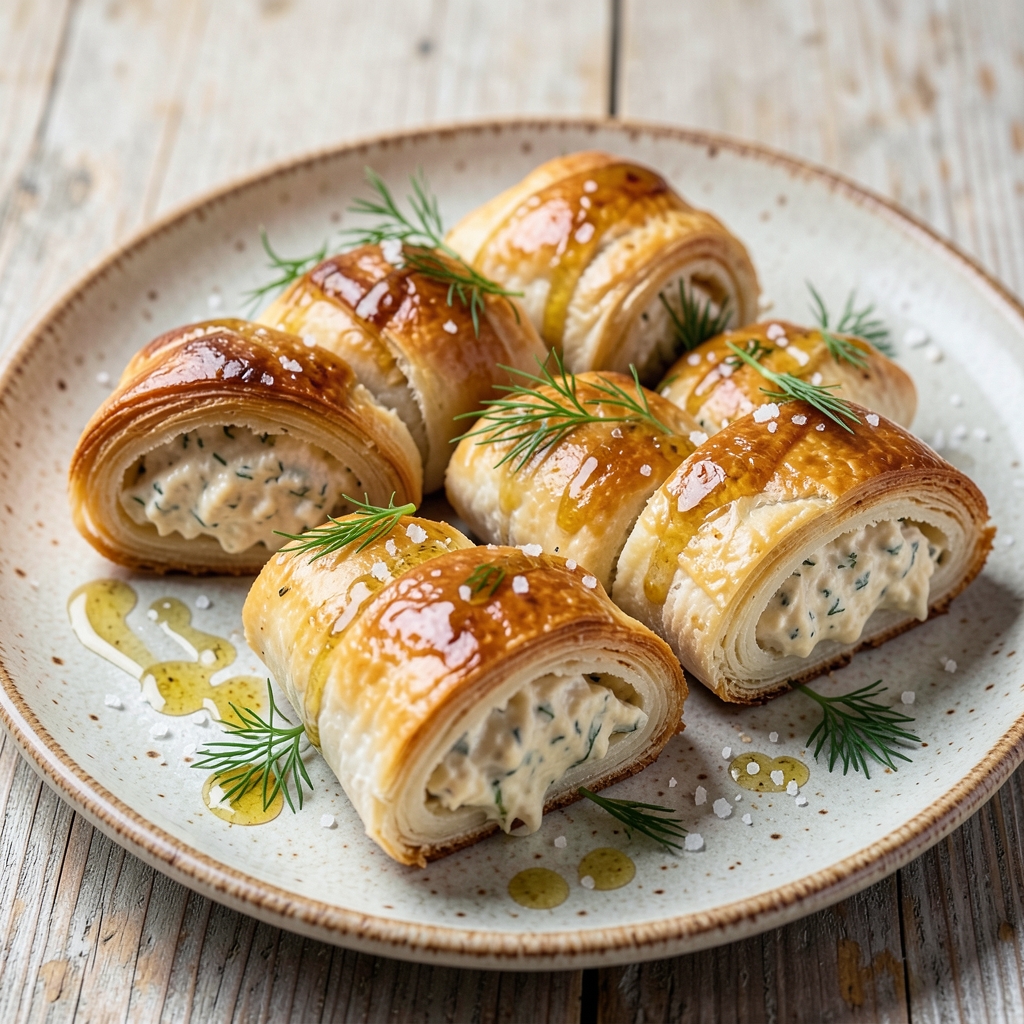
This baked sambousek recipe delivers the perfect balance of flaky pastry and spiced meat filling that tastes like a taste of Eastern Europe. 🌟 I first mastered these delicate pastries while helping Nonna roll dough in our cramped Boston kitchen, where every fold mattered.
The secret lies in patient dough handling and precise filling techniques that keep everything intact during baking.
What makes this recipe special is the combination of a simple yet sturdy dough and versatile fillings—traditional spiced meat, creamy potato, or sharp cheddar all work beautifully.
The dough gets its signature flakiness from proper layering and a touch of cold butter, while the filling stays compact enough to hold its shape as it bakes to golden perfection.
By the time these pastries emerge from the oven, you’ll have crisp golden edges and tender, pillowy layers surrounding flavorful filling. The aroma alone will have everyone gathering around the table. These sambousek are perfect for holiday gatherings or weeknight suppers when you crave something special without the fuss.
Whether you stick with the classic meat filling or try a vegetarian version, the technique remains the same—simple but precise. Let’s get started on making these delicious pastries that bring comfort and tradition to your kitchen.
Ingredients for baked sambousek
Flaky dough and spiced meat filling—just these essentials for golden sambousek perfection.
| Ingredient | Amount | Notes |
|---|---|---|
| All-Purpose Flour 🌾 | 3 cups | Sifted for flaky texture |
| Unsalted Butter 🧈 | ¾ cup | Cold, cubed for layering |
| Large Eggs 🥚 | 1 whole | Cold for easier handling |
| Ice Water 💧 | ¼ cup | Chilled for dough control |
| Salt 🧂 | ½ tsp | Fine sea salt preferred |
| Ground Black Pepper 🌶️ | ¼ tsp | Freshly cracked preferred |
| Ground Cumin 🌿 | 1 tsp | Toasted for deeper flavor |
| Paprika 🌶️ | 1 tsp | Smoked variety recommended |
| Ground Pork 🥩 | ¾ lb | Lean but not too dry |
| Yellow Onion 🧅 | ½ cup | Finely diced, small pieces |
| Garlic Cloves 🧄 | 2 cloves | Minced for filling |
| Fresh Parsley 🌿 | ¼ cup | Chopped, for freshness |
| Egg Yolk 🥚 | 1 whole | For binding filling |
| Breadcrumbs 🍞 | ¼ cup | Plain, for texture |
The butter is non-negotiable here. European-style unsalted butter (like Plugrá) gives the best flakiness—don’t use margarine or low-fat. I always buy it in 1-pound blocks from Whole Foods or Trader Joe’s because it stays fresh longer. For the flour, King Arthur or Gold Medal are my go-tos—they handle the cold butter better than store-brand options. The key is keeping everything cold until the last moment. The ground pork should be the kind with visible fat marbling—butcher shops often have better quality than pre-packaged. If you can’t find it, Trader Joe’s has a great frozen option that works perfectly.
No fresh parsley? Dried parsley at half the amount works in a pinch, but fresh is worth it. Running short on breadcrumbs? Crushed saltines or panko both work—just toast them lightly first. The filling gets its depth from the spices, so if you’re missing cumin, a pinch of coriander can help. For the onion, yellow or white both work, but avoid red—the color can bleed into the dough. The egg yolk is crucial for binding, but if you’re making vegetarian sambousek, a tablespoon of olive oil works as a substitute. The dough should be cold enough to hold its shape when you roll it—if it’s too sticky, chill it another 10 minutes.
These keep beautifully for 3 days in an airtight container at room temperature, though they’re best fresh out of the oven. For longer storage, freeze them unbaked on a tray first, then transfer to a bag. Reheat from frozen at 350°F for 15-20 minutes. I always make a double batch—half go in the freezer for lazy weeknights. The aroma when they come out of the oven? That’s when everyone knows dinner’s ready. Trust me, the extra 10 minutes of chilling the dough is worth it for that perfect flaky layer.
Why You’ll Love This Recipe
- No-Knead Magic: I swear by that cold butter trick—just rub it into flour until it looks like wet sand, then add ice water. No mixer, no fuss, and the dough comes together faster than I can say “sambousek.”
- Crispy-Gold Promise: That flaky, buttery crust? It’s all in the egg wash—just brush the tops before baking, and you’ll get that golden, almost crackly finish. Honestly, it’s the kind of texture that makes you pause mid-bite.
- Party in a Pan: Between us, these are my go-to for game day, potlucks, or when my mom-in-law drops by unannounced. Bake a sheet, slice into squares, and suddenly you’re the hero of the spread—no stress, just satisfaction.
- Budget-Friendly Staples: Flour, butter, eggs? Ingredients I already have. No specialty items, no last-minute grocery runs. And leftovers? They reheat like a dream—crispy edges, soft centers, every time. My wallet and my freezer thank me.
Step-by-step instructions for baked sambousek
Here’s how to create pillowy, golden sambousek with layers that flake apart at the slightest touch.
👨🍳 Step 1: Make the Flaky Pastry Dough
In a large bowl, whisk together the 3 cups all-purpose flour and 0.5 tsp salt. Cut in the 0.75 cup cold cubed unsalted butter using a pastry cutter or your fingers until the mixture resembles coarse crumbs with pea-sized butter pieces. This cold butter creates those signature flaky layers.
Add the 1 whole cold large eggs and mix gently with a fork until the dough just comes together. Then gradually add the 0.25 cup ice water, 1 tablespoon at a time, mixing only until incorporated. The dough should be cool to the touch and slightly tacky but not sticky. Shape into a disk, wrap in plastic, and chill for 30 minutes in the refrigerator.
🍳 Step 2: Prepare the Spiced Meat Filling
In a skillet over medium heat, cook the 0.75 lb ground pork until browned, breaking it apart with a spoon. Drain any excess fat, then add the 0.5 cup finely diced yellow onion and cook for 3 minutes until softened. Stir in the 2 minced garlic cloves and cook for 30 seconds until fragrant.
Remove from heat and transfer to a bowl. Add 1 tsp ground cumin, 1 tsp paprika, 0.25 tsp ground black pepper, 0.25 cup chopped fresh parsley, 1 whole egg yolk, and 0.25 cup breadcrumbs. Mix thoroughly until well combined. The filling should be moist but not wet—if it’s too dry, add 1 teaspoon of ice water.
🥘 Step 3: Assemble and Shape the Sambousek
Roll out the chilled dough on a lightly floured surface to about 1/8-inch thickness. Using a 2-inch round cutter, cut circles for the pastry shells. Place 1 tablespoon of the meat filling in the center of each circle, then fold the dough over to form half-moons, sealing the edges with a fork or by pinching.
Arrange the shaped sambousek on a parchment-lined baking sheet, leaving 1 inch between each. Brush the tops lightly with ice water to help them brown beautifully in the oven. Cover loosely with a clean kitchen towel and let rest for 15 minutes while you preheat the oven to 375°F.
🔥 Step 4: Bake to Golden Perfection
Bake the sambousek for 20-25 minutes until they’re deep golden brown and puffed. They should be crisp on the outside with a tender, flaky interior. If they brown too quickly, tent with foil to prevent over-browning while they finish cooking.
For the last 2 minutes of baking, increase the oven temperature to 400°F to create that irresistible crispy crust. Remove from the oven and let cool on a wire rack for 5 minutes before serving. The sambousek will continue to steam slightly, making them even more tender.
Pro Tips For Making Baked Sambousek
- Chill the Dough: Roll out your dough between two sheets of parchment paper and refrigerate it for 20 minutes before cutting. I learned this the hard way—skipping it makes the dough stick to your hands and the sambousek edges turn gummy instead of crisp. Cold dough also resists shrinking when baking.
- Cube the Butter: Cut your unsalted butter into small, even cubes (about ½-inch) and freeze them for 10 minutes before rolling them into the dough. This keeps the layers distinct and flaky—no more greasy, soggy pockets. (Yes, even if you’re impatient like me.)
- Seal the Edges: Pinch the sambousek edges tightly with your fingers or a fork before baking, but don’t overdo it—they’ll puff up. I used to leave them loose, and the filling would leak out like a sad, half-hearted dumpling. A little pressure makes all the difference.
- Bake in Batches: Don’t overcrowd the tray—leave at least 1 inch between each sambousek. I skipped this once and ended up with underbaked centers and overcooked edges. If you’re short on space, bake the first batch, then slide the tray back in after 10 minutes to make room. (Your future self will thank you.)
Pro cooking tips for this recipe
Dough Layering Secrets
The key to that signature flaky texture lies in proper butter distribution. Cut the 0.75 cup cold butter into the flour using a pastry cutter (or your fingers) until you see pea-sized pieces no larger than a dime.
I swear by the Norpro Pastry Cutter—it’s worth the investment for this step alone. If you don’t have one, use two knives to cut the butter into the flour in an “X” motion.
The goal is to create as many thin layers as possible, which will melt and create steam pockets during baking. 🌟
Filling Moisture Control
Too much moisture in the filling can make your sambousek soggy, while too little makes them dry. The perfect balance is achieved by mixing the cooked pork with 1 egg yolk and 0.25 cup breadcrumbs—the yolk binds everything together while the breadcrumbs absorb excess liquid.
If your filling feels too wet, add 1 extra teaspoon of breadcrumbs before shaping. I’ve learned this the hard way—once, I skipped the breadcrumbs, and my sambousek turned out like sad, dense dumplings.
Shaping Like a Pro
Use a 2-inch round cutter for consistent shapes, but don’t press down too hard—you want the dough to be slightly thicker in the center where the filling goes. When folding, press the edges firmly with a fork to seal them completely. This prevents filling from leaking out during baking.
I like to make a little pleat at the top for extra security. Pro tip: If your dough cracks while rolling, just patch it up—no one will notice the imperfections once they’re baked. 💪
Baking Temperature Tricks
Start baking at 375°F to ensure even cooking, but for that irresistible crispy crust, bump it up to 400°F for the last 2 minutes. This final boost caramelizes the sugars in the dough, giving you that golden-brown finish.
If your sambousek brown too quickly, tent them with foil to prevent burning while they finish cooking. I’ve also found that baking them on the middle rack ensures even heat distribution—no more burnt bottoms or pale tops.
Resting Before Serving
Never skip the 5-minute rest after baking! This allows the steam inside to redistribute, making the layers even flakier. I’ve seen home cooks rush this step, and the sambousek end up with a tough exterior.
Trust me, those extra minutes pay off. Serve them warm, and watch as everyone reaches for seconds. The aroma alone will have your guests thinking you’ve been baking all day. 🍽️
Nutrition facts
Frequently asked questions
Can I make sambousek without a pastry cutter?
Use two knives to cut the cold butter into the flour in an “X” motion, or work it in with your fingers until you see pea-sized pieces. The key is keeping everything cold to prevent melting. I’ve made sambousek in cramped Boston kitchens with just my fingers and a fork—works perfectly!
What’s the best way to store leftover sambousek?
Keep them in an airtight container at room temperature for up to 3 days, or freeze unbaked sambousek on a tray first, then transfer to a bag. Reheat frozen ones at 350°F for 15-20 minutes until golden. They’re even better the second day!
Can I make vegetarian sambousek?
Yes! Replace the meat with a filling of mashed potatoes, sautéed mushrooms, or sharp cheddar cheese mixed with herbs. Just add 1 tablespoon olive oil instead of the egg yolk to bind the filling. The same shaping and baking technique works perfectly.
Why did my sambousek turn out dense instead of flaky?
Dense sambousek usually means the butter melted too soon during mixing. Keep everything ice cold, including your work surface, and handle the dough as little as possible. Also, don’t overwork the dough—just mix until it comes together. The 30-minute chill is crucial too!

- Teriyaki Dry Rub Recipe: Umami-Packed Flavor Without the Mess - November 9, 2026
- Calamari in Tomato Sauce Recipe: Crispy Squid with Bright, Acid-Balanced Flavors - November 9, 2026
- Restaurant Style Home Fries Recipe: Crispy Potato Wedges With Herb-Infused Oil - November 9, 2026