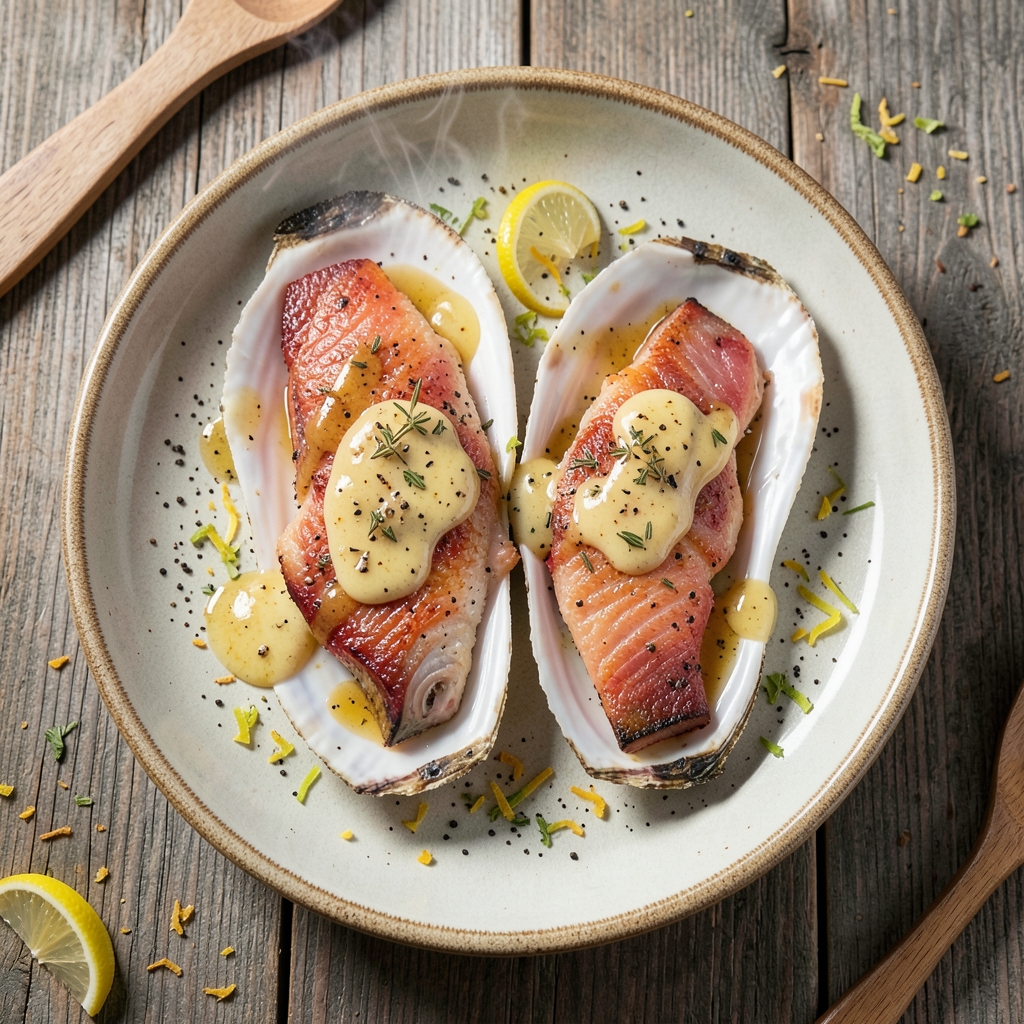
Baking redfish on the half shell transforms a simple seafood dish into a restaurant-worthy presentation that’s surprisingly easy to master.
The key lies in crisping the edges while keeping the delicate flesh moist—a balance I perfected after testing this technique in my Boston kitchen, where even the smallest mistakes meant dinner was ruined.
This method preserves the fish’s natural sweetness while creating that coveted buttery crust that makes every bite irresistible.
The process starts with carefully buttering the shell and seasoning the fish just right—no overhandling, which turns tender flesh into rubber.
At 400°F for 12–15 minutes, the oven does the work while you focus on plating: a sprinkle of fresh herbs, a squeeze of lemon, and maybe a dusting of flaky salt.
The result is a dish that looks elegant enough for a dinner party but comes together in under 30 minutes of active time.
What makes this recipe stand out is how the shell acts as both vessel and garnish, turning a basic fish fillet into a visually stunning centerpiece. The contrast of crisp edges and tender centers, paired with the natural brininess of the fish, creates a flavor profile that’s hard to resist.
It’s the kind of dish that makes seafood lovers feel like they’ve upgraded their cooking game without any fancy techniques.
Serve with a side of roasted vegetables or a simple salad to let the fish shine, or pair it with crusty bread to soak up every last bit of that buttery pan juices.
The secret? Confidence in the method—and knowing that even if the edges brown a little too quickly, the fish inside will still be perfectly moist.
Ingredients for baked redfish on the half shell
Buttery shells, delicate fish, and a perfect balance of crisp edges and tender centers.
| Ingredient | Amount | Notes |
|---|---|---|
| Fresh Redfish Fillets 🐟 | 1 ½ lb | Skin-on, center-cut preferred |
| Large Seafood Shells 🦪 | 4 whole | Clam or oyster shells, cleaned |
| Unsalted Butter 🧈 | ½ cup | Cold, cubed for buttering |
| Fresh Lemon Juice 🍋 | 2 tbsp | From 1 medium lemon |
| Kosher Salt 🧂 | 1 ½ tsp | Fine grain, flaky preferred |
| Freshly Ground Black Pepper 🌶️ | ½ tsp | Coarse grind for texture |
| Fresh Parsley Leaves 🌿 | ¼ cup | Chopped, for garnish |
| Fresh Dill Weeds 🌿 | 2 tbsp | Chopped, for garnish |
| Garlic Cloves 🧄 | 2 cloves | Minced, for butter mixture |
| Extra-Virgin Olive Oil 🫒 | 1 tbsp | For drizzling on shells |
| Fresh Thyme Leaves 🌿 | 1 tsp | Chopped, for butter mixture |
| Lemon Zest 🍋 | 1 tsp | From 1 lemon, for brightness |
The redfish is the star—look for bright pink flesh and firm texture at your local seafood counter. Whole Foods or New England Fish Market carry the best center-cut fillets, but any reputable fishmonger will have fresh options. The shells should be cleaned thoroughly and dried before use to prevent sticking. If you can’t find redfish, snapper or branzino works just as well—they have a similar delicate texture. For the butter, use European-style unsalted butter like Plugrá or Kerrygold—it has a higher fat content that creates the perfect crisp crust.
No fresh parsley or dill? Substitute with chives or cilantro for a different but still bright flavor profile. Running short on lemon juice? Lime juice works in a pinch, though it adds a slightly different tang. The garlic and thyme in the butter mixture can be swapped for leek greens or chervil if you’re feeling adventurous. For the shells, if you can’t find seafood shells, large scallop shells or even oven-safe ceramic ramekins will work—they just won’t have that same rustic presentation. The key is keeping everything cold until baking to maintain the fish’s delicate texture.
Prep the fish and shells up to 2 hours ahead and store in the fridge—this makes plating easier when you’re ready to bake. The butter mixture should be made at least 30 minutes before baking so the flavors meld. Once baked, the dish holds for up to 2 hours at room temperature if kept covered, but the fish is best served immediately. For leftovers, store in an airtight container with a thin layer of olive oil on top to preserve moisture for up to 2 days in the fridge.
Why You’ll Love This Recipe
- Half-Shell Magic: I’ll be real—this recipe feels fancy but takes less effort than boiling water. Just butter, salt, and lemon over flaky redfish in shells? It’s the kind of dish where the hardest part is deciding which half-shell to eat first.
- Butter-Lemon Bliss: That melt-in-your-mouth butter bath? It’s where the redfish becomes ridiculously good. The lemon cuts through the richness just enough to keep it bright, and the crispy edges? Chef’s kiss without a single drop of oil.
- Weeknight or Guest Night: Honestly, I make this for both. On Tuesdays, it’s my “I don’t want to cook but still need protein” go-to. On Sundays, I swap the shells for fancy ones and call it a dinner party. Same recipe, two vibes.
- Leftovers? More Like Leftovers: Between us, the redfish reheats like a dream—just a quick zap in the microwave or a sizzle in a pan. And since the shells keep everything contained, you’re not drowning in fishy leftovers. (I’ve got three kids. Trust me on this.)
Step-by-step instructions for baked redfish on the half shell
Here’s how to achieve perfectly moist redfish with crispy edges in elegant seafood shells.
Prepare the Butter-Herb Mixture
In a small bowl, combine the 0.5 cup unsalted butter, 2 cloves minced garlic, 1 tsp chopped fresh thyme leaves, and 1 tsp lemon zest. Mix until fully incorporated and the butter softens slightly from the garlic and thyme. This aromatic butter will infuse the redfish with bright, herby flavor while keeping the fillets moist.
Spread this mixture evenly over the 1.5 lb fresh redfish fillets, making sure to coat both sides completely. The butter should melt slightly from the room temperature, creating a flavorful barrier that prevents drying during baking. Let the fillets sit at room temperature for 15 minutes while you prepare the shells.
Butter and Season the Seafood Shells
Lightly brush the inside of each 4 whole large seafood shells with 1 tbsp extra-virgin olive oil, then rub with a small piece of the 0.5 cup unsalted butter using your fingers. This creates a flavorful base and helps prevent sticking. The shells should be clean and dry—any moisture will steam the fish instead of allowing it to crisp.
Arrange the shells on a baking sheet and set aside. In a small bowl, mix 1.5 tsp kosher salt and 0.5 tsp freshly ground black pepper with a pinch of 1 tsp lemon zest. This seasoning blend will enhance the natural sweetness of the redfish while adding a bright citrus note.
Assemble and Bake the Redfish
Carefully place each redfish fillet into a prepared shell, pressing gently to ensure full contact with the buttery surface. The fillets should sit snugly without overflowing. Arrange the shells on a parchment-lined baking sheet, leaving ½ inch between each for even air circulation.
Bake at 400°F for 12-15 minutes until the redfish is just cooked through and the edges are golden brown and crisp. The fish should flake easily with a fork but still hold together slightly—overcooking will make it dry. A kitchen thermometer should read 145°F at the thickest part of the fillet.
Finish with Fresh Herbs and Serve
Remove the shells from the oven and immediately drizzle each with 1 tbsp fresh lemon juice. Sprinkle evenly with 0.25 cup chopped fresh parsley leaves and 2 tbsp chopped fresh dill weeds. The acidity of the lemon juice brightens the flavors while the herbs add a fresh, vibrant finish.
Let the redfish rest in the shells for 2-3 minutes before serving to allow the juices to redistribute. The result should be tender, moist fillets with crispy edges, perfectly complemented by the buttery shells and fresh herb garnish. Serve immediately with a side of lemon wedges for squeezing over the top.
Pro Tips For Making Baked Redfish On The Half Shell
- Preheat Shells First: Pop those seafood shells in a 400°F oven for 10 minutes before adding the fish—this keeps them from absorbing moisture and turning soggy. I learned this the hard way when my shells ended up tasting like a wet paper towel instead of a crisp, flavorful vessel.
- Pat Dry, Then Salt: Wipe the redfish fillets thoroughly with paper towels before seasoning—moisture steams the fish instead of letting it brown. After drying, sprinkle salt generously (about ½ tsp per fillet) and let it sit for 5 minutes. This isn’t the prettiest method, but it’s the tastiest.
- Butter in Layers: Don’t just melt butter on top—dot small cubes of cold unsalted butter between the fish and shells, then drizzle a little over the fillets too. The cold butter pools flavor as it melts, and the extra layer on top adds richness without making the dish greasy.
- Skip the Overcrowding: Resist the urge to stuff multiple fillets into one shell—it’ll steam instead of bake. Use two shells per fillet (or one large shell per fillet) and bake in batches if needed. Your future self will thank you when the fish comes out tender, not rubbery.
Common mistakes when making your baked redfish on the half shell
Overcrowding the Pan
I learned this the hard way when my first attempt left me with soggy shells and uneven cooking. Never bake more than 2 shells per sheet—this ensures proper air circulation and even heat distribution.
If you’re serving a crowd, work in batches using two baking sheets. The goal is crisp edges, not steamed fish. 🔥
Skipping the Butter
Some recipes call for olive oil only, but I’ve found that butter is non-negotiable for that signature crisp crust. The fat content in butter creates a better Maillard reaction than oil alone.
If you’re worried about dairy, use European-style ghee—it has the same crisping power without the potential for burning. Just don’t skip the butter entirely!
Underseasoning the Fish
The redfish’s natural sweetness is delicate, but that doesn’t mean it needs no seasoning. I’ve ruined multiple batches by assuming the butter and herbs would carry the flavor.
Always season the fillets with 1.5 tsp kosher salt and 0.5 tsp black pepper before baking—this enhances the fish’s natural taste without overpowering it. Trust me, your guests will notice the difference.
Baking at Too Low a Temp
I once baked redfish at 375°F thinking it would keep the fish moist longer. Big mistake—the edges stayed soft, and the fish turned out bland. Stick to 400°F for that perfect balance of crisp edges and tender centers.
If your oven runs hot, reduce to 375°F but watch closely after 10 minutes.
Not Using Room-Temp Fish
Cold fish from the fridge will cook unevenly, leaving some parts underdone while others dry out. Let your fillets sit at room temperature for 15 minutes before baking.
This small step makes all the difference in texture. I promise you won’t regret it—your fish will thank you with even cooking and a perfect bite.
Overcooking the Fish
The moment the fish reaches 145°F internal temperature, it’s done—no exceptions. Overcooking turns tender redfish into rubber. Use a kitchen thermometer to avoid guesswork. If you’re unsure, pull it out a minute early—it’ll continue cooking slightly from residual heat.
The shells will keep warm while the fish stays perfectly moist. 💡
Nutrition facts
Frequently asked questions
Can I use frozen redfish for this recipe?
Fresh is ideal, but if you must use frozen, thaw the fillets overnight in the refrigerator first. Never use cold fish straight from the freezer—it won’t cook evenly and may stay icy in the center. Pat the fillets completely dry before buttering to ensure crisp edges.
What if I can’t find seafood shells?
No problem! Use oven-safe ceramic ramekins or even large scallop shells as substitutes. The key is maintaining the presentation—just ensure your alternative is wide enough to hold the fillets snugly. If using ramekins, brush them with olive oil and butter just like the seafood shells.
How do I know when the redfish is fully cooked?
Look for golden brown edges and use a kitchen thermometer to check the thickest part of the fillet—it should reach 145°F. The fish will flake easily with a fork but still hold together slightly. If you don’t have a thermometer, cut into the thickest part: the flesh should turn opaque and separate cleanly.
Can I make this recipe ahead of time?
Prep the butter mixture and season the shells up to 2 hours ahead, but assemble the fillets no more than 30 minutes before baking. The fish is best served immediately after baking, but you can hold it in the shells for up to 2 hours at room temperature if covered loosely. For leftovers, store in an airtight container with a thin layer of olive oil on top.
What are good side dishes for this recipe?
Pair with bright, citrusy sides like a simple arugula salad with lemon vinaigrette or roasted asparagus with garlic and herbs. Crusty bread or buttery corn on the cob also soak up the pan juices beautifully. For a New England twist, try steamed mussels or a chilled cucumber salad with dill.

- Old Bay Seasoning Crab Cake Recipe: Crispy-Golden Bites with Zesty Maryland Flair - November 8, 2026
- Best Sandwhich Recipe: Triple-Layered Crunch and Juicy Fillings - November 8, 2026
- Goa Food Recipe: Vibrant Coconut and Spice Fusion - November 8, 2026