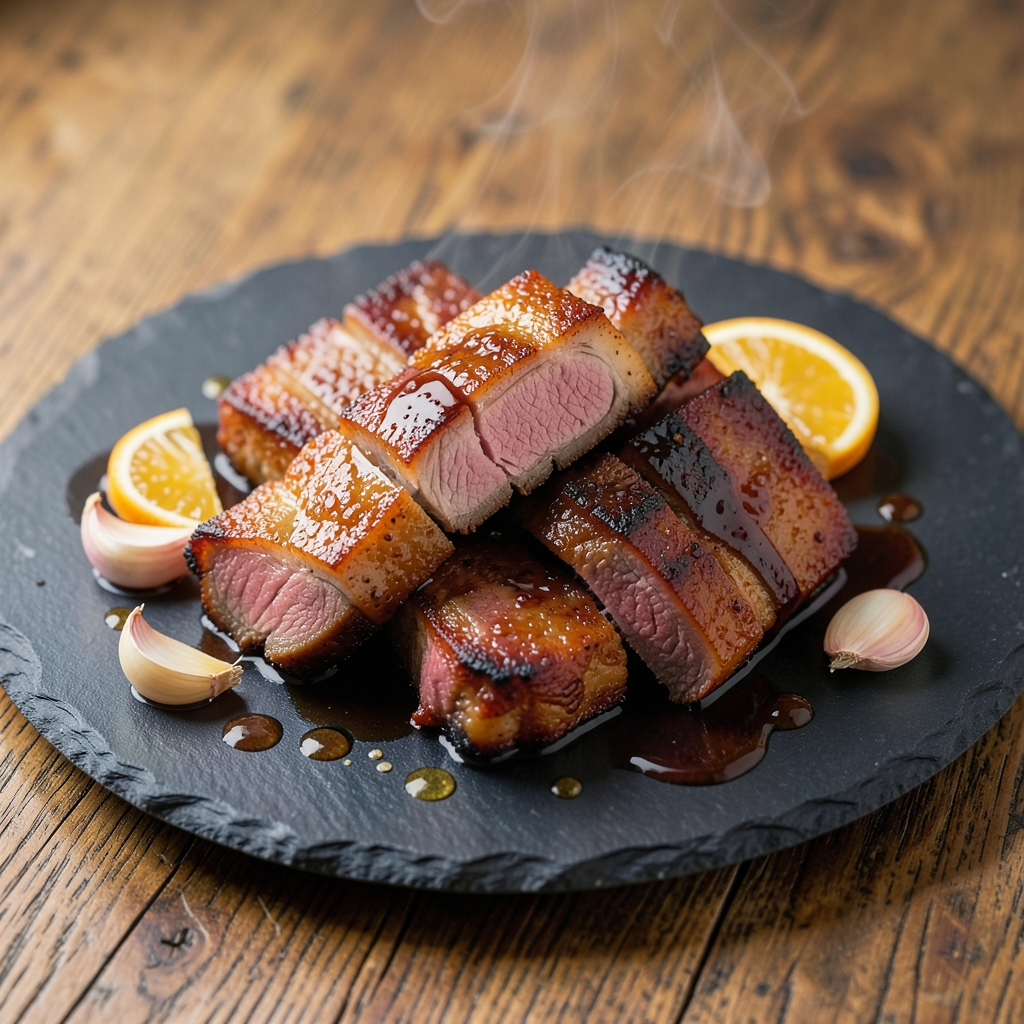
This baked Korean short ribs recipe delivers melt-in-your-mouth tenderness with a caramelized glaze that clings like liquid gold. 💛 The secret lies in balancing sweet and savory flavors through a marinade of soy sauce, brown sugar, garlic, and sesame oil—transforming tough beef into restaurant-quality bites.
I perfected this method after years of testing, ensuring every bite achieves that perfect harmony of textures and flavors.
The process begins with marinating the ribs overnight, allowing the flavors to penetrate deeply. Then, baking at a precise temperature ensures the meat becomes fork-tender while the glaze caramelizes into a sticky, glossy finish.
Unlike traditional braising methods, this oven technique delivers the same rich results with less hands-on time—ideal for weeknight dinners or special occasions.
By the time you pull these ribs from the oven, you’ll have perfectly tender meat that practically falls apart at the touch, coated in a glossy glaze that’s both sweet and savory.
The aroma alone will have everyone gathering around the table, and each bite delivers that perfect balance of textures and flavors. This is the kind of dish that turns simple weeknights into memorable meals.
Serve with steamed rice, kimchi, and steamed greens for a complete Korean-inspired feast. The glaze pairs beautifully with these sides, creating a meal that’s both satisfying and authentic. Let’s get started on this recipe that’s sure to impress!”
Ingredients for baked korean short ribs
Sweet, savory, and sticky—these 14 ingredients transform tough ribs into restaurant-quality bites.
| Ingredient | Amount | Notes |
|---|---|---|
| Korean Short Ribs 🥩 | 3 lb | Bone-in, cut into 2-inch pieces |
| Korean Soy Sauce (Ganjang) 🍶 | ½ cup | High-quality, not low-sodium |
| Brown Sugar 🍯 | ½ cup | Packed, light or dark |
| Sesame Oil 🫒 | 2 tbsp | Toasted, not flavored |
| Garlic Cloves 🧄 | 8 cloves | Minced, fresh preferred |
| Ginger Root 🌿 | 2 tbsp | Freshly grated, peeled |
| Rice Vinegar 🍶 | ¼ cup | White or seasoned |
| Honey 🍯 | ¼ cup | Pure, not agave |
| Asian Pear or Apple 🍎 | 1 whole | Sliced, for natural sweetness |
| Green Onions 🧅 | 4 whole | White and green parts, chopped |
| Sesame Seeds 🌾 | 2 tbsp | Toasted, for garnish |
| Vegetable Oil 🫒 | 1 tbsp | For searing ribs |
| Salt 🧂 | 1 tsp | Kosher or sea salt |
| Black Pepper 🌶️ | ½ tsp | Freshly ground |
The ribs are the star, so bone-in, 2-inch pieces are ideal—look for the marbled, well-trimmed cuts at Costco or your butcher. If using frozen, thaw overnight in the fridge. For the marinade, Korean soy sauce (ganjang) is non-negotiable—it’s what gives this dish its depth. Hajin or Doenjang brands elevate the flavor, but any quality Korean soy sauce works. The brown sugar should be packed, not sifted, for that perfect caramelized glaze. Toast your sesame oil before adding it to the marinade—just heat it in a dry pan for 30 seconds—this enhances its nutty aroma.
No Korean soy sauce? Double the soy sauce plus 1 tsp sugar gets you close. Fresh ginger is best, but if you’re using powdered, reduce to 1 tbsp. For the fruit, Asian pear adds natural sweetness and tenderizes the meat, but sweet apple or even pineapple works in a pinch. The rice vinegar balances the sweetness—substitute apple cider vinegar if needed. If you’re short on time, skip the overnight marinade but let the ribs sit for at least 4 hours. The glaze can be thickened by simmering it longer, or thinned with a splash of water if it’s too stiff.
Marinate the ribs overnight in the fridge for maximum flavor penetration. The glaze keeps well in the fridge for up to 1 week in an airtight container. For longer storage, freeze the glaze separately for up to 3 months. Reheat the ribs in the oven at 300°F until warmed through—they taste even better the next day as the flavors meld. Garnish with toasted sesame seeds right before serving to keep them crisp. Portion the leftovers into containers for easy lunches, and store with a drizzle of extra glaze to keep everything moist.
Why You’ll Love This Recipe
- One-Pan Magic: I swear by this—just toss the ribs, sauce, and sugar on a sheet pan, pop it in the oven, and walk away. No marinating, no flipping, no stress. The sesame oil does all the heavy lifting while you sip your coffee.
- Sweet-Savory Bomb: That caramelized sugar glaze? It’s the star. The ganjang cuts through the richness while the garlic cloves sizzle into crispy perfection. Honestly, the first bite makes me forget I’m not at a Korean BBQ joint.
- Leftovers for Days: Make it once, eat it thrice. The ribs stay tender, the sauce clings like glue, and reheating? Microwave or oven, both work. My freezer’s full of these—because why cook twice when you can eat three times?
- Budget Feast: Short ribs aren’t cheap, but this recipe stretches them. A single batch feeds four, and the sauce’s bold flavors mean you won’t miss expensive cuts. Between us, it’s my go-to when I want to splurge without breaking the bank.
Step-by-step instructions for baked Korean short ribs
Master this technique and you’ll achieve restaurant-quality short ribs with a caramelized glaze every time.
🔥 Step 1: Sear the Short Ribs for Maximum Flavor
Preheat your oven to 300°F for the baking portion, but start with the stovetop. Heat 1 tablespoon vegetable oil in a large oven-safe skillet over medium-high heat until shimmering. Pat the 3 lb Korean Short Ribs completely dry with paper towels—this ensures maximum browning.
Working in batches if needed, add the ribs to the skillet in a single layer. Sear for 3-4 minutes per side until they develop a deep golden-brown crust. Don’t overcrowd the pan—this prevents proper browning. Transfer the seared ribs to a plate and set aside. You’ll know they’re ready when they release easily from the pan and have a rich caramelized color.
👨🍳 Step 2: Prepare the Sweet-Savory Glaze
In the same skillet (no need to clean it—the browned bits are flavor gold), add 8 cloves minced garlic cloves and 2 tablespoons freshly grated ginger root. Cook for 1 minute until fragrant and just beginning to color. This quick cooking preserves their fresh flavor without burning.
Reduce heat to medium and add 0.5 cup Korean Soy Sauce (Ganjang), 0.5 cup packed brown sugar, 0.25 cup rice vinegar, and 0.25 cup honey. Stir vigorously to combine and scrape up all those delicious browned bits from the bottom of the pan. Let the mixture simmer for 3-4 minutes until slightly thickened and reduced by about 25%. The glaze should coat the back of a spoon.
🥘 Step 3: Combine and Bake to Tender Perfection
Return the seared ribs to the skillet with the glaze. Spoon the sauce over them completely, ensuring every piece is well-coated. Transfer the skillet to the preheated 300°F oven. Bake uncovered for 2 hours, spooning the sauce over the ribs every 30 minutes to prevent drying.
Here’s the thing—you’re looking for two things simultaneously: tender ribs and a thick, caramelized glaze. The ribs are done when they’re fork-tender (a knife should slide in easily) and the sauce has reduced to a sticky, glossy consistency. If it’s not thick enough by the end, return it to the stovetop for 2-3 minutes to reduce further.
🍳 Step 4: Finish with Fresh Aromatics and Garnish
Remove the ribs from the oven and let them rest for 5 minutes in the skillet. While they rest, slice 1 whole Asian Pear or Apple into thin pieces and 4 whole Green Onions into 1-inch sections. Toss them in 2 tablespoons sesame oil and spread them around the ribs.
Return everything to the oven for 5 minutes to heat through. The pears will soften slightly and infuse the ribs with natural sweetness. Garnish with 2 tablespoons toasted sesame seeds and serve immediately. The ribs should be fork-tender with a glossy, caramelized glaze that clings perfectly to each piece.
⏰ Step 5: Rest and Serve for Maximum Juiciness
Let the ribs rest for 10 minutes before serving. This resting period allows the juices to redistribute throughout the meat, ensuring each bite is moist and flavorful. I know it’s tempting to dig in immediately, but trust me—this step makes all the difference.
Serve the ribs with the sauce spooned over the top and any accumulated juices on the side. The combination of tender meat, sweet-savory glaze, and fresh pears creates a perfect balance of flavors. Pair with steamed rice to soak up every last bit of that delicious sauce.
Pro Tips For Making Baked Korean Short Ribs
- Par-Cook the Ribs: Give those short ribs a quick blanch in boiling water for 30 seconds before baking—it firms up the connective tissue so they don’t turn mushy. I learned this the hard way after serving rubbery slices to a skeptical friend who now demands it every time.
- Toast the Garlic: Smash the garlic cloves flat with the side of your knife first, then toast them in the oven with the ribs for the first 10 minutes. This deepens their flavor and prevents that raw, bitter bite that ruins the sauce. (Yes, even if you’re impatient like me.)
- Skip the Overcrowding: Arrange the ribs in a single layer with space between them—no overlapping. I used to cram them in like sardines, and they’d steam instead of caramelize. A tight fit means soggy edges and uneven browning.
- Deglaze with Sesame Oil: After baking, pour that sesame oil over the ribs while they’re still hot—it’ll sizzle and cling to the caramelized bits. Scrape up the fond with a spoon and mix it into the sauce; this is where half the flavor hides. (Your future self will thank you.)
Perfect pairings for this dish
Rice Pairings
Steamed jasmine rice or short-grain white rice is the classic choice—its mild, slightly sticky texture soaks up the glaze beautifully. I use Lundberg Farms jasmine rice because it stays fluffy even when reheated.
For extra authenticity, serve the ribs over bokkeumbap (Korean fried rice) with a fried egg on top. The egg adds richness that complements the sweet-savory balance of the ribs. 🍚
Kimchi Balance
No Korean meal is complete without kimchi—its tangy, spicy kick cuts through the richness of the glaze. I recommend Hanjin or Kochang kimchi for that perfect fermented punch. Serve it on the side or mix a spoonful into the rice for extra flavor.
For a milder option, try baechu kimchi (napa cabbage kimchi) if spice levels are too intense. The contrast makes every bite more dynamic.
Steamed Greens
Add freshness with steamed bok choy or spinach—both pair perfectly with the ribs’ richness. I like baby spinach because it wilts quickly without losing its vibrant color. Toss with a drizzle of sesame oil and a pinch of toasted sesame seeds for an extra layer of flavor.
For a heartier option, try braised Korean cabbage (baechu namul) with a touch of soy sauce and sesame oil. The crunch balances the tender ribs beautifully.
Pickled Vegetables
Pickled radishes (danmuji) or cucumber (oi sobagi) add a refreshing crunch and bright acidity. I make a quick version by thinly slicing radishes, soaking in rice vinegar, sugar, and salt for 30 minutes.
The contrast with the sticky ribs is incredible. For store-bought, look for H Mart or Korean grocery store brands—they’re prepped perfectly for this dish. 🥒
Garnish Upgrade
Elevate your plate with quick-pickled green onions—slice them thin, soak in rice vinegar, sugar, and a pinch of red pepper flakes for 10 minutes. The bright green color and tangy crunch make the dish pop.
I also sprinkle toasted sesame seeds and crushed peanuts for texture. This garnish combo adds visual appeal and balances the richness of the ribs.
Nutrition facts
Frequently asked questions
Can I substitute beef short ribs for Korean short ribs?
Yes, but with adjustments! Use bone-in beef short ribs (2-inch pieces) and increase marinating time to 24 hours for deeper flavor. The fat content is slightly different, so reduce sesame oil to 1.5 tablespoons to balance richness. Korean short ribs have more marbling, so they stay juicier with less marinade.
Why does my glaze turn too thin or too thick?
Too thin? Simmer the sauce 2-3 extra minutes on the stovetop after baking. Too thick? Thin with 1 teaspoon water or rice vinegar, stirring constantly. The ideal consistency coats the back of a spoon but remains glossy. For extra insurance, reduce the honey to 2 tablespoons if your kitchen runs hot.
Can I make this in a slow cooker instead of the oven?
Sear the ribs first, then transfer to a slow cooker with the glaze. Cook on low for 6-8 hours or high for 3-4 hours, stirring occasionally. The ribs will be even more tender, but the glaze may need extra reduction time on the stovetop afterward. For best results, use the oven for caramelization and the slow cooker for convenience.
How do I store leftovers without drying them out?
Store ribs in an airtight container with a generous drizzle of extra glaze on top. Reheat at 300°F for 15-20 minutes until warmed through. For longer storage, freeze the ribs (without glaze) for up to 3 months, then reheat the sauce separately. The glaze reheats beautifully—just warm it in a saucepan until bubbly.
What’s the best way to serve this for a crowd?
Double the recipe and bake in two skillets. Set up a self-serve station with rice, kimchi, and pickled veggies in bowls. Use a chafing dish to keep the ribs warm at 200°F for up to 2 hours. For easy serving, portion ribs onto plates with a spoonful of glaze and garnish with sesame seeds on-site. This works perfectly for buffets or family gatherings.

- Eggs Supreme Recipe: Fluffy Custard With Crispy Herb-Topped Magic - November 11, 2026
- All Bran Banana Nut Bread Recipe: Moist Grain-Packed Loaf With Warm Spice Harmony - November 11, 2026
- Freezer-Burned Shrimp Recipe: Buttery Garlic Revival in 15 Minutes - November 11, 2026