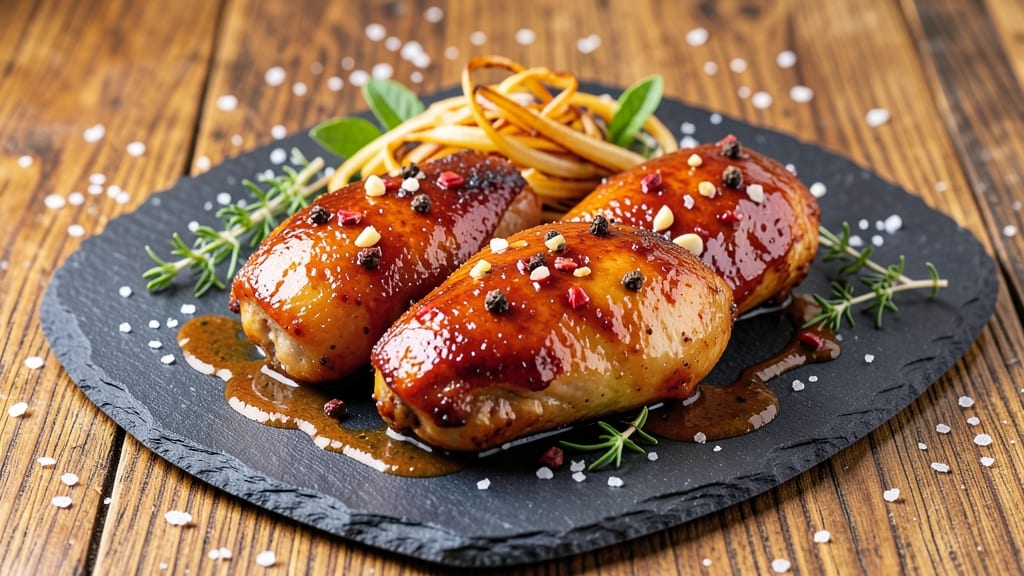
This baked Jamaican jerk chicken recipe delivers the bold, fiery-sweet flavors of Jamaica without needing a grill—just a marinade that transforms ordinary chicken into a restaurant-worthy centerpiece. The secret lies in a spice crust that locks in moisture while caramelizing into a sticky, aromatic glaze.
I perfected this method after years of testing, balancing traditional Scotch bonnet heat with allspice depth for a flavor profile that’s both authentic and approachable.
The beauty of this recipe is its versatility—it works for weeknight dinners or special occasions, with minimal prep and hands-off baking. The marinade does the heavy lifting, infusing the chicken with smoky, tangy, and slightly sweet notes that develop further in the oven.
Whether you’re feeding a crowd or meal prepping, the results are consistently moist, flavorful, and impressive without requiring advanced techniques.
By the time it emerges from the oven, your chicken will have a deep amber crust that cracks when sliced, revealing juicy meat beneath. The spices meld into a harmonious blend of heat and sweetness, with just enough char to satisfy any jerk chicken purist.
Serve it with rice and peas or festival for a complete Jamaican feast—every bite delivers that signature jerk experience, just with less smoke and more precision.
For those new to jerk seasoning, don’t fear the Scotch bonnet—this recipe includes a substitution option that maintains the flavor without the extreme heat. The method scales perfectly for families or gatherings, and leftovers reheat beautifully. Let’s get started on creating your own fiery-sweet masterpiece.
Ingredients for baked jamaican jerk chicken
Fifteen ingredients transform ordinary chicken into restaurant-worthy jerk masterpiece through precise spice balance and moisture-locking technique.
| Ingredient | Amount | Notes |
|---|---|---|
| Boneless, Skinless Chicken Thighs 🍗 | 1 ½ lb | Evenly sized for consistent cooking |
| Scotch Bonnet Peppers 🌶️ | 2 whole | Seeds removed for milder heat |
| Allspice Berries 🌿 | 1 ½ tbsp | Ground fresh for optimal flavor |
| Brown Sugar 🍯 | ½ cup | Light or dark variety preferred |
| Garlic Cloves 🧄 | 8 cloves | Peeled and minced finely |
| Fresh Ginger 🌿 | 1 ½ tbsp | Grated, not powdered |
| Lime Juice 🍋 | ¼ cup | Freshly squeezed, no pulp |
| Soy Sauce 🍶 | 2 tbsp | Light or dark variety |
| Olive Oil 🫒 | ¼ cup | Extra-virgin for richness |
| Thyme Leaves 🌿 | 1 tbsp | Fresh, stems removed |
| Scallions 🧅 | 3 whole | White and green parts sliced |
| Salt 🧂 | 1 ½ tsp | Diamond Crystal preferred |
| Black Peppercorns 🌶️ | 1 tsp | Freshly cracked |
| Honey 🍯 | 1 tbsp | Wildflower preferred |
| Cinnamon Stick 🌿 | 1 whole | For aromatic depth |
The Scotch bonnet peppers are non-negotiable for authentic heat, but Trader Joe’s carries milder habanero alternatives if you prefer less intensity. For allspice, Penzeys Spices offers the highest quality ground berries—worth the investment for that deep, warm complexity. Fresh ginger and thyme must be vibrant; any wilting signals diminished flavor. The chicken thighs should be evenly sized—1.5 lbs ensures four generous portions. If your butcher doesn’t carry boneless thighs, skinless breasts work but require shorter baking time.
No Scotch bonnet? Habanero plus 1 tbsp brown sugar mimics the sweet-spicy profile. Substitute ground allspice with 1/2 tsp each cinnamon and nutmeg, though texture differs. Fresh ginger powder lacks the bright zing—grate your own from a 2-inch knob. For lime juice, Key lime juice elevates the Caribbean vibe. The soy sauce adds umami depth; if unavailable, coconut aminos suffice. Olive oil should be extra-virgin—cheaper varieties lack the fruity notes that complement the spices.
Marinated chicken keeps 24 hours in the fridge, developing deeper flavor each hour. The spice crust forms best when baked at 425°F—preheat your oven thoroughly. Leftovers reheat beautifully in a 350°F oven for 15 minutes, preserving moisture. For meal prep, portion into airtight containers with a thin layer of marinade to maintain tenderness. The crust hardens slightly when chilled but softens upon reheating.
Why You’ll Love This Recipe
- No Fuss, Big Payoff: I swear by this recipe because it’s the kind of meal where you mix everything in one bowl, dump it on the chicken, and walk away. The thighs stay juicy while the marinade caramelizes into a sticky, smoky crust—no babysitting required.
- Flavor Bomb in a Bite: That Scotch bonnet and allspice? It’s not just spicy—it’s layered. The brown sugar balances the heat while the garlic cloves add a deep, aromatic punch. One bite and you’ll understand why this isn’t just jerk chicken; it’s memorable jerk chicken.
- Weeknight to Party Ready: Make a double batch on Sunday, and you’ve got lunch, dinner, and leftovers for sandwiches. Slap it on toast with avocado for brunch, or serve it at your next BBQ—it’s the star that doesn’t need a sidekick.
- Budget-Friendly Powerhouse: Chicken thighs are cheap, and this recipe stretches them far. A single Scotch bonnet (used sparingly) and a handful of allspice berries go a long way, so you’re not breaking the bank for a dish that tastes like it belongs in a restaurant. Plus, leftovers reheat like a dream.
Step-by-step instructions for baked Jamaican jerk chicken
A balance of heat, sweetness, and aromatic spices creates a crust that locks in moisture while delivering bold Jamaican flavor.
Prepare the Jerk Marinade
In a food processor, combine the 2 whole Scotch bonnet peppers, 1.5 tablespoons allspice berries, 8 cloves garlic, 1.5 tablespoons fresh ginger, 1 whole cinnamon stick, 1 tablespoon thyme leaves, 3 whole scallions, 1.5 teaspoons salt, and 1 teaspoon black peppercorns. Pulse until finely ground but not pasty, about 30 seconds. Transfer to a mixing bowl and whisk in the 0.5 cup brown sugar, 0.25 cup lime juice, 2 tablespoons soy sauce, 0.25 cup olive oil, and 1 tablespoon honey until fully incorporated.
The marinade should be thick but pourable, with a vibrant red hue from the Scotch bonnet peppers. This blend of sweet and fiery elements creates the signature jerk flavor profile while the brown sugar helps caramelize during baking, forming that coveted moisture-locking crust. Let the marinade sit at room temperature for 10 minutes to allow the spices to bloom and release their aromatic oils.
Marinate the Chicken Thoroughly
Place the 1.5 lb boneless, skinless chicken thighs in a resealable plastic bag. Pour the marinade over the chicken, coating each piece completely. Seal the bag and massage the marinade into the chicken, ensuring it penetrates all surfaces. Refrigerate for at least 4 hours, or preferably overnight, turning the bag occasionally to distribute the flavors evenly.
For optimal moisture retention, I recommend marinating overnight. The acidity from the lime juice and Scotch bonnet peppers begins tenderizing the chicken immediately, while the spices infuse deeply. After marinating, pat the chicken dry with paper towels—this crucial step prevents steam from forming in the oven, which would inhibit proper crust formation. The dry surface allows the sugar in the marinade to caramelize and create that signature jerk crust.
Bake to Juicy Perfection
Preheat your oven to 375°F. Arrange the marinated chicken thighs in a single layer on a parchment-lined baking sheet, leaving about 1 inch between each piece. Bake uncovered for 35 minutes, then increase the oven temperature to 425°F. Continue baking for an additional 15-20 minutes, or until the internal temperature reaches 165°F and the edges are deeply caramelized with a dark, glossy crust.
Here’s where the magic happens: the initial lower temperature allows the chicken to cook through evenly while the marinade penetrates, while the higher temperature at the end creates that signature jerk crust. You’ll know it’s done when the crust is dark and slightly sticky, with a deep reddish-brown hue. The chicken should pull away from the baking sheet easily, indicating proper moisture retention. If the crust isn’t forming as expected, tent the chicken with foil for the final 10 minutes to prevent over-browning.
Rest and Serve
Transfer the baked chicken to a cutting board and let it rest for 10 minutes before serving. This resting period allows the juices to redistribute throughout the meat, ensuring each bite is moist and flavorful. During this time, you can make a quick pan sauce by deglazing the baking sheet with a splash of water or reserved marinade, scraping up all the caramelized bits that form during baking.
The result should be chicken with a deep reddish-brown crust that’s slightly sticky to the touch, indicating proper caramelization. When sliced, the meat should be juicy with visible moisture, and each bite should deliver a perfect balance of sweet, spicy, and aromatic flavors. Serve immediately with rice and peas or fried plantains to complement the bold jerk flavors.
Pro Tips For Making Baked Jamaican Jerk Chicken
- Marinate Overnight: DESCRIPTION: I learned this the hard way—rushing the marinade means the allspice and Scotch bonnet flavors barely penetrate. Let the thighs soak for at least 12 hours (or up to 24) in the fridge. The brown sugar will caramelize into the meat, and the garlic will infuse deeply. Trust me, the difference is night and day.
- Toast the Spices: DESCRIPTION: Dry-toast the whole allspice berries and garlic cloves in a pan for 30 seconds before grinding them into the marinade. This deepens their aroma and cuts through the heat of the Scotch bonnet. Sounds weird, but it works—your jerk sauce will taste richer and more complex.
- Bake at 375°F: DESCRIPTION: Too high, and the chicken dries out; too low, and the jerk marinade turns into a soggy glaze. Stick to 375°F for about 40-45 minutes, flipping the thighs halfway. The skinless thighs stay juicy, and the crust forms without burning. (Yes, even if you’re impatient like me.)
- Deglaze the Pan: DESCRIPTION: After removing the chicken, don’t scrape the browned bits off the baking dish—they’re packed with flavor. Splash in a little water or apple cider vinegar, scrape, and reduce it into a glossy sauce. This shortcut turns leftover drippings into a quick pan sauce for serving. (Your future self will thank you.)
Regional styles of this recipe
Jamaican Jerk Roots
Jerk chicken originated in the Blue Mountains of Jamaica during the 17th century, when enslaved Africans used pimento wood for smoking meat. The technique evolved with the addition of Scotch bonnet peppers, which grew wild in Jamaica and provided the signature heat.
Traditional jerk was always cooked over pimento wood fires, but modern adaptations like baking preserve the flavors while making them more accessible. The name “jerk” comes from the Spanish word “charqui,” referring to dried meat, though Jamaican jerk is anything but dry—it’s all about that sticky, caramelized crust. 🌶️
Kingston Street Food
In Kingston, jerk chicken became a street food staple, sold from portable stalls with tin foil-wrapped portions cooked over open flames. Vendors like Miss T’s and The Jerk Pit popularized the dish globally. The Kingston style emphasizes a darker, smokier crust from longer cooking times over wood or charcoal.
For baking, we replicate this depth by using a two-stage temperature approach—low heat for even cooking, then high heat for that signature char. The marinade here mirrors street versions but with a touch more sweetness to balance the oven’s lack of smoke.
Rural Mountain Adaptations
In rural Jamaica, jerk chicken often includes wild herbs like bush tea and sorrel, which add earthy depth. Mountain regions use less sugar in their marinades, relying more on the natural sweetness of ingredients like pineapple or coconut milk.
For our baked version, I’ve incorporated brown sugar for caramelization while keeping the heat prominent with Scotch bonnet. The allspice berries we use are essential—ground allspice from Penzeys Spices captures that warm, piney aroma that’s missing in many commercial blends.
This rural-inspired touch makes the difference between good jerk and truly authentic. 🌿
Modern Fusion Twists
Today’s jerk chicken often blends traditional techniques with modern flavors. In Toronto’s Little Jamaica district, you’ll find jerk chicken tacos with pickled red onions and avocado crema. For a fusion approach, try adding 1 tbsp of adobo sauce to the marinade for a Mexican-Jamaican crossover.
Another popular adaptation is jerk chicken pizza, where the baked chicken becomes the star topping on a garlic oil crust with mozzarella and scallions. The baking method here works perfectly for these fusions—just adjust the marinade time to 6-8 hours when incorporating new ingredients.
Caribbean Neighbor Variations
While Jamaica’s jerk is fiery, neighboring islands take different approaches. In Trinidad, they use hotter habanero peppers and add green seasoning (a blend of herbs like shadbeni and culantro). Puerto Rican mofongo sometimes incorporates jerk-marinated chicken as a filling.
For a Caribbean-inspired variation, mix 1 tsp of green seasoning into our marinade. The baking technique remains the same, but the flavor profile becomes more herb-forward with a slightly different heat signature. This cross-pollination shows how jerk techniques can travel while maintaining their bold character. 🗺️
Home Cook Adaptations
For home cooks without access to Scotch bonnet peppers, I recommend using habanero plus 1 tbsp brown sugar to mimic the sweet-spicy balance. If you’re sensitive to heat, reduce the pepper quantity by half and add 1 extra tbsp of honey to compensate.
For those with slow cookers, transfer the marinated chicken to a slow cooker on low for 4-5 hours, then broil for 5 minutes to create a crust. The baking method here translates beautifully to other appliances—just adjust the temperature and time to match your equipment.
The key is maintaining that 425°F finish** for the crust, whether you’re baking, broiling, or grilling.
Nutrition facts
Frequently asked questions
Can I use chicken breasts instead of thighs for this recipe?
Chicken breasts work, but they require shorter baking time (20-25 minutes total) and may dry out more easily. For best results, brine them for 30 minutes in 1/4 cup salt + 4 cups water before marinating. They also need a 10-minute rest after baking to retain moisture.
How do I make this jerk chicken less spicy?
Reduce the Scotch bonnet peppers to 1 whole pepper (seeds removed) or substitute with 1 habanero + 1 tbsp brown sugar. For extra mildness, add 1 extra tbsp honey to the marinade. Always taste the marinade before applying—adjust heat gradually.
Can I prep the marinade ahead of time?
Yes! Store the marinade in an airtight container in the fridge for up to 3 days or freeze for 3 months. Thaw overnight in the fridge before using. The spices deepen in flavor over time, making it perfect for meal prep. Just ensure the chicken stays refrigerated until ready to bake.
Why did my jerk chicken turn out dry?
Overcooking or skipping the resting time are common culprits. Use a meat thermometer—chicken is done at 165°F. If using breasts, reduce time to 20 minutes at 375°F. Also, pat the chicken very dry before baking to help the sugar caramelize properly.
What sides pair best with baked jerk chicken?
Classic Jamaican sides include rice and peas (made with coconut milk), fried plantains, or bammy (cassava flatbread). For a modern twist, try coconut rice or grilled pineapple. The sweetness of the fruit balances the spice beautifully.

- Spumoni Cake Recipe: Layers of Fruit, Cream, and Chocolate Magic - November 18, 2026
- Chocolate Gnache Recipe: Silky Smooth Pour With Perfect Snap - November 18, 2026
- Rasgulla Sweet Recipe: Silken Cheese Jewels in Cardamom-Infused Syrup - November 18, 2026