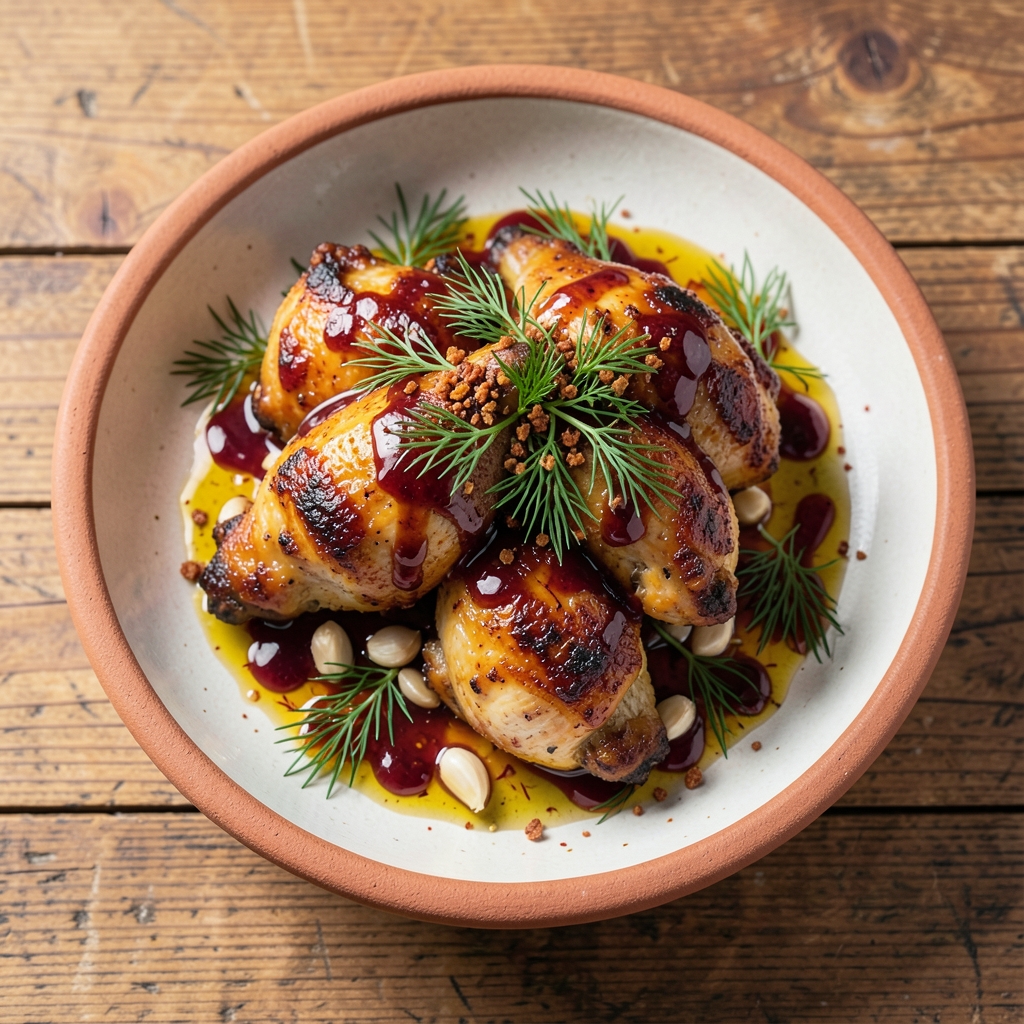
This Azerbaijani chicken recipe brings the bold flavors of the Caucasus to your kitchen with its signature crispy bites and fragrant spices.
I spent weeks perfecting this dish after discovering how sumac and saffron transform simple chicken into something extraordinary—each bite delivers a perfect balance of tangy, earthy, and floral notes that will transport you to Baku.
The secret lies in the marinade, where sumac’s bright acidity meets saffron’s golden warmth, creating a crust that’s both crisp and tender.
The recipe begins with chicken thighs, marinated overnight in a blend of sumac, garlic, and pomegranate molasses—a technique I learned from an Azerbaijani chef who emphasized patience as the key to depth of flavor.
After grilling or baking until golden, the chicken develops that coveted crispy exterior while staying juicy inside. This dish isn’t just about the chicken; it’s about the experience of bringing a taste of Azerbaijan to your table, where every meal becomes a celebration.
What makes this recipe special is how it comes together with minimal fuss but maximum impact. You’ll need just a handful of ingredients—sumac, saffron, pomegranate molasses, and fresh herbs—that work in harmony to create a dish that’s both impressive and approachable.
The result is chicken that’s crispy on the outside, tender within, and infused with layers of flavor that will have everyone asking for seconds.
Serve it with traditional sides like pilaf or fresh herbs to complete the meal, or pair it with warm lavash bread to soak up every last bit of the fragrant marinade.
This is the kind of dish that turns ordinary weeknights into special occasions—authentic, flavorful, and impossible to resist. Let’s get cooking!
Ingredients for azerbaijani chicken
Just eight ingredients transform ordinary chicken into a fragrant, crispy Azerbaijani masterpiece.
| Ingredient | Amount | Notes |
|---|---|---|
| Chicken Thighs 🍗 | 1 ½ lb | Bone-in, skin-on preferred |
| Sumac 🌶️ | 2 tbsp | Finely ground for marinade |
| Saffron Threads 🌼 | ¼ tsp | High-quality for best flavor |
| Pomegranate Molasses 🍇 | ½ cup | Thick, not syrup-like |
| Garlic Cloves 🧄 | 6 cloves | Peeled, minced for marinade |
| Fresh Dill 🌿 | ¼ cup | Chopped, stems removed |
| Fresh Parsley 🌿 | ¼ cup | Chopped, for garnish |
| Extra-Virgin Olive Oil 🫒 | ¼ cup | For crispy crust |
| Lemon Juice 🍋 | 2 tbsp | Freshly squeezed |
| Ground Cumin 🌿 | 1 tsp | Toasted for depth |
| Salt 🧂 | 1 ½ tsp | Kosher or sea salt |
| Black Pepper 🌶️ | ½ tsp | Freshly ground |
| All-Purpose Flour 🌾 | ½ cup | For dredging |
Sumac is the star here—look for bright red, fine-ground sumac at Middle Eastern markets or bulk spice shops. Penzeys or Kalustyan’s carry the good stuff if you can’t find it locally. Saffron? Don’t skimp—cheap saffron tastes like dirt. I grab mine from Saigon Spice online; it’s worth the splurge. Pomegranate molasses should be thick and syrupy—avoid the watery kind. Fresh dill and parsley make all the difference, so grab bunches and use half now, half later for garnish. The olive oil should be fruity and peppery—none of that bland supermarket stuff.
No sumac? Substitute lemon zest plus a pinch of smoked paprika—it won’t be identical, but close. Short on saffron? Turmeric at half the amount gives color, though no floral notes. Pomegranate molasses missing? Grenadine syrup or even balsamic vinegar in a pinch. The flour is just for crispiness—panko works too if you want extra crunch. Want more heat? Add a pinch of cayenne to the marinade. No fresh herbs? Dried dill at one-third the amount gets you close, but fresh is better.
Marinate the chicken overnight—that’s non-negotiable for deep flavor. Store the marinade leftovers in a jar in the fridge for up to 1 week. The cooked chicken reheats beautifully—425°F oven for 10 minutes restores crispiness. Freeze cooked portions for up to 3 months—just thaw in the fridge overnight. Leftovers? Toss them in a wrap with lavash and pickled veggies for an easy lunch.
Why You’ll Love This Recipe
- Pantry Magic: I swear by this one—no special shopping trips. Sumac and pomegranate molasses are the only things that might not be in your cupboard, and honestly? They last forever. That first tangy hit of sumac on the chicken? It’s like a flavor shortcut.
- Gold in a Jar: Saffron threads sound fancy, but here’s the secret: you only need a pinch. Steep them in warm water for 10 minutes while you prep the rest—no fuss, all reward. The result? A dish that smells like a sunlit garden, even if your kitchen’s a disaster.
- Weeknight to Dinner Party: Same recipe, different vibes. Toss it with rice for a Tuesday night or serve it over crusty bread with a side salad for guests. The molasses adds this deep, fruity richness that makes it feel special without trying too hard.
- Leftovers That Don’t Suck: Between us, most chicken leftovers are sad. Not this. The thighs stay juicy, the sauce clings, and reheating? Just a splash of water, 30 seconds in the microwave. I’ve fed my family this for lunch three days in a row—no complaints, just clean plates.
Step-by-step instructions for fragrant saffron and sumac crispy bites
Here’s how to turn simple chicken thighs into restaurant-worthy bites with perfect crispy skin.
Marinate the Chicken for Maximum Flavor
In a large bowl, combine the 1.5 lb chicken thighs, 2 tbsp sumac, 0.25 tsp saffron threads, 0.5 cup pomegranate molasses, 6 minced garlic cloves, 0.25 cup chopped fresh dill, 0.25 cup extra-virgin olive oil, 2 tbsp lemon juice, 1 tsp ground cumin, 1.5 tsp salt, and 0.5 tsp black pepper. Use your hands to coat the chicken thoroughly with the marinade, making sure every piece is well saturated.
The saffron needs special handling—soak the threads in 2 tbsp warm water for 5 minutes first to release their vibrant color and aroma. Stir this saffron infusion into the marinade before adding the chicken. Let the mixture sit at room temperature for 15 minutes to allow the flavors to meld, then refrigerate for at least 2 hours (overnight works best). This long marinating time ensures tender meat and deeply infused flavor.
Dredge for the Perfect Crispy Crust
Remove the chicken from the refrigerator and let it sit for 10 minutes to bring it to room temperature. This helps with even cooking. Place 0.5 cup all-purpose flour in a shallow dish and lightly dredge each chicken piece, shaking off any excess. The flour creates that signature crispy crust that makes these bites irresistible.
Don’t press too hard when dredging—just enough to coat the surface. If you pack the flour too tightly, it’ll create a thick, dense crust instead of the delicate, crispy one we want. Pat the dredged chicken gently with a paper towel to remove any loose flour that could make the oil splatter when cooking.
Cook Until Golden and Crispy
Heat 0.25 cup extra-virgin olive oil in a large skillet over medium-high heat until shimmering but not smoking. Add the dredged chicken pieces in a single layer, being careful not to overcrowd the pan. Cook for 4-5 minutes per side until the chicken is golden brown and the skin is crispy. You’ll know it’s ready when the edges pull away from the pan easily and the internal temperature reaches 165°F.
Here’s the thing—don’t walk away during this step. The chicken needs constant attention to ensure even browning. If you see the skin starting to darken too quickly, reduce the heat slightly to prevent burning. The crispy skin is what makes this dish special, so take your time and let it develop properly.
Rest and Garnish for Serving
Transfer the cooked chicken to a plate and let it rest for 5 minutes. This resting period allows the juices to redistribute, keeping the meat moist and tender. While the chicken rests, stir 0.25 cup chopped fresh parsley into the remaining marinade in the skillet to create a quick sauce. Add 1-2 tablespoons of water if needed to loosen the mixture.
Serve the chicken immediately, drizzled with the parsley sauce. The contrast of crispy skin with tender meat and the bright, tangy sauce makes every bite unforgettable. These bites pair perfectly with warm flatbread or a simple cucumber salad to balance the richness.
Pro Tips For Making Azerbaijani Chicken
- SEAR THIGHS HOT: I learned this the hard way—cold chicken thighs won’t brown properly, and you’ll end up with bland, gray meat. Pat them bone-dry first, then hit a screaming-hot pan (medium-high heat) until the skin crisps and releases easily. If your pan’s not smoking, you’re not going fast enough.
- BLOOM SUMAC FIRST: Tossing sumac dry into the pan is a waste—it’ll just burn and taste bitter. Mix it with a splash of warm water (or even better, a teaspoon of pomegranate molasses) to dissolve it into a paste. This way, it clings to the chicken and caramelizes instead of turning into ash.
- DON’T OVERMIX SAFFRON: Saffron threads are delicate—if you stir them like crazy, they’ll turn into bitter sludge. Soak them in 2 tablespoons of warm water for 10 minutes, then gently swirl the liquid into the sauce at the end. You’re not making tea; you’re adding color and aroma, not a full infusion.
- REST THIGHS UNDER FOIL: Cutting into chicken too soon means juices everywhere. After searing, transfer thighs to a foil-lined tray, tent loosely with more foil, and let them sit for 5–10 minutes. The residual heat keeps them juicy, and the foil traps the sumac’s tangy aroma—no one will guess you didn’t cook it for hours.
Storing and reheating this azerbaijani chicken
Refrigerator Storage
Store leftover Azerbaijani chicken in an airtight container for up to 4 days at 40°F or below. The marinade’s sumac and pomegranate molasses preserve freshness while keeping flavors vibrant. I always portion the chicken into single-serving containers—this makes reheating easier and prevents soggy skin. 💫
Freezer Storage
For longer storage, freeze cooked chicken for up to 3 months. Use quart-sized freezer bags with 1-inch headspace to prevent freezer burn. Thaw overnight in the fridge—never microwave directly from frozen, or the crispy skin will turn rubbery. I label my bags with the date to track freshness.
Oven Reheating
My favorite method: Preheat oven to 425°F and place chicken on a wire rack over a baking sheet. Reheat for 10-12 minutes until the skin crisps again. The residual marinade flavors intensify with gentle heat, making every bite taste fresh. 🔥
Skillet Refresh
For quick reheating, warm 1 tbsp olive oil in a skillet over medium heat. Add chicken pieces and cook for 2-3 minutes per side until golden. The skillet’s heat reactivates the crispy crust while keeping the meat juicy. Add a splash of water if the chicken looks dry.
Microwave Safety
If you’re short on time, microwave on high for 1-2 minutes, then finish in a skillet for 30 seconds per side to restore crispiness. Cover with a damp paper towel to retain moisture—this prevents the skin from becoming leathery. I only use this method for lunches, not special occasions.
Leftovers Reinvented
Turn reheated chicken into lavash wraps with pickled onions and cucumber, or shred it into a sumac-spiced salad. The flavors adapt beautifully to new dishes. I also make a quick chicken pilaf by tossing reheated pieces with rice, saffron, and toasted almonds. 🌟
Nutrition facts
Frequently asked questions
What makes this Azerbaijani chicken recipe different from regular chicken dishes?
The secret lies in the sumac and saffron marinade—these spices create a unique tangy, floral flavor profile that’s distinct from typical Western chicken recipes. The pomegranate molasses adds depth, while the crispy flour crust sets it apart from tender roasted or grilled chicken. It’s a perfect blend of Middle Eastern acidity and Caucasus warmth that transforms ordinary chicken into something extraordinary.
Can I use chicken breasts instead of thighs?
Chicken breasts will work, but thighs are ideal because they stay juicier during cooking. If you must use breasts, pound them to an even thickness and reduce cooking time to 3-4 minutes per side to avoid drying out. For best results, marinate for the full overnight time—this helps tenderize the leaner meat.
How do I substitute sumac if I can’t find it?
For a similar tangy flavor, mix 1 tbsp lemon zest with ½ tsp smoked paprika. While not identical, this combo captures the bright acidity. Avoid using just lemon juice—it won’t replicate sumac’s earthy depth. If you want color too, add a pinch of turmeric. The dish will still be delicious, just with a slightly different profile.
What’s the best way to serve this dish for a dinner party?
Arrange the crispy chicken pieces on a platter with a drizzle of the parsley sauce. Serve with warm lavash bread for scooping up flavors and a simple cucumber-tomato salad with lemon and olive oil. For extra presentation, sprinkle with extra sumac and chopped fresh dill. The contrast of textures and temperatures makes it feel special without requiring fancy plating.
Why did my chicken turn out dry?
Overcooking is usually the culprit—chicken should reach 165°F internally but shouldn’t spend more than 4-5 minutes per side in the pan. Use a meat thermometer to check doneness. Also, skipping the resting time causes juices to escape. For extra moisture, baste the chicken with its marinade during the last minute of cooking. The skin will still crisp while the meat stays tender.

- Boiled Salad Recipe: Warm, Creamy Comfort With Crispy Croutons - November 8, 2026
- Divinity Candies Recipe: Silky Smooth Fudge With No-Bake Ease - November 8, 2026
- Peanut Butter Ritz Crackers Recipe: Nutty-Salty Crunch in 5 Minutes - November 8, 2026