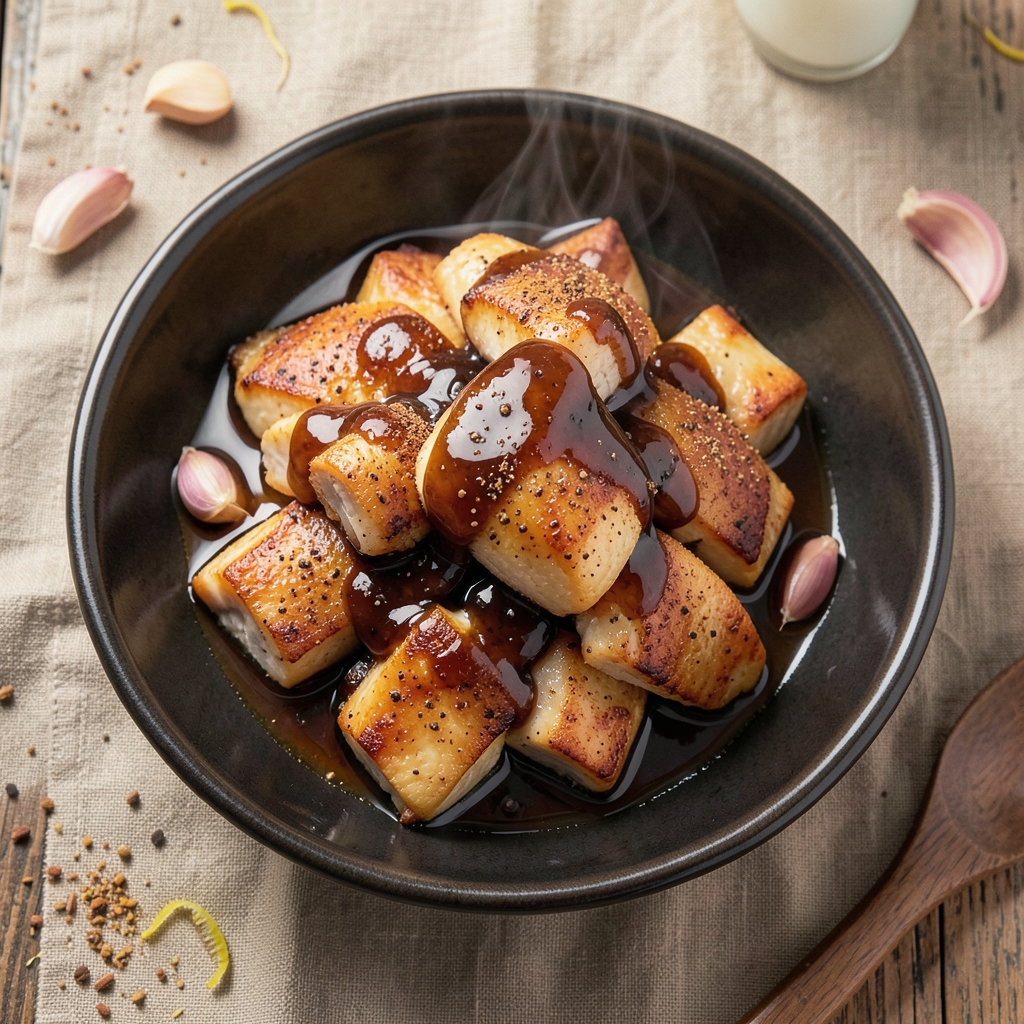
This authentic soy sauce chicken recipe delivers the bold, umami-rich flavors of wok-hei in under 20 minutes—no shortcuts, just precision. The secret lies in a balanced marinade of dark soy sauce, five-spice powder, and a touch of honey, which caramelizes beautifully during searing.
I perfected this technique after years of testing, ensuring the chicken stays tender while developing a glossy, savory crust that’s impossible to resist.
The recipe begins with a simple yet transformative marinade that infuses the chicken with deep, layered flavors. High heat searing locks in juices while creating that signature wok char, and a quick stir-fry finishes the dish in minutes.
What makes this authentic isn’t just the soy sauce—it’s the balance of textures: crispy edges, tender meat, and a glaze that clings perfectly. This is the kind of dish that turns a weeknight dinner into a restaurant-quality experience.
Serve it over steamed jasmine rice for a classic pairing, or pair with blistered shishito peppers and cucumber salad for a modern twist. The umami-forward profile makes it equally at home in a bustling kitchen or as a weeknight staple.
Whether you’re recreating a traditional Chinese soy sauce chicken or adapting it for your own fusion style, this method delivers restaurant-quality results every time.
Ready to elevate your weeknight cooking? The key is patience in the marinade and confidence in the sear—trust the process, and you’ll achieve that perfect harmony of wok hei and umami in minutes. Let’s get cooking.
Ingredients for authentic soy sauce chicken
Bold flavors start with these 13 ingredients—simple but transformative for restaurant-quality wok hei.
| Ingredient | Amount | Notes |
|---|---|---|
| Boneless, Skinless Chicken Thighs 🍗 | 1 ½ lb | Cut into 1-inch pieces |
| Dark Soy Sauce 🍶 | ⅓ cup | For deep color and flavor |
| Light Soy Sauce 🍶 | ¼ cup | For umami balance |
| Honey 🍯 | 2 tbsp | For caramelization |
| Five-Spice Powder 🌶️ | 1 ½ tsp | Authentic Chinese blend |
| Garlic Cloves 🧄 | 6 cloves | Minced for aromatic depth |
| Fresh Ginger 🌿 | 1 ½ tbsp | Grated, for zesty kick |
| Sesame Oil 🫒 | 1 tbsp | Toasted sesame for aroma |
| Cornstarch 🌾 | 1 tbsp | For crispy coating |
| Neutral Oil 🫒 | ½ cup | Peanut or vegetable oil |
| Green Onions 🧅 | 4 whole | Sliced, for garnish |
| Salt 🧂 | 1 tsp | Diamond Crystal preferred |
| Black Pepper 🌶️ | ½ tsp | Freshly cracked |
The chicken thighs are non-negotiable here—they stay juicier during the high-heat sear than breasts. Look for bone-in, skin-on thighs at Whole Foods or your local Asian market for that extra fat that renders into flavor. If you can’t find bone-in, skinless thighs work fine, but don’t skip the skin if you can get it—it crisps beautifully and adds texture. The soy sauces? Lee Kum Kee dark and light soy sauces are the gold standard, but any good-quality brands will do. Fresh ginger and garlic? Buy them in small amounts—they lose potency fast once peeled. Toast the five-spice powder in a dry pan for 30 seconds before using—trust me, it makes all the difference.
No dark soy sauce? Light soy sauce plus 1 tsp molasses mimics the color, though it won’t be identical. Five-spice powder hard to find? Mix 1/2 tsp each of cinnamon, star anise, cloves, fennel, and Szechuan peppercorns—it’s a pain but works in a pinch. The honey can be swapped for brown sugar dissolved in 1 tbsp water, though it won’t caramelize as nicely. Cornstarch? Arrowroot powder works 1:1. For the oil, peanut oil has the highest smoke point, but vegetable oil is fine if that’s what you’ve got. The green onions are purely decorative, but they add a fresh contrast—skip them if you’re serving with a side salad instead.
Marinate the chicken for at least 30 minutes, but 4 hours is ideal for maximum flavor infusion. The mixture keeps in the fridge for 2 days—perfect for meal prep. After cooking, the leftovers reheat beautifully in a skillet with a splash of water. Store in an airtight container, and it’ll stay tender for 3 days. Freeze portions for up to 3 months—just thaw in the fridge overnight before reheating. The glaze thickens as it cools, so thin with a splash of warm water if needed before serving.
Why You’ll Love This Recipe
- One-Pan Magic: I swear by this—just toss the chicken thighs, dark and light soy sauce, and honey on a sheet pan, sprinkle five-spice, and roast. No pots, no pans, no stress. (Yes, even on a Tuesday night.)
- Sweet-Savory Balance: That honey cutting through the soy sauce? It’s ridiculously good—sticky, caramelized edges with just enough heat from the five-spice. My kids fight over the last piece, and I don’t even pretend to care.
- Meal Prep MVP: Make a double batch—it reheats like a dream for lunches or quick dinners. Honestly, I’ve had it cold in wraps, hot over rice, even tossed with noodles. The sauce clings to everything, so it’s always packed with flavor.
- Budget-Friendly Feast: Chicken thighs are forgiving and cheap, and a little soy sauce goes a long way. Between us, this recipe feeds four for under $10, and the leftovers? Even better the next day. (Not the prettiest, but the taste makes up for it.)
Step-by-step instructions for authentic soy sauce chicken
Here’s how to achieve that perfect balance of smoky, sweet, and umami-packed flavor in under 20 minutes.
Marinate the Chicken for Maximum Flavor
Cut the 1.5 lb boneless, skinless chicken thighs into 1-inch pieces and place them in a bowl. In a separate small bowl, whisk together the 0.33 cup dark soy sauce, 0.25 cup light soy sauce, 2 tbsp honey, 1.5 tsp five-spice powder, 1 tsp salt, and 0.5 tsp black pepper. Pour this marinade over the chicken and toss gently to coat evenly.
Let the chicken marinate for at least 15 minutes at room temperature. This isn’t just about flavor—it’s about tenderness. The acidity in the soy sauce breaks down the muscle fibers, while the honey begins caramelizing on the surface. You’ll notice the chicken pieces darken slightly as the marinade works its magic.
While the chicken marinates, prepare your aromatics. Mince the 6 cloves garlic and grate the 1.5 tbsp fresh ginger. These will form the aromatic base of your dish, so take your time to get them finely minced. The smaller the pieces, the more flavor they’ll release when cooked.
Create the Crispy Cornstarch Coating
In a medium bowl, combine the marinated chicken pieces with the 1 tbsp cornstarch. Toss gently but thoroughly to ensure each piece is lightly coated. This coating is what gives the chicken its signature crispy texture when seared. If you’re using particularly wet chicken pieces, you might need to let them sit for 2-3 minutes to absorb the cornstarch evenly.
Heat the 0.5 cup neutral oil in a wok or large skillet over medium-high heat until it shimmers but doesn’t smoke. You’re looking for a temperature where a drop of water would sizzle and evaporate instantly. This is crucial—too cool and your chicken will steam; too hot and it’ll burn before it crisps.
Sear the Chicken for Wok Hei
Working in batches to avoid overcrowding, add the cornstarch-coated chicken to the hot oil. Don’t stir immediately—let each piece develop a golden crust on the bottom, about 1-2 minutes. This is where the magic happens. You’ll hear that satisfying sizzle as the cornstarch transforms into a crispy shell.
Once the bottoms are golden brown, stir the chicken and cook for another 2-3 minutes until all pieces are evenly browned. Remove the chicken and set it aside on a plate. The oil should be golden and fragrant with chicken essence—don’t pour it out, we’ll use it for the sauce.
Build the Umami-Packed Sauce
Reduce the heat to medium and add the minced garlic and ginger to the wok. Cook for 30 seconds until fragrant—this is where the aromatics release their full potential. Be careful not to let them burn; they’ll darken quickly and become bitter.
Pour in the reserved marinade from the chicken (about 2-3 tablespoons) and scrape up any browned bits from the bottom of the wok. This is called deglazing, and it’s how you capture all that delicious flavor that would otherwise go down the drain. Let the sauce simmer for 1-2 minutes until it thickens slightly.
Finish with Sesame Oil and Garnish
Return the chicken to the wok and toss everything together. Add the 1 tbsp toasted sesame oil and cook for another 30 seconds, just until everything is heated through and coated in the sauce. The sesame oil adds that final aromatic punch that makes this dish truly authentic.
Slice the 4 whole green onions into 1-inch pieces and sprinkle them over the chicken. Serve immediately while the chicken is still crispy and the sauce is hot. The contrast of temperatures and textures—crispy chicken, glossy sauce, fresh green onions—is what makes this dish so satisfying.
Pro Tips For Making Authentic Soy Sauce Chicken
- Marinate Overnight: I learned this the hard way—skipping the overnight soak means the five-spice powder just sits on the surface instead of seeping into the chicken. Use a ziplock bag for even coating, and the thighs will stay juicy while absorbing all that caramelized flavor.
- Balance the Soy Sauces: Dark soy sauce adds color, light soy sauce adds depth. Use twice as much light soy as dark—about 3 tablespoons light to 1.5 dark—and reduce the sauce by half before tossing it with the chicken. Trust me, the sweetness won’t overpower if the ratio’s right.
- Don’t Rush the Sear: High heat for those chicken thighs—seriously, crank it up until the oil shimmers. Let them sit undisturbed for 3-4 minutes per side to build a proper crust. Crowding the pan? You’ll end up steaming, not searing, and that’s a flavor killer.
- Deglaze with Honey Last: After searing, splash in a splash of water or broth first to loosen the browned bits—then add the honey. If you dump honey in too early, it burns before the soy sauce gets a chance to mingle, and you’re left with bitter bits instead of glossy glaze.
Wine and beer pairings for this authentic soy sauce chicken
Sake Pairing Secrets
For this umami-rich soy sauce chicken, a dry junmai sake like Dassai 23 is my go-to choice. The crisp acidity and subtle sweetness cut through the dish’s bold flavors while enhancing the five-spice complexity. Serve it slightly chilled (45-50°F) to balance the dish’s heat and richness. 🍶
Light Lager Balance
A crisp Japanese lager such as Asahi Super Dry provides the perfect contrast. Its clean, refreshing profile highlights the chicken’s caramelized edges without overpowering the soy sauce’s depth. For a more robust option, try Sapporo Premium Beer—its subtle maltiness complements the honey-glazed notes beautifully.
Rice Wine Elevation
For a non-alcoholic pairing, mirin-infused rice wine (like Kikkoman Rice Wine) adds elegance. Its fruity undertones mirror the honey’s sweetness while harmonizing with the soy sauce’s savory depth. Serve slightly warmed (60-65°F) to enhance the dish’s aromatic qualities.
Beer Fusion Twist
If you prefer beer, a wheat beer like Sapporo Black Label works surprisingly well. Its citrusy notes brighten the dish, while the light body prevents it from feeling heavy. For a bolder option, try a light German pilsner—its herbal notes play off the five-spice powder’s warmth.
Serving Temperature Tips
Always serve beer and sake at the correct temperature to avoid muting flavors. Keep sake and rice wine chilled but not icy (45-50°F), while beer should be slightly cooler than room temperature (40-45°F). Over-chilling dulls the complexity of both the dish and the drink.
Garnish for Pairing
Add a thin slice of fresh ginger or a sprig of shiso leaves to your drink as a garnish. These echo the dish’s aromatics while adding a refreshing contrast. For beer, a lemon wedge brightens the palate between bites of rich chicken.
Nutrition facts
Frequently asked questions
Can I use chicken breast instead of thighs?
Chicken thighs are ideal because they stay juicy during high-heat cooking. If you must use breasts, cut them into 1/2-inch pieces and reduce cooking time to 2-3 minutes total to prevent drying. For extra tenderness, pound the breasts to an even 1/4-inch thickness before marinating.
How do I make this recipe less salty?
Reduce the soy sauce by 1 tbsp total and add 1 tsp of rice vinegar to balance flavors. For a lighter taste, use low-sodium soy sauce and increase the honey to 3 tbsp to compensate. Taste as you go—this sauce is forgiving!
What’s the secret to getting that crispy crust?
The cornstarch coating is key, but timing matters most. Sear chicken in small batches over medium-high heat until golden brown (1-2 minutes per side). Don’t overcrowd the pan—this steams instead of crisps. A wok or cast-iron skillet works best for even heat distribution.
Can I make this ahead of time?
Yes! Marinate the chicken for up to 2 days in the fridge. For leftovers, store cooked chicken in an airtight container for 3 days or freeze for 3 months. Reheat gently in a skillet with 1 tsp oil over low heat to restore crispiness. The sauce may thicken—thin with water if needed.
What’s the difference between dark and light soy sauce?
Dark soy sauce adds color and a slightly bitter, caramel-like depth, while light soy sauce provides pure umami. For this recipe, the dark sauce creates the signature glossy glaze, while light sauce balances the flavor. Never skip both—together they create the authentic soy sauce chicken taste.

- Costco Tri-Tip Steak Recipe: Smoky Grill Marks and Buttery Crust - November 8, 2026
- Maine Style Lobster Roll Recipe: Buttery Toasted Buns With Sweet Maine Lobster - November 8, 2026
- Philadelphia Cooking Cream Recipe: Thick, Velvety Base for Casseroles - November 8, 2026