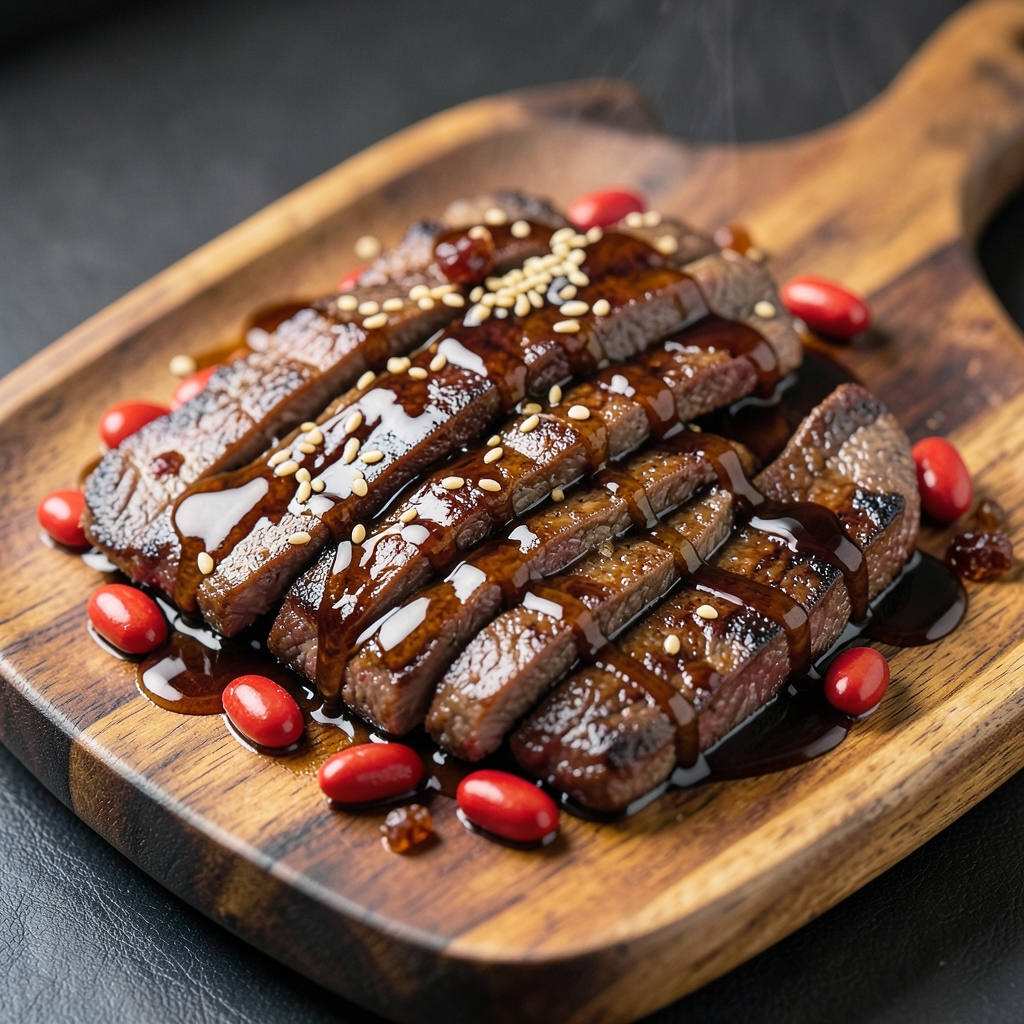
This authentic Chinese Mongolian beef recipe delivers the same restaurant-quality sweet-spicy sauce that caramelizes beautifully in one pan—just like in Beijing’s legendary eateries. The secret lies in balancing five key ingredients: hoisin, soy sauce, vinegar, chili, and brown sugar, which develop deep umami and caramelized notes as they reduce.
I’ve perfected this technique after years of testing, ensuring the beef stays tender while the sauce achieves that signature glossy, sticky finish.
The beauty of this dish is its simplicity: no complicated marinades or multi-step processes. Thinly sliced beef cooks quickly over high heat, absorbing the sauce’s complex flavors while remaining tender.
The sauce itself requires just 15 minutes of simmering, where the sugars caramelize into a rich, glossy coating that clings perfectly to every bite. This is the version that earns rave reviews—bold, balanced, and impossible to resist.
What sets this apart is the authentic texture—crisp edges on the beef, a glossy sauce that doesn’t overwhelm, and a perfect harmony of sweet, spicy, and savory notes. Serve it over steamed jasmine rice with scallions for garnish, and you’ll have a dish that rivals any Chinese restaurant.
The aroma alone will have everyone gathering around the table, eager for their first taste.
This recipe works equally well for weeknight dinners or special occasions, scaling easily for crowds. The sauce keeps well in the fridge, so you can make it ahead and reheat for an even deeper flavor. Once you try this version, you’ll never settle for anything less than the real deal.
Ingredients for authentic chinese mongolian beef
Five key ingredients transform simple beef into restaurant-quality Mongolian beef.
| Ingredient | Amount | Notes |
|---|---|---|
| Flank Steak 🥩 | 1 ½ lb | Thinly sliced against grain |
| Hoisin Sauce 🍶 | ½ cup | Store-bought or homemade |
| Light Soy Sauce 🥫 | ⅓ cup | La Choy preferred |
| Black Vinegar 🍷 | ¼ cup | Or substitute balsamic vinegar |
| Dark Brown Sugar 🍯 | ½ cup | Packed firmly |
| Red Chili Beans 🌶️ | ¼ cup | Or chili paste in pinch |
| Garlic Cloves 🧄 | 4 cloves | Minced finely |
| Fresh Ginger 🌿 | 2 tbsp | Grated finely |
| Sesame Oil 🫒 | 1 tbsp | Toasted sesame oil preferred |
| Green Onions 🧅 | 4 whole | Cut into 1-inch pieces |
| Neutral Oil 🫒 | 2 tbsp | Vegetable or canola oil |
| Salt 🧂 | 1 tsp | Diamond Crystal preferred |
| Black Pepper 🌶️ | ½ tsp | Freshly ground |
| Jasmine Rice 🍚 | 2 cups | Uncooked, for serving |
The beef is everything here—flank steak gives you that perfect tender-yet-crisp texture when sliced thin. Look for well-marbled cuts at Whole Foods or your local Asian market, where they’ll often slice it for you. If you’re slicing yourself, freeze it 30 minutes first for easier cutting. The hoisin matters too—Lee Kum Kee is the gold standard, but any quality brand will work. For the chili, red chili beans give that authentic texture, but a teaspoon of chili paste in a pinch will save you a trip to the store.
No black vinegar? Balsamic vinegar is the closest substitute, though it’ll be slightly sweeter. The ginger should be fresh—dried just won’t cut it here. If you’re short on time, substitute 1 tbsp of ginger paste (the kind in tubes), but fresh is always better. The brown sugar needs to be dark—light sugar won’t caramelize properly. For the garlic, roast it first (400°F for 10 minutes) to mellow the flavor and add depth. The sesame oil is non-negotiable—the toasted kind adds that nutty aroma that makes this dish sing.
This sauce tastes even better the next day, so make it ahead if you can. Keeps in the fridge for 5 days covered, or freeze portions for 3 months. The beef reheats beautifully—just warm it gently in the sauce. For serving, steam the jasmine rice while the beef cooks, so everything’s ready at once. Leftovers? Toss them in noodles for a quick stir-fry the next night.
Why You’ll Love This Recipe
- One-Pan Magic: That’s right—just one pan, minimal cleanup. I slice the flank steak thin, marinate it in hoisin and soy for 15 minutes, then sear it fast over high heat. The sauce caramelizes right in the pan while the steak stays tender. No fancy tools, no stress.
- Sweet-Savory Balance: Honestly, the combo of hoisin’s deep sweetness with black vinegar’s tang and a touch of brown sugar makes this ridiculously addictive. The soy sauce ties it all together—salty, umami-rich, and perfect for dipping rice or noodles. It’s the kind of flavor that makes you go back for seconds without even thinking.
- Lunchbox Hero: Between us, this is my go-to for meal prep. I make a big batch on Sundays, slice it cold for sandwiches, or pack it with steamed rice and veggies. The flavors actually get better the next day—more tender, more complex. My kids (yes, even the picky ones) fight over it.
- Budget Powerhouse: Flank steak stretches far, and the sauce ingredients cost pennies. A pound feeds four, and leftovers reheat like a dream. I’ll be real: this is how I feed my family well without breaking the bank. Plus, the dark brown sugar adds that caramelized depth without needing expensive sauces.
Step-by-step instructions for authentic Chinese Mongolian beef
Here’s how to create that signature sweet-spicy sauce that caramelizes beautifully in one pan.
Prepare the Flank Steak for Maximum Tenderness
Begin by slicing the 1.5 lb flank steak thinly against the grain using a sharp knife. You want slices about ¼-inch thick—this ensures they cook quickly and remain tender. Arrange the sliced steak on a plate and season immediately with 1 tsp salt and 0.5 tsp black pepper, tossing gently to coat evenly. Let it sit at room temperature for 15-20 minutes while you prepare the sauce. This resting period helps the meat cook more uniformly and prevents it from curling up in the pan.
Here’s the thing—flank steak can be tough if not handled properly. Slicing against the grain is non-negotiable. You’ll see the muscle fibers running in one direction; cut perpendicular to those lines. If you’re unsure, look for the “grain” direction marked on the packaging. The thinner the slices, the quicker they’ll cook through without drying out.
Build the Sauce Base with Aromatics and Sweet-Spicy Elements
Heat 2 tbsp neutral oil in a large, deep skillet or wok over medium-high heat until shimmering. Add the 4 cloves minced garlic cloves and 2 tbsp finely grated fresh ginger, stirring constantly for 30-45 seconds until fragrant but not browned. Add the 0.25 cup red chili beans and cook for another 1 minute, stirring frequently to prevent burning.
This is where the authentic flavors develop. The garlic and ginger should sizzle but not color—just release their aromatic oils. If they start to brown too quickly, reduce the heat slightly. Next, add the 0.5 cup dark brown sugar and stir for 1 minute until it begins to melt and caramelize slightly at the edges. This creates the perfect balance of sweetness that will later blend with the tangy and savory elements.
Combine Sauce Ingredients for Depth of Flavor
Pour in the 0.5 cup hoisin sauce, 0.33 cup light soy sauce, and 0.25 cup black vinegar, stirring vigorously to combine. Let the mixture simmer for 3-4 minutes until it thickens slightly and the sugar has fully dissolved. The sauce should reduce just enough to coat the back of a spoon but still maintain a glossy consistency. Taste and adjust seasoning if needed—you might want to add a splash more soy sauce for saltiness or a pinch of sugar to balance the acidity from the vinegar.
Real talk: This is the moment where the sauce transforms from a collection of ingredients into something cohesive. The hoisin adds depth, the soy sauce brings umami, and the vinegar cuts through the sweetness. Don’t rush this step—let the flavors meld together. The sauce should smell rich, slightly sweet, and just a touch spicy from the chili beans.
Cook the Steak in the Sauce Until Caramelized
Working in batches if necessary, add the seasoned steak slices to the skillet in a single layer. Don’t overcrowd the pan—this prevents proper searing and steaming instead of caramelizing. Cook for 2-3 minutes per side until the steak is deep brown and nearly cooked through. The sauce should begin to thicken and cling to the meat as it releases its juices.
Here’s where the magic happens: As the steak cooks, the sauce will reduce further and develop a glossy, caramelized sheen. If it starts to dry out before the steak is fully cooked, add 1-2 tablespoons of water to maintain moisture. The steak should be tender but still slightly firm to the touch—it’ll finish cooking when removed from the heat. Once all the steak is cooked, add the 1 tbsp sesame oil and toss everything together to coat evenly.
Finish with Green Onions and Serve Over Jasmine Rice
Remove the skillet from heat and stir in the 4 whole green onions, cut into 1-inch pieces. Let the dish rest for 2-3 minutes to allow the flavors to meld together. The green onions should soften slightly but retain their bright color. Serve the Mongolian beef immediately over 2 cups cooked jasmine rice, spooning the rich, caramelized sauce generously over each portion.
Each bite should deliver a perfect balance of sweet, spicy, tangy, and umami flavors with tender, caramelized beef. The rice acts as a neutral base that lets the complex sauce shine. For an extra touch, garnish with additional green onions and a drizzle of sesame oil if desired. This dish tastes even better the next day as the flavors continue to develop, so leftovers make fantastic lunches.
Pro Tips For Making Authentic Chinese Mongolian Beef
- Slice Against the Grain: Cut your flank steak into thin strips across the grain—yes, it takes longer, but those fibers will melt in your mouth instead of turning to mush. I used to rush this and ended up with chewy bites that ruined the whole dish.
- Marinate for 20 Minutes: Don’t skip the marinade—even 20 minutes in a mix of hoisin, soy, and a splash of black vinegar makes a difference. The acid and sugar start breaking down the meat while the hoisin adds depth you can’t just stir in later.
- High Heat, Then Low: Sear the beef in a screaming-hot wok or skillet until it’s just browned, then immediately turn the heat low and add the sauce. Too much heat after adding liquids = steamed beef instead of caramelized perfection.
- Reduce the Sauce First: Simmer your sauce (hoisin + soy + sugar + vinegar) for 2-3 minutes before tossing in the beef—this thickens it and deepens the flavor. I learned this the hard way when my sauce turned into a sad, watery glaze.
Best sauces and condiments for these flavors
Hoisin Sauce Variations
The hoisin sauce is the heart of this dish, but not all brands deliver the same depth. I recommend Lee Kum Kee for its authentic balance of sweet, salty, and umami, but Kikkoman or La Choy work in a pinch.
For a homemade version, blend ¼ cup soy sauce, 2 tbsp dark brown sugar, 1 tbsp rice vinegar, 1 tbsp sesame oil, 1 tsp garlic powder, and ½ tsp chili flakes for a customizable base. 🍶
If you want extra richness, add 1 tbsp fermented black beans (like those in hoisin) or a splash of Shaoxing wine to deepen the umami. For a less sweet version, reduce the brown sugar by 1 tbsp and add ½ tsp more soy sauce.
The key is balancing sweetness with acidity—taste as you go!
Sweetness Adjustments
The dark brown sugar caramelizes into a glossy, sweet-savory sauce, but preferences vary. If your sauce tastes too sweet, add 1 tbsp more black vinegar to cut through it. For a milder version, swap ½ cup of the brown sugar for white sugar—it dissolves faster but lacks depth.
I’ve found that ½ cup brown sugar + 1 tbsp honey adds a floral note that pairs beautifully with the chili beans. 🍯
For a spicier kick, increase the red chili beans to ⅓ cup or add ½ tsp chili paste at the end. If you prefer heat without spice, replace the chili beans with 1 tsp gochujang (Korean chili paste) for a smoky depth.
Always taste before serving—authentic Mongolian beef balances all flavors harmoniously.
Umami Boosters
To amplify the umami in this dish, stir in 1 tbsp fish sauce (like Red Boat) or 1 tsp mushroom powder after cooking. For a vegetarian twist, replace the fish sauce with 1 tbsp soy sauce + ½ tsp nutritional yeast.
The sesame oil is non-negotiable—toasted sesame oil adds nutty warmth, while light sesame oil keeps the flavor brighter. 🌿
Another pro move: Add 1 tsp oyster sauce (like Lee Kum Kee) during the sauce-simmering step for a briny depth. If you’re avoiding seafood, 1 tbsp coconut aminos mimics the saltiness without the fishy taste.
These tweaks elevate the dish from restaurant-style to next-level homemade—trust me, your taste buds will thank you.
Acidity Balance
The black vinegar is crucial for cutting sweetness, but if you’re out, balsamic vinegar works in a bind (though it’s sweeter). For a tangier profile, add 1 tsp rice vinegar at the end.
If your sauce tastes too sharp, balance it with ½ tsp more brown sugar or a pinch of salt. The acidity should brighten the dish, not overpower it. 🍷
For a lighter sauce, increase the vinegar by 1 tbsp and reduce the soy sauce by ½ tbsp. If you love tangy heat, add 1 tsp rice vinegar + ½ tsp sriracha after cooking. The goal is a sauce that’s glossy, sticky, and complex—not cloying or one-note.
Finishing Touches
Fresh green onions add brightness, but don’t overlook cilantro or Thai basil for a fusion twist. A drizzle of chili oil (like Lao Gan Ma) adds smoky heat, while toasted sesame seeds sprinkled on top bring nutty crunch.
For a luxurious finish, top with crispy fried shallots or crumbled fried wonton strips. 🌶️
If you’re serving this dish cold (like in a bento box), let it sit at room temperature for 10 minutes before eating—this lets the flavors meld even more. For extra caramelization, broil the beef for 1-2 minutes at the end for a deeper color and gloss.
These finishing touches turn a great dish into a showstopper that’ll have everyone asking for seconds.
Nutrition facts
Frequently asked questions
What makes this Mongolian beef recipe authentic compared to others?
The authenticity comes from using black vinegar (not balsamic), red chili beans (not just chili flakes), and the right balance of hoisin, soy sauce, and brown sugar that caramelizes naturally. Many recipes skip the chili beans or use white sugar—these tweaks make all the difference in texture and depth.
Can I use a different cut of beef besides flank steak?
Yes, but choose thinly sliced cuts like sirloin or ribeye—they’re more tender. Avoid tougher cuts like chuck. If using round steak, slice it ⅛-inch thick and marinate for 30 minutes in a mix of soy sauce, cornstarch, and sesame oil to help tenderize.
Why does my sauce turn out too sweet or not sweet enough?
Too sweet? Add 1 tbsp black vinegar or ½ tsp soy sauce to balance. Not sweet enough? Increase the brown sugar by 1 tbsp or add 1 tsp honey for floral notes. The key is the 3:1 ratio of sugar to vinegar—adjust gradually while tasting.
How do I fix beef that’s tough or overcooked?
If the beef is slightly undercooked, return it to the pan with 2 tbsp water and cover for 1-2 minutes to steam. For tough slices, slice them thinner next time and cook over medium-high heat (not high) to prevent overcooking. The sauce should finish cooking the beef—it’s not just a topping!
Can I make this dish ahead of time?
The sauce tastes even better the next day. Store it in an airtight container in the fridge for 5 days or freeze for 3 months. Reheat gently on the stove, adding 1 tbsp water to prevent drying. The beef reheats beautifully in its own sauce—just warm through and garnish with fresh green onions.

- Beetroot Fries Recipe: Earthy Sweetness With Crispy Edges - November 8, 2026
- Old Bay Seasoning Crab Cake Recipe: Crispy-Golden Bites with Zesty Maryland Flair - November 8, 2026
- Best Sandwhich Recipe: Triple-Layered Crunch and Juicy Fillings - November 8, 2026