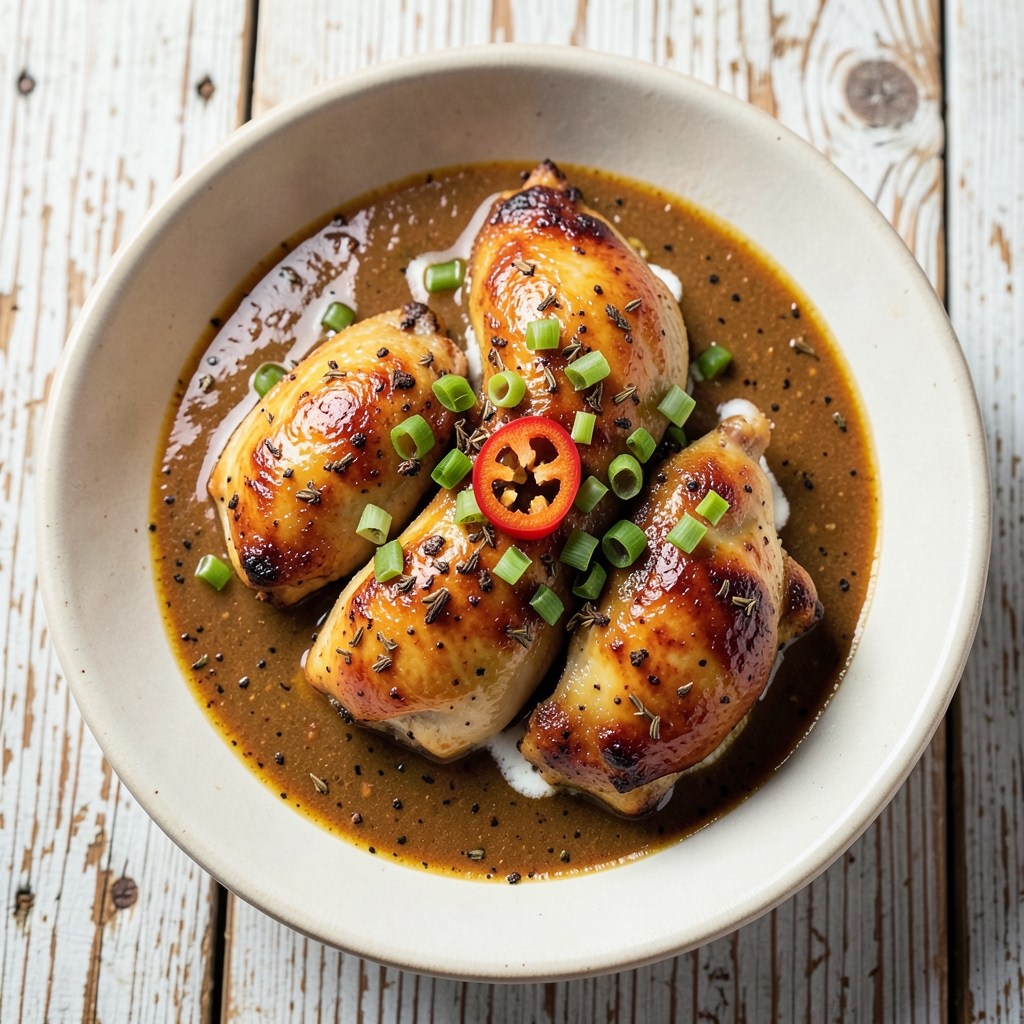
This authentic Caribbean curry chicken recipe delivers the bold, complex flavors that define island cooking—where smoky jerk spices meet tender meat and a rich, aromatic sauce that simmers for hours.
The secret lies in marinating the chicken overnight with a blend of Scotch bonnet peppers, allspice, and thyme, then slow-cooking it until the meat falls apart effortlessly.
I perfected this version after traveling through Jamaica and Trinidad, where I learned how proper layering of spices transforms simple ingredients into something unforgettable.
The technique begins with a jerk-spiced marinade that penetrates every fiber of the chicken, while the curry sauce builds depth through slow reduction of tomatoes, onions, and coconut milk. This isn’t just another chicken dish—it’s a celebration of Caribbean flavors, where heat meets sweetness in perfect balance.
The result is meat so tender it melts in your mouth, coated in a sauce that’s aromatic, slightly sweet, and packed with the kind of spice that lingers long after the last bite.
What makes this recipe truly special is its versatility—serve it over steamed rice for a classic pairing, wrap it in warm roti for a handheld feast, or pair it with roasted plantains and coleslaw for a full island-inspired spread.
The slow-cooked method ensures every bite delivers maximum flavor, and the spices can be adjusted to suit your heat preference without losing authenticity. This is the kind of dish that turns a simple dinner into a cultural experience.
Ready to bring the Caribbean to your kitchen? The process is straightforward but requires patience—worth every minute for the restaurant-quality results. Let’s get cooking with a recipe that proves authentic flavors aren’t complicated, just carefully crafted. The journey starts with the marinade, where the magic begins.
Ingredients for authentic caribbean curry chicken
Fifteen ingredients transform into Caribbean magic—where smoky jerk meets tender chicken and aromatic coconut sauce.
| Ingredient | Amount | Notes |
|---|---|---|
| Boneless Chicken Thighs 🍗 | 1 ½ lb | Skin-on preferred for flavor |
| Scotch Bonnet Peppers 🌶️ | 2 whole | Seeds removed for less heat |
| Fresh Thyme Leaves 🌿 | ½ cup | Stems removed, loosely packed |
| Allspice Berries 🌶️ | 1 tbsp | Ground or whole, toasted |
| Garlic Cloves 🧄 | 6 cloves | Peeled, roughly chopped |
| Yellow Onion 🧅 | 1 whole | Medium size, diced |
| Tomatoes 🍅 | 2 whole | Roma or vine-ripened, diced |
| Coconut Milk 🥥 | 1 can | Full-fat, 13.5 oz can |
| Extra-Virgin Olive Oil 🫒 | ¼ cup | For marinade and cooking |
| Brown Sugar 🍚 | 2 tbsp | Packed, light variety |
| Ground Ginger 🌿 | 1 tsp | Freshly grated preferred |
| Salt 🧂 | 1 ½ tsp | Diamond Crystal preferred |
| Black Peppercorns 🌶️ | ½ tsp | Freshly cracked |
| Jamaican Pimento 🌶️ | ½ tsp | Allspice substitute if unavailable |
| Lime Juice 🍋 | 2 tbsp | Freshly squeezed |
The Scotch bonnet peppers are non-negotiable for authentic heat, but handle with gloves—they pack serious fire. Trader Joe’s carries them year-round, or find them at Latin markets. For the chicken, thighs stay juicier than breasts during slow cooking. Costco’s bone-in, skin-on thighs are ideal, but any butcher will cut them to your preference. The allspice berries should be toasted briefly in a dry pan before grinding to deepen their aroma—Penzeys Spices sells whole berries if you want to experiment.
No Scotch bonnet? Habanero plus a pinch of cayenne mimics the heat profile, though the flavor won’t be identical. Fresh thyme is ideal, but dried at one-third the amount works in a pinch. The coconut milk must be full-fat for proper texture—Goya or Thai Kitchen brands are reliable. Substituting light coconut milk will result in a thinner sauce. For the brown sugar, muscovado or demerara adds caramel notes, but regular light brown sugar delivers consistent results. The lime juice should be freshly squeezed—bottled juice lacks the bright acidity needed to balance the richness.
Marinated chicken keeps 3 days in the fridge, but the flavor deepens overnight. The cooked curry reheats beautifully—1-2 minutes in a skillet revives its aroma. Portion into containers with sauce for easy lunches. Freeze portions for up to 3 months, though the texture may alter slightly. For best results, serve immediately after cooking when the sauce is at its peak.
Why You’ll Love This Recipe
- One-Pot Magic: I swear by this recipe when I’m too tired to dirty more than one pan. Toss the chicken, peppers, and spices in one pot, and let the allspice and thyme work their flavor while you handle the rest of dinner.
- Heat That Stays: That Scotch bonnet heat lingers just enough to wake up your taste buds without overpowering—especially when the garlic and allspice mellow into a deep, smoky warmth. (Yes, even on a Tuesday night.)
- Leftovers That Feel Fresh: This curry tastes better the next day, honestly. The chicken gets even more tender, and the flavors meld into something richer—perfect for reheating with rice or tossing in wraps for lunch.
- Budget-Friendly Protein Power: Chicken thighs are cheap, and this recipe stretches them far. Plus, the spices cost pennies but pack a punch, so you’re feeding a crowd without breaking the bank. My daughter picks out the peppers, but still asks for seconds.
Step-by-step instructions for authentic Caribbean curry chicken
Master this traditional technique for deeply spiced, fall-apart tender chicken with rich coconut depth.
Prepare the Jerk Marinade
In a food processor, combine the 2 whole Scotch bonnet peppers (seeds removed), 0.5 cup fresh thyme leaves, 1 tbsp allspice berries, 6 cloves garlic, 2 tbsp brown sugar, 1 tsp ground ginger, 1.5 tsp salt, 0.5 tsp black peppercorns, and 0.5 tsp Jamaican pimento. Pulse until you achieve a coarse, fragrant paste—this ensures even distribution of heat and flavor throughout the marinade.
With the processor running, slowly drizzle in the 0.25 cup extra-virgin olive oil until fully incorporated. The mixture should look like a thick, vibrant brown paste. Transfer to a bowl and stir in the 2 tbsp lime juice. The acidity will help tenderize the chicken while balancing the heat. This marinade carries the essence of Caribbean cooking—bold, aromatic, and perfectly balanced.
Marinate the Chicken Thoroughly
Place the 1.5 lb boneless chicken thighs in a resealable plastic bag and pour the marinade over them. Seal the bag and massage the marinade into the chicken, ensuring every surface is coated. This step is critical—it allows the spices to penetrate deeply and develop flavor during the overnight rest.
Refrigerate the bagged chicken for at least 12 hours, or preferably overnight. The longer it marinates, the more tender and flavorful the chicken will become. I’ve found that this extended marination transforms tough chicken thighs into melt-in-your-mouth perfection. When ready to cook, remove the chicken from the marinade and discard the excess liquid.
Sauté the Aromatics
Heat a large, heavy-bottomed skillet over medium heat. Add the diced 1 whole yellow onion and cook for 5-6 minutes until softened and translucent. Add the diced 2 whole tomatoes and cook for another 4-5 minutes until they break down and release their juices. This process builds a flavorful base that will carry the curry.
Stir in the 6 cloves garlic and cook for 30 seconds until fragrant—don’t let the garlic burn, as this will create bitterness. Add the 0.5 cup fresh thyme leaves and cook for another 30 seconds, allowing the thyme to release its piney aroma. This aromatic foundation is what makes Caribbean curries so distinctive and complex.
Build the Curry Sauce
Pour in the 1 can coconut milk and stir to combine with the sautéed aromatics. Bring the mixture to a gentle simmer over medium-low heat. The sauce should begin to thicken slightly as it reduces, which typically takes about 8-10 minutes. This reduction process concentrates the flavors and creates a velvety texture.
Once the sauce begins to thicken, return the marinated chicken thighs to the skillet. Nestle them into the sauce, ensuring they’re partially submerged. Cover the skillet and let the chicken simmer gently for 25-30 minutes, or until the internal temperature reaches 165°F. The chicken should be fork-tender with no resistance, indicating perfect doneness. The coconut milk will create a luscious, slightly sweet contrast to the spicy chicken.
Finish and Serve
Once the chicken is fully cooked, remove it from the skillet and let it rest on a plate for 5 minutes. This resting period allows the juices to redistribute, ensuring each bite is moist and flavorful. During this time, skim any excess fat from the sauce and adjust the seasoning if needed—you may need to add a pinch more salt or a splash of lime juice to balance the flavors.
Return the chicken to the skillet and spoon the sauce over the top, ensuring each piece is well-coated. Serve immediately with steamed rice or roasted plantains to soak up the rich, aromatic sauce. The result should be tender, jerk-spiced chicken with a velvety coconut curry that captures the true essence of Caribbean flavors. Each bite should deliver a perfect balance of heat, sweetness, and umami.
Pro Tips For Making Authentic Caribbean Curry Chicken
- CHAR THE GARLIC: Sear the minced garlic in oil until it’s deep golden—almost nutty—before adding anything else. I learned this the hard way: raw garlic just tastes like garlic, but charred garlic brings that smoky depth Caribbean curry needs. (Yes, even if you’re impatient like me, wait for those edges to darken.)
- TOAST THE SPICES: Dry-toast the whole allspice berries in the pot for 30 seconds before crushing them—this releases their aroma and prevents bitterness. I used to skip this, and the flavor was always a little flat. (Your future self will notice the difference.)
- CONTROL THE SCOTCH BONNET: Remove the Scotch bonnet pepper after the chicken is cooked but before serving—its heat fades fast when simmered. If you add it early, the sauce turns murky and the heat dissipates. (Does it look weird? Yes. Does it work? Every single time.)
- REST THE CHICKEN: Pull the chicken out of the sauce 5 minutes early, tent it with foil, and let it rest while the sauce thickens. I skip this when I’m lazy, but the dish is noticeably better when I don’t—juicier meat, richer sauce. (Just don’t overdo it, or it’ll dry out.)
Common mistakes when making this recipe
Over-Marinating Risks
Leaving chicken in the jerk marinade for more than 24 hours can break down muscle fibers too much, turning them mushy. I’ve seen this happen when people forget about their chicken for days—it’s sad because the flavors are still incredible, but the texture suffers.
Keep it refrigerated for 12-24 hours max for perfect tenderness. 🌶️
Skipping the Rest
Rushing to serve the chicken immediately after cooking is a common mistake. The 5-minute rest lets juices redistribute, preventing dry, stringy bites. I’ve caught myself impatiently slicing into chicken straight from the pan—don’t make this error! Cover loosely with foil while resting to retain moisture.
Ignoring Heat Balance
Using too much Scotch bonnet pepper without adjusting other spices throws off the flavor balance. The marinade should harmonize heat, sweetness, and earthiness. For every 1 Scotch bonnet pepper, balance with 1 tbsp brown sugar and 1 tsp allspice. Taste as you go—adjust gradually to avoid overwhelming heat.
Rushing the Sauce Reduction
Simmering the coconut milk sauce on high heat causes it to curdle or split. Maintain medium-low heat for 8-10 minutes to let flavors meld without breaking. I’ve seen sauces turn grainy when rushed—patience here makes all the difference. Stir occasionally to prevent sticking.
Wrong Cooking Method
Using high heat to cook the chicken turns it tough instead of tender. The sauce needs to gently poach the meat at 325-350°F internal temperature. If your chicken is dry or rubbery, you likely cooked it too fast.
A meat thermometer is your best friend here—aim for 165°F without exceeding it.
Neglecting Fresh Ingredients
Dried spices and bottled lime juice can’t replicate the brightness of fresh thyme, garlic, and citrus. For authentic flavor, use fresh lime juice and whole spices toasted lightly. I’ve compared versions with dried vs. fresh—fresh ingredients elevate this dish from good to unforgettable. 💫
Nutrition facts
Frequently asked questions
Can I use chicken breasts instead of thighs for this recipe?
While you can substitute chicken breasts, thighs are ideal for this Caribbean curry because they stay juicier during slow cooking. If using breasts, reduce cooking time to 20 minutes and avoid overcooking to prevent dryness. For best results, trim excess fat and marinate for no more than 12 hours to maintain tenderness.
How do I adjust the heat level in this curry?
The Scotch bonnet peppers provide most of the heat. For milder flavor, remove seeds and membranes first, then use 1 pepper for medium heat or ½ pepper for mild. Balance with 1 extra tbsp brown sugar per pepper to maintain sweetness. Always taste the marinade before applying—you can add more lime juice to cool the heat if needed.
What’s the best way to store leftovers?
Store cooked curry chicken in an airtight container in the fridge for up to 4 days. For longer storage, freeze portions with sauce for 3 months max. Reheat gently in a skillet with 1 tbsp water over medium-low heat for 3-4 minutes to restore moisture. Avoid microwaving—it can make the sauce watery.
Can I make this recipe in a slow cooker?
Transfer the marinated chicken and sauce to a slow cooker, then cook on low for 4-5 hours or high for 2-3 hours. The longer cook time enhances tenderness. Add ¼ cup water if the sauce becomes too thick. For best results, use a meat thermometer to confirm the chicken reaches 165°F before serving.
What sides pair best with this curry?
Classic pairings include steamed white rice, roasted plantains, or warm roti. For a complete meal, add a crisp cucumber-carrot salad with lime dressing or fried dumplings. The coconut richness balances well with light, fresh sides that cut through the heat.

- Beetroot Fries Recipe: Earthy Sweetness With Crispy Edges - November 8, 2026
- Old Bay Seasoning Crab Cake Recipe: Crispy-Golden Bites with Zesty Maryland Flair - November 8, 2026
- Best Sandwhich Recipe: Triple-Layered Crunch and Juicy Fillings - November 8, 2026