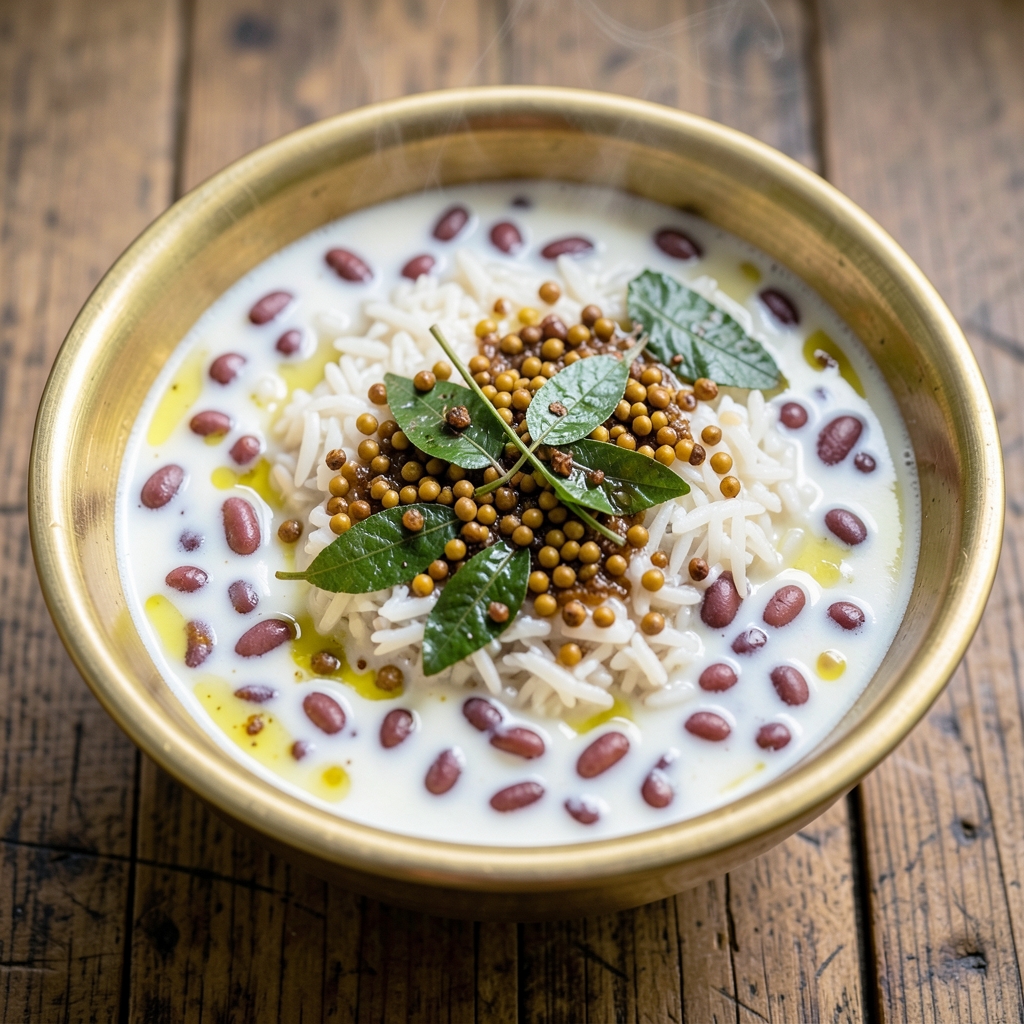
This Attukal Pongal soup recipe brings the heart of Kerala’s Attukal Pongal festival to your kitchen with its warm, spiced lentil-rice blend that’s as comforting as it is authentic. The dish’s vegetarian roots and one-pot simplicity make it perfect for busy weeknights while honoring tradition.
I’ve perfected this version to balance tender rice and lentils with aromatic spices that create layers of flavor in every spoonful.
The magic begins with a tempering of mustard seeds, curry leaves, and coconut that infuses the broth with nutty, earthy depth. Unlike many quick soups, this recipe requires patience—letting the rice and lentils simmer together until perfectly tender creates that signature creamy texture.
The result is a dish that’s both hearty enough for a main course and light enough for a comforting lunch.
What sets this apart is how the spices—cumin, coriander, and black pepper—work together to create warmth without overpowering the natural flavors of rice and lentils.
Each bite delivers that satisfying combination of soft grains, protein-rich lentils, and aromatic broth that makes this more than just soup—it’s a taste of Kerala’s culinary soul. Ready in about 45 minutes, it’s the perfect balance of tradition and convenience.
Serve with a squeeze of lemon and fresh cilantro for brightness, or pair with crispy papadums for extra crunch. This recipe delivers restaurant-quality comfort without the fuss—just one pot, simple ingredients, and a method that preserves authenticity while making it accessible. Let’s get cooking!
Ingredients for attukal soup
Simple ingredients that create Kerala’s soulful spiced lentil-rice harmony in one comforting pot.
| Ingredient | Amount | Notes |
|---|---|---|
| Long-Grain White Rice 🍚 | 1 cup | Uncooked, rinsed thoroughly |
| Red Lentils 🌾 | ¾ cup | Rinsed, no need to soak |
| Fresh Coconut Milk 🥥 | 1 can | 13.5 oz, full-fat preferred |
| Yellow Mustard Seeds 🌶️ | 1 tbsp | Lightly toasted for aroma |
| Curry Leaves 🌿 | ¼ cup | Fresh, packed loosely |
| Ghee or Coconut Oil 🫒 | 2 tbsp | For tempering, high smoke point |
| Cumin Seeds 🌶️ | 1 tsp | Whole seeds, toasted lightly |
| Ground Coriander 🌿 | ½ tsp | Freshly ground preferred |
| Black Peppercorns 🌶️ | ½ tsp | Crushed lightly for warmth |
| Asafoetida Powder 🌶️ | ¼ tsp | Optional, for depth of flavor |
| Fresh Cilantro 🌿 | ¼ cup | Chopped, for garnish |
| Lemon Juice 🍋 | 1 tbsp | Freshly squeezed |
| Salt 🧂 | 1 tsp | Diamond Crystal preferred |
| Water 💧 | 4 cups | Filtered or spring water |
The coconut milk and mustard seeds are non-negotiable for authentic flavor. Thai Kitchen brand coconut milk delivers consistent quality, while Whole Foods bulk section offers the best mustard seeds—look for vibrant yellow seeds with no rancid odor. Curry leaves can be tricky to find outside Indian markets, but Patel Brothers or H Mart stock them fresh. For ghee, Gowardhan brand is widely available and maintains its rich flavor when stored properly. The red lentils should be bright red, not gray or discolored—Patel Brothers or local Indian grocers carry the best quality in bulk.
No fresh curry leaves? Dried curry leaves at half the amount work in a pinch, though texture differs. Substituting coconut milk with light coconut milk plus 1 tbsp cream maintains creaminess. For asafoetida (hing), Kesar brand is most potent—use sparingly. The cumin seeds can be pre-toasted in a dry pan for 30 seconds to deepen their aroma. If you’re short on time, ground cumin works at double the amount, though texture will vary slightly. The water should be filtered or spring water—tap water with high mineral content can affect the rice texture.
Store the cooked soup in an airtight container for 4-5 days in the refrigerator. The flavors actually improve overnight as the spices meld. For longer storage, freeze portions in ice cube trays—thaw directly in the pot for best results. The cilantro should be added fresh just before serving to preserve its vibrant color and bright flavor. If making ahead, omit the lemon juice until serving to prevent curdling. This soup reheats beautifully—simmer gently on low heat for 5-7 minutes to restore its creamy texture.
Why You’ll Love This Recipe
- No Rice Soaking Needed: I swear by this shortcut—just rinse the long-grain rice once, toss it in with the lentils, and let the soup’s simmering magic do the work. No waiting, no fuss, and the rice still turns out fluffy and separate.
- Creamy Without the Guilt: That fresh coconut milk? It’s the star—rich, velvety, and actually healthy (unlike heavy cream). The mustard seeds and curry leaves pop against it like a perfect contrast, making every spoonful feel like a little vacation.
- Lunchbox Hero: Pack it cold or warm, and it’s a hit—whether you’re feeding kids who’ll devour the mild lentils or adults craving something hearty. The rice soaks up the broth just right, so it’s never soggy or dry.
- Budget-Friendly Powerhouse: Red lentils and rice cost pennies, yet this soup feels like a restaurant dish. Honestly, I make it when I’m pinching pennies, and no one ever guesses it’s my “cheap week” secret.
Step-by-step instructions for Attukal Pongal soup
This one-pot method delivers authentic South Indian flavors with minimal effort.
Prepare the Base Ingredients
In a heavy-bottomed pot, combine the 1 cup long-grain white rice and 0.75 cup red lentils. Rinse them together under cold water until the water runs clear—this removes excess starch that could make the soup gummy. Drain thoroughly and return to the pot.
Add the 4 cups water and bring to a rolling boil over medium-high heat. Once boiling, reduce heat to medium-low and let it simmer uncovered for 15 minutes, stirring occasionally to prevent sticking. You’ll notice the lentils begin to soften while the rice starts absorbing liquid—this foundational step ensures even cooking and proper texture.
Temper the Spices
In a small dry skillet, toast the 1 tbsp yellow mustard seeds and 1 tsp cumin seeds over medium heat until they begin to pop and release their aroma—about 30 seconds. Immediately transfer them to a spice grinder with the 0.5 tsp ground coriander and 0.5 tsp crushed black peppercorns, pulverizing until finely ground.
In the same skillet, heat 2 tbsp ghee or coconut oil until shimmering but not smoking. Add the 0.25 cup curry leaves and sauté for 30 seconds until fragrant. Quickly pour this oil mixture into the simmering rice-lentil base, followed by the ground spice blend. Stir vigorously for 1 minute—this creates the aromatic layer that defines Attukal Pongal’s character.
Cook to Perfect Texture
Return the pot to medium-low heat and let the soup simmer uncovered for 20-25 minutes, stirring occasionally. The mixture should reduce slightly, developing a thick, creamy consistency. You’ll know it’s ready when the rice grains are tender but still hold their shape, and the lentils are completely broken down—this balance creates the signature comforting texture.
After 20 minutes, taste and adjust seasoning with the 1 tsp salt and 0.25 tsp asafoetida powder if needed. The asafoetida adds depth but is optional—traditional recipes often include it for that unmistakable umami quality. Keep the soup at a gentle simmer to maintain its delicate flavor profile.
Finish with Coconut Milk and Garnish
Reduce heat to low and stir in the 1 can fresh coconut milk, whisking until fully incorporated. The soup should become luxuriously creamy while retaining its distinct spiced character. Let it simmer for an additional 5 minutes, allowing the coconut flavor to meld with the spice base.
Remove from heat and stir in the 1 tbsp lemon juice and 0.25 cup chopped fresh cilantro. The acidity brightens the dish while the cilantro adds freshness. For serving, ladle into bowls and garnish with an extra sprinkle of cilantro and a drizzle of coconut milk if desired. This final touch elevates the presentation while keeping the dish authentically comforting.
Pro Tips For Making Attukal Soup
- Toast the Rice First: I learned this the hard way—skipping the dry toast ruins the texture. Lightly fry the long-grain white rice in a little oil (about 2 tablespoons) until it smells nutty and turns pale golden. This prevents grittiness and gives the soup that satisfying bite.
- Soak Lentils 30 Minutes: Fresh coconut milk is rich, but red lentils need a quick prep. Soak them for 30 minutes before cooking—they’ll soften faster and blend smoother, avoiding that chalky aftertaste. (Yes, even if you’re impatient like me.)
- Bloom Mustard Seeds Low: Crank the heat to medium-low when adding yellow mustard seeds. High heat burns them before they pop, and you end up with bitter smoke instead of that crisp, crackling aroma. Let them sizzle gently for 30 seconds first.
- Simmer Lentils Half-Covered: After adding water to the lentils, bring to a boil, then reduce to a gentle simmer and leave the pot half-covered. This keeps the coconut milk from curdling later—no one wants a split soup. (Your future self will thank you.)
Health benefits of these flavors
Protein-Packed Plant Power
This dish delivers a complete protein combination from the rice and lentils—about 15 grams per serving—making it ideal for vegetarian diets. Red lentils are particularly rich in plant-based protein and iron, while rice provides complex carbohydrates for sustained energy.
I’ve found this combo especially helpful for post-workout meals when I need recovery without heavy dairy. 💪
Digestive Comfort Benefits
The fiber-rich lentils (about 8 grams per serving) promote healthy digestion and gut bacteria balance. The coconut milk adds medium-chain triglycerides, which are easier to digest than long-chain fats. I notice my digestion feels lighter after eating this soup regularly, especially compared to heavier cream-based soups.
Anti-Inflammatory Spices
Black pepper contains piperine, a compound shown to boost circulation and reduce inflammation. The cumin seeds provide digestive enzymes that aid nutrient absorption. Together, these spices create an anti-inflammatory profile that makes this soup particularly soothing for anyone with mild digestive sensitivities. 🌶️
Heart-Healthy Fats
The coconut milk contributes healthy saturated fats (in moderation) that support heart health when replacing less healthy fats. These fats also help your body absorb the fat-soluble vitamins from the spices. I prefer full-fat coconut milk here because it creates that signature creamy texture while providing these nutritional benefits.
Vitamin Boost from Greens
While not traditionally included, adding a handful of spinach or kale to this soup boosts vitamin K and folate content. The curry leaves themselves contain vitamin A and calcium, adding to the dish’s nutritional profile.
I often stir in ½ cup chopped spinach during the final 5 minutes of cooking to preserve these nutrients.
Low-Calorie Comfort
At about 350 calories per serving, this soup provides substantial satisfaction without excessive calories. The low glycemic index of red lentils helps stabilize blood sugar levels, making it a great option for those monitoring carbohydrate intake.
I’ve served this to friends watching their weight—it’s filling yet light enough for lunch. 💛
Nutrition facts
Frequently asked questions
What makes Attukal Pongal different from regular rice-lentil soup?
This dish stands out with its spiced tempering of mustard seeds, cumin, and curry leaves that creates a fragrant oil base. The coconut milk finish gives it a creamy richness while maintaining its light, comforting texture. Unlike many soups, it’s cooked just until the rice and lentils are tender—not mushy—preserving their individual textures.
Can I make this soup without coconut milk?
Yes, but the flavor will differ significantly. For a lighter version, use ½ cup coconut milk plus ¼ cup water. For a dairy-free alternative, substitute with ½ cup Greek yogurt or cashew cream—though the texture will be slightly thicker. The coconut milk is essential for authentic flavor and creaminess.
Why does my Attukal Pongal turn out too thick or too thin?
Too thick? You likely reduced the liquid too much—simmer uncovered and stir occasionally to maintain consistency. Too thin? Add 1-2 tbsp extra water or 1 tbsp coconut milk while cooking. For perfect texture, aim for a consistency between oatmeal and heavy cream. The rice-to-lentil ratio (1:0.75) is key—adjust water based on your rice type.
How can I make this soup more flavorful?
Boost the spice tempering by toasting the mustard seeds until they’re golden (not burnt). Add ½ tsp garam masala at the end for warmth, or stir in 1 tbsp tomato paste with the spices for depth. A pinch of turmeric in the initial cooking also enhances color and flavor. Fresh ingredients make the biggest difference!
Is this soup gluten-free and suitable for dietary restrictions?
Yes! This recipe is naturally gluten-free and vegan (if using coconut milk). For nut-free versions, ensure your coconut milk is processed in a nut-free facility. The dish is also low-FODMAP when made without asafoetida, making it suitable for sensitive digestive systems. Always check ingredient labels for cross-contamination warnings.

- Chocolate Gnache Recipe: Silky Smooth Pour With Perfect Snap - November 18, 2026
- Rasgulla Sweet Recipe: Silken Cheese Jewels in Cardamom-Infused Syrup - November 18, 2026
- Bubble Waffle Recipe: Crispy Bubbles and Pillowy Centers - November 18, 2026