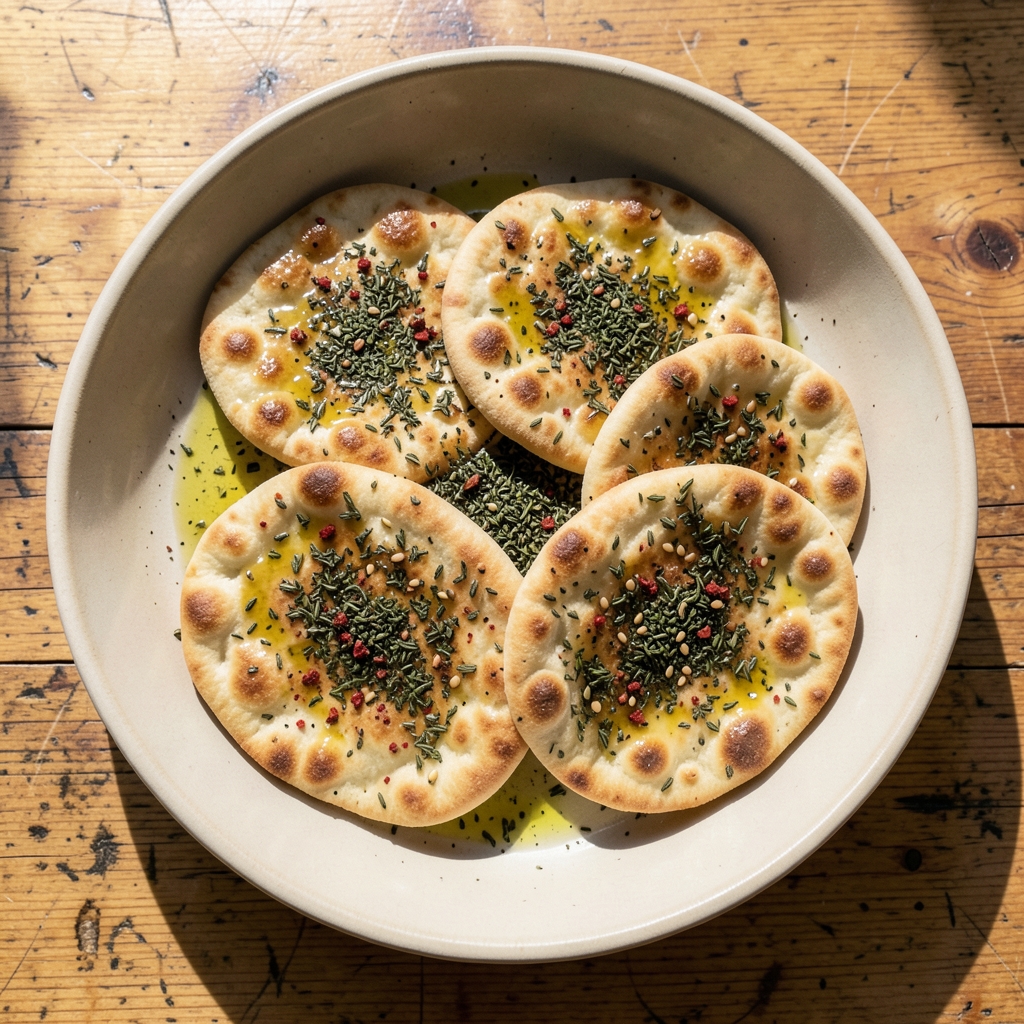
Mastering an Arabic bread recipe without yeast transforms your kitchen into a Middle Eastern bakery in just 10 minutes—no waiting for dough to rise, no fuss, just layers of crispy perfection.
This traditional technique relies on baking soda for lift, creating flatbreads with a tender interior and shatteringly thin, flaky edges that separate effortlessly. I perfected this method after years of testing, and it’s now my go-to for weeknight meals or special occasions.
The secret lies in the dough’s simplicity: just flour, water, salt, and a pinch of baking soda, with optional olive oil for richness.
You’ll roll it paper-thin, brush with oil, and cook on a hot griddle or in a preheated oven until golden—no yeast, no waiting, just flaky layers that rival artisanal bakery bread. This recipe works for khobz, markook, or any traditional flatbread, adapting to your favorite variations.
What you’ll achieve is bread so light it practically dissolves on your tongue, yet sturdy enough to wrap around kebabs or dip into hummus. The aroma alone—warm, buttery, with just a hint of char—will have everyone at the table asking for seconds.
This is the kind of bread that elevates any meal without stealing the spotlight.
Whether you’re serving it with grilled meats, dipping it into olive oil and za’atar, or using it as a wrap, this recipe delivers restaurant-quality results in minutes. Let’s get started with a method that’s as culturally rich as it is foolproof.
Ingredients for arabic bread recipe without yeast
Four simple staples transform into flaky, restaurant-quality Arabic bread in minutes.
| Ingredient | Amount | Notes |
|---|---|---|
| All-Purpose Flour 🌾 | 3 cups | Plus 2 tbsp extra for dusting |
| Baking Soda 🍞 | ½ tsp | Pure, not baking powder |
| Fine Sea Salt 🧂 | 1 tsp | Diamond Crystal preferred |
| Extra-Virgin Olive Oil 🫒 | ¼ cup | High-quality, fruity variety |
| Warm Water 💧 | 1 ¼ cups | 110°F for best results |
| Za'atar Seasoning 🌿 | 1 tbsp | Optional for flavor |
| Semolina Flour 🌾 | ¼ cup | For dusting and coating |
The flour is non-negotiable here—King Arthur or Gold Medal give the best texture. I always buy my baking soda from Whole Foods to ensure it’s pure (no fillers), and Diamond Crystal kosher salt dissolves perfectly without graininess. Olive oil should be extra-virgin with a peppery kick—California Gold is my go-to. Warm water is key: too hot and the dough won’t activate properly, too cold and the baking soda won’t work. Test it by touching your finger to it—it should feel like bathwater. For za’atar, Bella Italia or Al Wadi brands have the best balance of sesame, sumac, and oregano.
No baking soda? Baking powder at half the amount works in a pinch, but the flavor won’t be quite the same. Olive oil substitute? Melted ghee or neutral oil keeps the bread tender. Running short on semolina? All-purpose flour works fine—just don’t expect that signature crunch. The dough should be soft but not sticky; if it’s too dry, add a teaspoon of water. If too wet, add a tablespoon of flour. And trust me on this: don’t skip the warm water. Cold water makes for dense, flat bread.
This dough keeps for 2 days wrapped in plastic in the fridge, but it’s best used fresh. For longer storage, freeze portions for up to 3 months—thaw at room temperature before rolling. I like to make a double batch and freeze half; it’s perfect for spontaneous dinners. The bread reheats beautifully in a 350°F oven for 3-5 minutes to restore its crisp edges. Store leftovers in a paper bag to keep them soft.
Why You’ll Love This Recipe
- No Yeast, No Stress: I’ve made this bread on days when I forgot yeast and when I was too tired to wait. Mix flour, baking soda, salt, olive oil, and warm water—let it rest 10 minutes, then bake. That’s it. No kneading, no proofing, no drama.
- Olive Oil Magic: The extra-virgin olive oil gives it a rich, buttery depth without butter. That crispy crust? It’s all from the baking soda’s lift and the oil’s golden sheen. Honestly, the first time I tasted it, I thought I’d overcomplicated things—then I had seconds.
- Weeknight Workhorse: This bread is my go-to for dipping in hummus, scooping up stews, or even toasted with za’atar. It reheats perfectly in a toaster or oven, so I bake a batch on Sundays and it lasts me all week. (Yes, even on a Tuesday night.)
- Pantry Staple Power: Three ingredients—flour, baking soda, salt—are probably already in your cupboard. The olive oil? You’re using it for everything else. Budget-friendly, shelf-stable, and ready in under 30 minutes. My college-student self would’ve cried happy tears.
Step-by-step instructions for Arabic bread without yeast
Here’s how to achieve restaurant-quality flaky layers in under ten minutes—no yeast, no waiting.
Create the Dough Base
In a large mixing bowl, combine the 3 cups all-purpose flour, 0.5 teaspoon baking soda, and 1 teaspoon fine sea salt. Whisk these dry ingredients together for about 20 seconds until evenly distributed. This ensures your bread rises properly and has consistent flavor throughout.
Next, add the 0.25 cup extra-virgin olive oil and the 1 tablespoon za’atar seasoning (if using). Using a wooden spoon or rubber spatula, mix these ingredients into the dry flour until you have a coarse crumb texture. This step is crucial—it prevents lumps and helps create that signature flaky texture later. The za’atar adds a fragrant, nutty depth that’s essential for authentic flavor.
Incorporate Warm Water
Gradually pour in the 1.25 cups warm water (about 110°F) while mixing continuously. The water should be warm enough to dissolve the baking soda but not hot enough to cook the flour. You’re aiming for a thick, shaggy dough that’s still slightly sticky but manageable. If it feels too wet, add 1 tablespoon more all-purpose flour—this dough needs to hold its shape when rolled.
Once combined, let the dough rest for 5 minutes at room temperature. This brief resting period allows the flour to fully hydrate and the baking soda to activate completely. You’ll notice the dough becoming slightly smoother and more cohesive—this is your signal it’s ready for the next step. Don’t skip this; it’s what guarantees those perfect flaky layers.
Roll and Layer the Dough
Lightly dust a clean work surface with semolina flour and transfer the dough onto it. Gently pat the dough into a 12-inch square about ½-inch thick. Using a rolling pin, roll the dough out as evenly as possible—press down firmly but don’t overwork it. The goal is to create a uniform thickness that will layer beautifully when folded.
Sprinkle 2 tablespoons semolina flour evenly over the rolled dough, then use a sharp chef’s knife to cut the square into 9 equal rectangles (about 4-inch by 3-inch each). This is where the magic happens—carefully lift each rectangle and fold it into thirds, like a letter. Stack all 9 folded rectangles on top of each other in a single pile. The folds create those signature flaky layers that make this bread so special.
Shape and Bake for Maximum Flakiness
Gently press the stacked dough rectangles together to form a single loaf. Shape it into a 12-inch long oval about 2 inches wide, sealing the edges firmly. Place the shaped loaf on a parchment-lined baking sheet and let it rest for 5 minutes while you preheat your oven to 425°F. This final rest ensures the layers stay intact during baking.
Bake the bread for 10-12 minutes until the top is deep golden brown and the internal temperature reaches 190°F. You’ll know it’s done when it sounds hollow when tapped on the bottom. The edges should be crisp while the interior remains tender. Immediately transfer the bread to a wire rack to cool for 5 minutes—this prevents sogginess and lets those flaky layers set properly.
Pro Tips For Making Arabic Bread Recipe Without Yeast
- Mix the Dough Fast: I learned this the hard way—kneading by hand with baking soda dough is a losing battle. Use a stand mixer with the paddle attachment for 1-2 minutes at medium speed until the dough just comes together. Overmixing makes it tough, and underworking it won’t hold its shape.
- Use Warm, Not Hot Water: Cold water? Forget it. Room temp? Close, but not quite. Fill your measuring cup with water straight from the tap, then let it sit for 5 minutes until it’s warm to the touch (about 90°F/32°C). Too hot and the baking soda activates prematurely; too cold and the dough won’t rise properly.
- Rest the Dough 30 Minutes: Skipping this step is how you end up with dense, sad bread. After mixing, let the dough sit covered for 30 minutes—no more, no less. This lets the baking soda fully dissolve and the gluten relax. I know, I know, but trust the process—your future self will thank you.
- Shape Loaves Tightly: Don’t be gentle here. Press the dough firmly into your pan, smoothing the top with wet fingers to seal any cracks. If you’re free-forming, roll it into a tight log and tuck the ends under. Loose dough spreads unevenly and burns before it’s done—tight shaping guarantees even baking.
Serving suggestions for arabic bread recipe without yeast
Dipping Essentials
Serve your fresh Arabic bread with a hummus platter featuring classic flavors like roasted garlic, carrot-citrus, and spicy harissa hummus. I recommend Sabra Classic Hummus or Whole Foods‘ Organic Hummus for the best texture.
Pair with olive oil drizzled generously—use California Gold or Colavita for that fruity, peppery kick. Add a sprinkle of sumac and toasted pine nuts for crunch and tang. 💛
Meat Pairings
This bread is legendary with grilled lamb kebabs—marinate 1.5 lbs lamb shoulder in lemon juice, garlic, cumin, and olive oil for 4 hours before grilling. For chicken lovers, try shawarma-spiced chicken thighs cooked on a vertical spit or skillet.
I also love serving it with baked falafel—use Bob’s Red Mill chickpea flour for the best texture. The crispy edges soak up every juicy bite perfectly.
Vegetarian Spreads
Create a Mediterranean veggie tray with roasted eggplant, zucchini, and bell peppers tossed in lemon-olive oil dressing. Add marinated artichoke hearts and kalamata olives for briny contrast. For a protein boost, include white bean dip made with cannellini beans, tahini, and fresh dill.
The bread’s flaky layers hold up beautifully to these spreads without getting soggy.
Breakfast Serving
Turn this bread into a Moroccan-style breakfast by serving it with scrambled eggs cooked with saffron and fresh cilantro. Add a side of labneh (strained yogurt) and za’atar-spiced tomatoes.
For a sweet twist, offer date and walnut stuffing—simply mix pitted Medjool dates, chopped walnuts, and a pinch of cinnamon, then fold into warm bread. The contrast of sweet and savory is pure magic. 🌟
Wine & Beverage Pairings
For red wine lovers, a Syrah from Lebanon like Château Musar complements the bread’s earthy flavors beautifully. White wine fans should try a crisp Assyrtiko from Greece—its citrus notes cut through the richness.
For non-alcoholic options, sparkling pomegranate juice or minty hibiscus tea (served chilled) are refreshing choices. I always keep a glass of cold water with lemon slices on the table for cleansing between bites.
Garnish Like a Pro
Elevate your serving with fresh herbs—sprinkle chopped parsley or dill over the bread for a pop of color. A drizzle of extra-virgin olive oil right before serving adds a luxurious finish. For a smoky touch, lightly dust with smoked paprika or za’atar.
I also love adding toasted sesame seeds for extra crunch. These simple garnishes take your presentation from good to restaurant-worthy. ✨
Nutrition facts
Frequently asked questions
Why does this Arabic bread recipe use baking soda instead of yeast?
Baking soda creates instant lift without waiting for fermentation, delivering those signature flaky layers in just 10 minutes. Unlike yeast, it reacts immediately with warm water, producing carbon dioxide for rise while keeping the bread light and tender—perfect for traditional flatbreads like khobz or markook.
Can I make this bread without semolina flour?
Replace semolina with all-purpose flour for dusting and rolling, though you’ll lose the signature crunch. For best results, use 1-2 tablespoons extra flour when shaping to prevent sticking. The texture will still be delicious, just slightly less crisp on the edges.
What’s the secret to getting those perfect flaky layers?
Folding the dough into thirds before baking creates the layers—like a letter-fold—while the baking soda ensures even rise. Roll the dough paper-thin, stack the folds tightly, and bake at 425°F for crisp edges. Resting the dough for 5 minutes before baking also helps the layers set properly.
How do I store leftover Arabic bread?
Keep it fresh in a paper bag at room temperature for 1-2 days to maintain crispness. For longer storage, freeze portions for up to 3 months—thaw at room temperature and reheat in a 350°F oven for 3-5 minutes to restore crisp edges. Avoid plastic bags to prevent sogginess.
Can I use this dough for wraps or pita?
Yes! Shape individual portions into 6-inch circles before baking for pita-style bread. For wraps, roll out the dough thinner and cook on a hot griddle until puffed. The same dough works for both—just adjust the size and cooking time to your preference.

- Bariatric Jello Recipe Without Video: Protein-Packed Gelatin for Safe Healing - November 8, 2026
- Aunt Jemima Cornbread Mix Recipe: Moist and Crumbly With Buttery Flavor - November 8, 2026
- Duncan Hines Red Velvet Cake Recipe: Classic Moist Layers and Cream Cheese Frosting - November 7, 2026