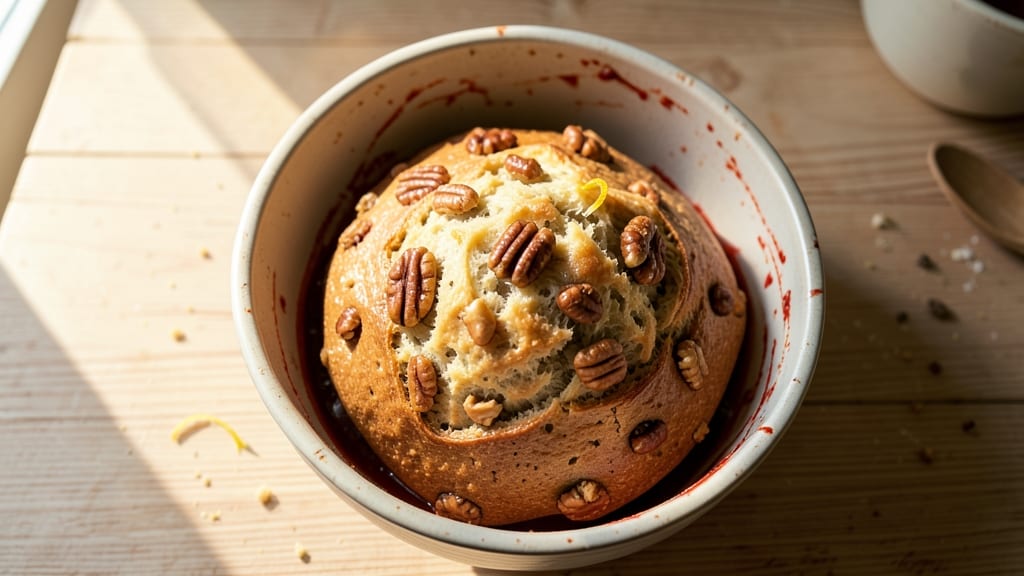
This applesauce nut bread recipe delivers a moist, spice-kissed loaf with minimal effort—no complicated steps, just rich flavor and tender crumb. I perfected it after years of testing, ensuring every slice stays soft for days, thanks to the applesauce’s natural moisture and walnuts’ subtle crunch.
The cinnamon and nutmeg create that classic spiced warmth without overpowering the bread’s gentle sweetness.
The beauty of this recipe lies in its simplicity: just 10 ingredients and 30 minutes of active time before baking. Applesauce replaces oil for a lighter texture, while brown sugar adds depth, and a touch of vanilla rounds out the flavors.
Even beginners can master this—no fancy techniques, just precise measurements and patience for the perfect rise.
What you’ll end up with is a golden-brown loaf with a crackly top and moist interior, where every bite balances sweetness, spice, and nutty richness. The aroma alone will fill your kitchen with comfort, and the texture stays tender for days, making it ideal for breakfast, snacks, or gifts.
This is the kind of bread that disappears too quickly.
For extra flair, try adding raisins or swapping walnuts for pecans. The recipe also adapts well to dietary needs—just ask in the tips section. Let’s bake this foolproof loaf together.
Ingredients for applesauce nut bread recipe easy
Ten simple ingredients transform into a tender, spice-infused loaf with minimal effort.
| Ingredient | Amount | Notes |
|---|---|---|
| Unsalted Butter 🧈 | ½ cup | Softened to room temperature |
| Unsweetened Applesauce 🍎 | ½ cup | Unsweetened, unsalted preferred |
| Brown Sugar 🍚 | ¾ cup | Packed firmly for accuracy |
| Granulated Sugar 🍚 | ¼ cup | White sugar, fine grain |
| Large Eggs 🥚 | 2 whole | Room temperature for even mixing |
| Pure Vanilla Extract 🍯 | 1 tbsp | High-quality, imitated-free |
| All-Purpose Flour 🌾 | 1 ½ cups | Sifted for light texture |
| Walnuts 🌰 | 1 cup | Chopped, toasted for depth |
| Ground Cinnamon 🌿 | 2 tsp | Freshly ground preferred |
| Ground Nutmeg 🌿 | ½ tsp | Finely ground for warmth |
| Baking Soda 🧂 | ½ tsp | Freshly opened for lift |
| Salt 🧂 | ½ tsp | Fine sea salt preferred |
The walnuts are non-negotiable for texture—toasted and chopped for maximum flavor. Costco or Trader Joe’s offer the best prices for bulk walnuts, but any grocery store carries them. Toasting enhances their natural oils, which keeps the bread moist longer. For cinnamon and nutmeg, Penzeys or Spicewalla provide premium quality, but the bulk bins at Whole Foods are a budget-friendly alternative. Always check the expiration date on spices, as they lose potency quickly. The unsalted butter should be room temperature when measured to ensure even mixing, and unsweetened applesauce prevents any unwanted sweetness from skewing the balance.
No walnuts? Pecans or almonds work equally well, though they alter the flavor profile slightly. Substituting applesauce with mashed banana adds natural sweetness but introduces moisture variability—adjust flour if the batter seems too wet. For a dairy-free option, unsweetened applesauce and coconut oil replace butter, though texture may differ slightly. The vanilla extract should be pure, not imitation, as artificial flavors can overpower the delicate spice notes. If you lack brown sugar, white sugar plus a pinch of molasses replicates its depth. Always sift the flour to avoid dense pockets in the final loaf.
Store the baked loaf in an airtight container at room temperature for up to 3 days, though it’s best enjoyed within 24 hours for peak freshness. For longer storage, wrap tightly in plastic and refrigerate for 5-7 days or freeze for up to 3 months. Reheat slices in a toaster or oven at 350°F for 5-10 minutes to restore crispness. The bread reheats beautifully, making it ideal for meal prep. Slice before storing to maintain moisture, and avoid stacking too high to prevent squashing.
Why You’ll Love This Recipe
- No Mixer Needed: Mixing this dough is so easy—just cream the butter and sugars, then fold in the applesauce until it’s light and fluffy. Honestly, I’ve made it with my hands, a fork, and even a spoon when I was in a rush, and it still turns out perfect.
- Sweet & Spiced Magic: That combo of brown sugar and unsweetened applesauce gives it a caramel-like richness without being cloying. The eggs keep it moist, so every slice tastes like a hug—especially when it’s still warm from the oven.
- Breakfast or Snack Hero: I swear by this for quick breakfasts, lunchboxes, or even dessert with a smear of peanut butter. It’s sturdy enough to pack but soft enough to eat straight from the pan—no reheating required.
- Budget-Friendly Staple: Applesauce stretches the butter and sugar, so you’re not drowning in ingredients. A single loaf lasts my family days, and I’ve even frozen slices for last-minute toast. Minimal cost, maximum satisfaction.
Step-by-step instructions for applesauce nut bread
This simple method delivers a perfectly moist, spiced loaf every time—no complicated techniques required.
Cream Butter and Sugars Together
In a large mixing bowl, combine the 0.5 cup unsalted butter (softened to room temperature) with the 0.75 cup brown sugar and 0.25 cup granulated sugar. Using a hand mixer or stand mixer on medium speed, beat the mixture for 3-4 minutes until light and fluffy, with a ribbed texture that nearly doubles in volume. This creaming process incorporates air, which creates that signature tender crumb in the finished bread.
I press down gently on the butter mixture after 2 minutes to check for proper aeration—the mixture should feel light and airy, not dense. If it still feels heavy, continue beating for another minute. The reason we wait until the butter is fully softened is that cold butter won’t incorporate air properly, leading to a denser loaf.
Add Applesauce, Eggs, and Vanilla
Reduce the mixer speed to low and gradually add the 0.5 cup unsweetened applesauce, mixing just until combined. The applesauce helps keep the bread moist while adding natural sweetness. Next, add the 2 whole large eggs (room temperature) one at a time, mixing well after each addition. Finally, stir in the 1 tablespoon pure vanilla extract until fully incorporated.
Here’s the thing—don’t overmix at this stage. You’re looking for a smooth, slightly thick batter that still has a few streaks of flour visible. Overmixing develops gluten, which can make the bread tough. The batter should coat the back of a spoon but still be pourable. If it’s too thick, add 1 tablespoon of water to loosen it slightly.
Fold in Dry Ingredients and Walnuts
In a separate bowl, whisk together the 1.5 cups all-purpose flour, 2 teaspoons ground cinnamon, 0.5 teaspoon ground nutmeg, 0.5 teaspoon baking soda, and 0.5 teaspoon salt. Gradually add this dry mixture to the wet ingredients, mixing on low speed just until combined. Avoid overmixing—you should still see small flour streaks. Finally, fold in the 1 cup chopped toasted walnuts using a spatula, ensuring even distribution throughout the batter.
I always toast the walnuts first in a dry skillet over medium heat for 3-4 minutes until fragrant and lightly golden. This enhances their flavor and prevents them from becoming soggy during baking. The walnuts should be cool before adding to the batter to maintain the proper texture.
Bake in a Prepared Loaf Pan
Preheat your oven to 350°F. Lightly grease a 9×5-inch loaf pan and dust it with flour, tapping out any excess. Pour the batter into the prepared pan and smooth the top with a spatula. Bake for 50-55 minutes, or until a toothpick inserted into the center comes out clean and the top is golden brown.
Don’t be tempted to open the oven door before the 40-minute mark—this prevents the bread from rising properly. The applesauce makes this bread particularly prone to sinking if disturbed too early. When you do check, the edges should pull away slightly from the pan, and the top should have a golden crust with a few cracks forming.
Cool and Serve for Maximum Moisture
Remove the bread from the oven and let it cool in the pan for 10 minutes. Then transfer it to a wire rack to cool completely. This resting period allows the bread to set properly and prevents it from becoming gummy. The bread is best served at room temperature, though it’s delicious warm with a pat of butter.
For the moistest results, store any leftovers wrapped in plastic wrap or in an airtight container. I like to slice it while still slightly warm—this ensures every bite has that perfect balance of tender crumb and chewy walnut texture. This bread keeps well for up to 5 days at room temperature or can be frozen for up to 3 months.
Pro Tips For Making Applesauce Nut Bread Recipe Easy
- Cream Butter Slowly: I learned this the hard way—dumping cold butter into warm applesauce makes greasy clumps that ruin texture. Soften butter first, then mix it into the applesauce in small batches while stirring constantly. The goal is to get it smooth enough to see through, not just blended.
- Use Cold Eggs: Room-temperature eggs? Skip it. Cold eggs mix better into the batter and prevent the bread from rising too fast in the oven, which leads to a dense, gummy center. Crack them straight from the fridge into a bowl first.
- Don’t Overmix: This batter is forgiving, but once you add flour, stop stirring after 10 seconds. Overmixing develops gluten, and you’ll end up with a tough, chewy loaf instead of that tender, moist crumb you’re after. Just fold until combined.
- Bake Until Golden: That internal temp of 190°F (88°C) is your friend, but don’t ignore the crust. The bread should be deep golden brown on top—like caramelized sugar—before pulling it out. If it’s pale, broil for 2 minutes at the end (watch it like a hawk).
Storing and reheating this recipe
Room-Temp Storage
Your freshly baked applesauce nut bread stays moist for 3 days at room temperature when stored in an airtight container—I use Glasslock containers because they seal tightly and prevent drying. Wrap the loaf in plastic wrap first, then place it in the container to lock in moisture.
Slice before storing to maintain that perfect texture, and avoid stacking slices too high to prevent squashing.
Fridge Preservation
For longer storage, refrigerate the bread in the same airtight container for up to 5-7 days. The cold slows moisture loss, but the texture will firm up slightly.
To revive it, wrap slices in a damp paper towel and microwave for 10-15 seconds—this restores the softness without drying it out. I always reheat individual portions to keep the rest of the loaf fresh.
Freezer-Friendly Tips
Freeze the bread in slices for convenience—wrap each slice tightly in plastic wrap, then place them in a freezer bag with all the air squeezed out. This prevents freezer burn and keeps the bread tasting fresh for up to 3 months.
Label the bag with the date to track freshness. When ready to eat, thaw overnight in the fridge or reheat directly from frozen in the oven at 350°F for 10-12 minutes.
Reheating Perfection
For the best results, reheat slices in a toaster for 1-2 minutes until golden and crisp. If using the oven, wrap the slices in aluminum foil and bake at 350°F for 8-10 minutes—this traps steam and restores moisture.
A quick fix? Microwave slices for 5-8 seconds on high, then press between two paper towels to absorb excess moisture. The goal is to revive the bread’s warmth and texture without making it gummy.
Reviving Stale Bread
If your bread loses moisture, don’t toss it! Spritz slices with water and reheat in a skillet over low heat for 2-3 minutes until crisp. For a dessert twist, toast stale slices and top with Greek yogurt and honey—the spices in the bread pair beautifully with the sweetness.
This trick works for any leftover bread, not just this recipe. 💡
Nutrition facts
Frequently asked questions about applesauce nut bread
Can I substitute applesauce with another fruit puree?
Yes, but results may vary. Mashed banana adds natural sweetness but increases moisture—reduce flour by 1 tablespoon if needed. Pumpkin puree works well for a fall twist, though it alters the flavor profile. Stick with unsweetened varieties to avoid altering the bread’s balance.
Why did my bread turn out dense instead of moist?
Overmixing develops gluten, making the bread tough. Ensure you mix dry ingredients just until combined and avoid overbeating the butter-sugar mixture. Also, check your baking soda—old baking soda loses lift. For extra moisture, brush the top with melted butter during the last 5 minutes of baking.
How can I make this bread gluten-free?
Replace all-purpose flour with a 1:1 gluten-free baking flour blend (like Bob’s Red Mill) and add ½ teaspoon xanthan gum to improve texture. Reduce baking soda to ¼ teaspoon and increase baking time by 5-10 minutes to prevent sinking. Test with a toothpick for doneness.
Can I use this recipe for muffins instead of bread?
Divide the batter among 12 greased muffin cups (fill ⅔ full) and bake at 375°F for 18-20 minutes. The muffins will be denser but still flavorful. For extra height, add ½ teaspoon baking powder to the dry ingredients. Perfect for breakfast or snacks!
What’s the best way to toast the walnuts?
Spread 1 cup walnuts on a baking sheet and toast in a 350°F oven for 8-10 minutes until fragrant and lightly golden. Or, dry-toast in a skillet over medium heat for 3-4 minutes, stirring constantly. Let cool completely before adding to the batter to prevent excess moisture.

- Philadelphia Cooking Cream Recipe: Thick, Velvety Base for Casseroles - November 8, 2026
- Roasted Boston Butt Recipe: Slow-Smoked Tenderness With Crispy Bark - November 8, 2026
- Jello Cooked Banana Pudding Recipe: Warm, Silky Layers With Vanilla Kiss - November 8, 2026