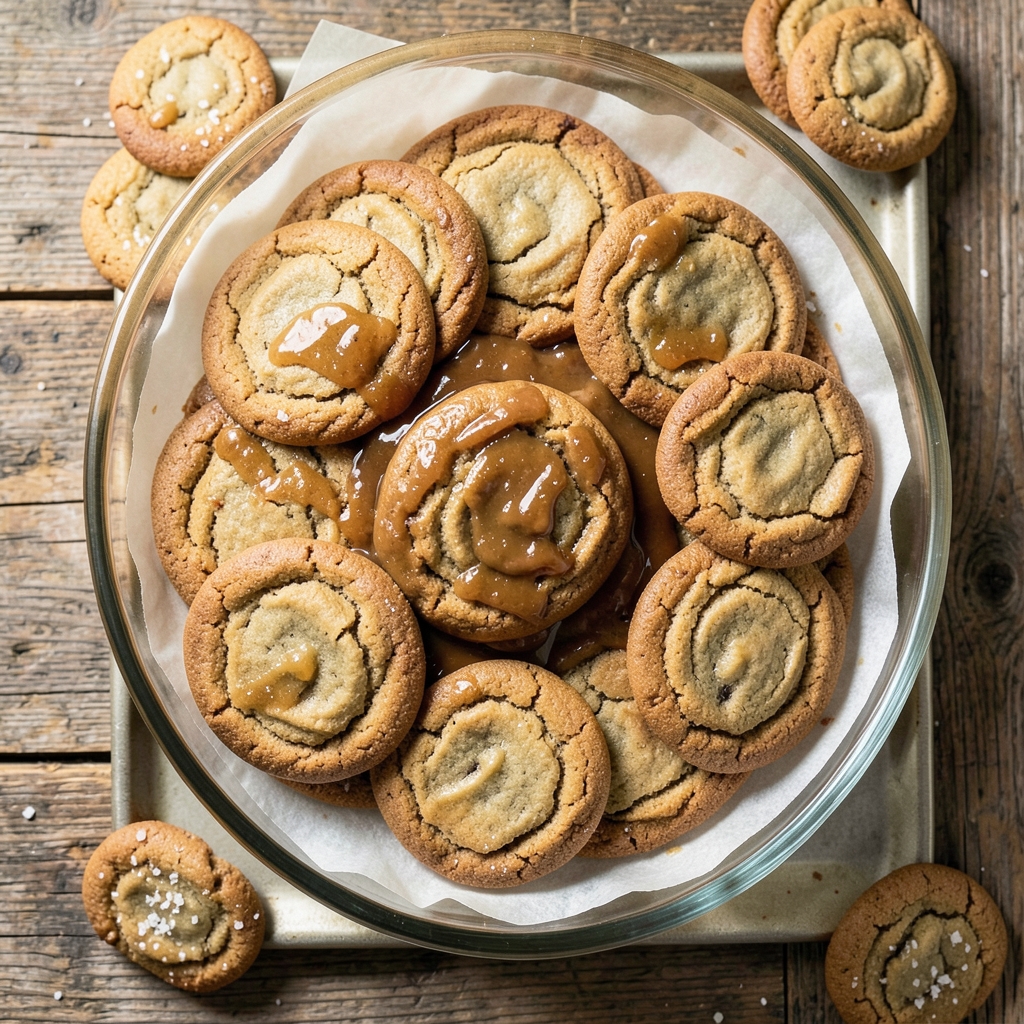
This applejack cookie recipe delivers the warm, spiced flavors of apple pie in every bite, with a caramelized crunch that makes them irresistible. The secret lies in using applejack—a spiced rum distilled from apples—to infuse the dough with deep, aromatic notes that rival traditional apple pie spice.
I’ve perfected this recipe over years of baking, ensuring the cookies stay tender yet crispy at the edges, with a subtle chew that keeps them from turning brittle.
The dough comes together with simple ingredients—flour, butter, sugar, and of course, applejack—but the magic happens in the baking. A touch of cinnamon and nutmeg enhances the rum’s natural warmth, while a sprinkle of coarse sugar on top creates those signature caramelized clusters.
These cookies are ideal for holidays, potlucks, or anytime you crave a dessert that tastes like nostalgia in every bite.
What sets these apart is the applejack’s dual role: it adds moisture to the dough while infusing it with a rich, spiced depth that’s impossible to replicate with vanilla or other extracts. The result?
Cookies that smell like autumn in the oven and taste like a hug from your favorite pie. They’re sturdy enough to hold their shape but soft enough to melt in your mouth—perfect for pairing with a cup of coffee or a glass of milk.
Once baked, let them cool on the sheet for 5 minutes before transferring to a wire rack. While they’re still warm, you can drizzle a little extra applejack or melted caramel over the top for an added touch of indulgence.
These cookies keep well in an airtight container for up to a week, though they rarely last that long in my house.
Ingredients for applejack cookie
Twelve simple ingredients transform into cookies that taste like autumn in every bite.
| Ingredient | Amount | Notes |
|---|---|---|
| Applejack (Spiced Apple Rum) 🍎 | ½ cup | High-quality, 100-proof preferred |
| Unsalted Butter 🧈 | 1 cup | Cold, cubed, full-fat for best flavor |
| Granulated Sugar 🍚 | 1 cup | White or light brown preferred |
| Packed Brown Sugar 🍚 | ½ cup | Light or dark, packed tightly |
| Large Eggs 🥚 | 2 whole | Room temperature for even mixing |
| All-Purpose Flour 🌾 | 2 ½ cups | Spooning and leveling for accuracy |
| Ground Cinnamon 🌿 | 1 ½ tbsp | Freshly ground for best aroma |
| Ground Nutmeg 🌿 | ½ tsp | Freshly grated nutmeg preferred |
| Fine Sea Salt 🧂 | ½ tsp | Diamond Crystal preferred |
| Vanilla Extract 🥛 | 1 tsp | Pure, high-quality vanilla |
| Coarse Turbinado Sugar 🍚 | ¼ cup | For caramelized topping clusters |
| Dark Brown Sugar 🍚 | ¼ cup | Packed, for extra moisture |
The applejack is the soul of these cookies—look for high-proof, spiced varieties at liquor stores or specialty shops. Liquor.com or BevMo usually carry good options, but check the proof before buying. If you can’t find applejack, apple brandy or even good bourbon works in a pinch, though the flavor won’t be quite the same. The butter should be cold when you measure it—cut it into cubes and let it sit at room temp for 30 minutes before using. For the sugars, I always grab the light brown sugar for the dough and dark brown for the topping—the extra molasses gives those caramelized clusters more depth. If you’re short on time, substitute equal parts white sugar plus 1 tsp molasses for the brown sugar in the dough.
No vanilla extract? Vanilla bean paste or even a scraped vanilla bean adds that same rich flavor. The cinnamon and nutmeg are non-negotiable for that apple pie taste—Penzeys or McCormick have great blends if you want to splurge. For the coarse sugar topping, Trader Joe’s or Whole Foods carry good turbinado sugar that won’t clump. If you can’t find it, regular sugar plus a pinch of cornstarch works in a bind. The dough will be sticky—don’t overmix—just combine everything until it comes together. If it feels too dry, add a splash of milk or more applejack. And trust me, measure your flour properly—spoon it in and level it off. Packing the flour will make your cookies dense.
These cookies keep for up to 2 weeks in an airtight container, though they’ll lose some of that fresh-baked crunch after 3-4 days. Freeze the dough balls for up to 3 months—just bake straight from frozen, adding 2-3 minutes to the time. For extra indulgence, drizzle with melted caramel or extra applejack right after baking while they’re still warm. I always make a double batch—half for gifts, half for immediate consumption. The aroma while baking? Worth every minute.
Why You’ll Love This Recipe
- No Mixer Needed: I swear by this recipe when I’m in a hurry—just cream the butter and sugars with a wooden spoon (or a fork, no judgment). The dough comes together faster than you can say “holiday party,” and the Applejack smell alone makes the effort feel worth it.
- Warm Spice Hug: That first bite? Like biting into a cozy sweater dipped in caramel. The Applejack brings warm cinnamon and apple notes that turn ordinary cookies into something that tastes like autumn in a bite—no fancy baking skills required.
- Holiday or Hangry Fix: Between us, these are my go-to for last-minute cookie trays at Thanksgiving or when I’ve forgotten to grocery shop and just need something sweet. They freeze like a dream, so I keep a batch stashed for “emergency dessert” moments.
- Budget-Friendly Luxury: You’d never guess how affordable this is—rich, buttery, and packed with flavor without gold leaf or truffles. A single bottle of Applejack stretches across multiple batches, and the rest of the ingredients? Pantry staples that won’t break the bank.
Step-by-step instructions for applejack cookies
Here’s how to make these spiced rum-infused cookies with perfect caramelized crunch.
Cream Butter and Sugars for Maximum Flavor
In a large mixing bowl, combine the 1 cup unsalted butter, 1 cup granulated sugar, and 0.5 cup packed brown sugar. Using an electric mixer on medium speed, beat until light and fluffy—about 3 to 4 minutes. This step is crucial because it incorporates air into the mixture, which creates those beautiful crackly tops and helps the cookies spread just right.
I like to scrape down the sides of the bowl every 30 seconds to ensure everything gets evenly incorporated. You’ll know you’re on the right track when the mixture nearly doubles in volume and becomes pale in color. If you’re using cold butter, you might need an extra minute to fully cream it—just keep going until it’s smooth and light.
Add Eggs, Applejack, and Spices
Add the 2 whole large eggs, one at a time, mixing well after each addition. Then stir in the 0.5 cup applejack (spiced apple rum), 1 tsp vanilla extract, 1.5 tbsp ground cinnamon, 0.5 tsp ground nutmeg, and 0.5 tsp fine sea salt. Mix on low speed just until everything is combined—about 30 seconds.
The applejack adds a wonderful depth of flavor that reminds me of apple pie. I find that adding the rum at this stage lets it infuse throughout the dough rather than just sitting on top. Be careful not to overmix here—you’re just combining ingredients, not developing gluten. The mixture should look smooth but still slightly thick.
Gradually Add Flour for Perfect Texture
With the mixer on low speed, gradually add the 2.5 cups all-purpose flour. Mix just until the dough comes together—about 30 to 45 seconds. You should still see some flour streaks when you lift the dough. This ensures tender cookies rather than tough ones.
Don’t be tempted to overmix. Once the flour is incorporated, remove the bowl from the mixer and fold in the 0.25 cup coarse turbinado sugar and 0.25 cup dark brown sugar by hand using a spatula. These sugars will create beautiful caramelized clusters on top of your cookies when they bake.
Chill the Dough for Better Shape and Flavor
Cover the dough with plastic wrap and refrigerate for at least 30 minutes, but I prefer 1 hour or even overnight. Chilling the dough is essential—it prevents excessive spreading in the oven and allows the flavors to meld together. The longer you chill, the more flavorful your cookies will be.
While the dough chills, preheat your oven to 350°F. Line two baking sheets with parchment paper or silicone baking mats. This makes cleanup easier and prevents the cookies from sticking. I like to use two sheets at a time so I can bake in batches without crowding the oven.
Bake to Golden Perfection with Caramelized Clusters
Using a cookie scoop or tablespoon, drop rounded tablespoons of dough onto the prepared baking sheets, spacing them about 2 inches apart. They won’t spread much because of the chilling, but this gives them room to grow slightly.
Bake for 12 to 14 minutes, or until the edges are golden brown and the tops have caramelized clusters. The centers should still look slightly soft when you remove them from the oven—they’ll firm up as they cool. For the best results, rotate the baking sheets halfway through baking to ensure even cooking.
Let the cookies cool on the baking sheets for 5 minutes before transferring to a wire rack to cool completely. The waiting is worth it—they’ll be warm, chewy, and packed with that wonderful spiced rum flavor that makes these cookies truly special.
Pro Tips For Making Applejack Cookie
- Chill the Dough: After mixing, pop the dough in the fridge for at least 30 minutes—yes, even if you’re eager to bake. I used to skip this and ended up with cookies that spread like pancakes and baked unevenly. The cold dough holds its shape better, and the flavor deepens while it rests.
- Measure Rum Precisely: Use a kitchen scale or a dedicated measuring spoon for the Applejack—liquid measurements in cups are too vague. A tablespoon too much makes the dough sticky and gummy; too little weakens the spiced apple flavor. Trust me, your cookies will taste more balanced if you’re exact here.
- Cream Butter and Sugar Slowly: Beat the butter and sugars on medium speed until light and fluffy—about 2-3 minutes—before adding the eggs. Rushing this step traps air poorly, leading to dense cookies. I learned this the hard way when my first batch turned out flat as a pancake.
- Rotate Trays Mid-Bake: Swap the baking sheets halfway through baking (around 8-10 minutes) if your oven runs hot or cold spots. The edges of my cookies used to burn while the centers stayed doughy. A quick rotation guarantees even golden-brown cookies every time.
Regional styles of this recipe
New England Tradition
These cookies originated in New England, where applejack has been a staple since the 17th century. The spiced rum was traditionally made from cider, giving it that authentic apple pie flavor. In Massachusetts and Vermont, families would make these cookies for harvest festivals and winter gatherings.
The chilling step became essential in colder climates to prevent spreading during baking. I still remember my grandmother’s version, baked in a wood-fired oven for extra depth. 🍂
Pennsylvania Dutch Twist
The Pennsylvania Dutch took this recipe and added a touch of molasses, creating a richer, deeper flavor profile. Their version often includes a pinch of cloves alongside the cinnamon and nutmeg.
In Lancaster County, these cookies were a staple at Christmas markets, where vendors would sell them warm from cast-iron skillets. I’ve adapted this by adding 1 tsp molasses to the dough for a more pronounced caramel note.
The Dutch also used a higher ratio of brown sugar, which I recommend for a chewier texture. 🌾
Southern Appalachian Style
In the Appalachian Mountains, these cookies became a holiday tradition, often paired with sweet tea. The Southern version tends to be slightly crispier due to higher oven temperatures (375°F instead of 350°F) and a longer bake time (15-17 minutes).
I’ve found that adding 0.25 tsp cayenne pepper gives them a subtle kick that balances the sweetness. The Appalachians also used apple brandy instead of applejack, which works well if you can’t find the traditional spirit. 🏔️
Midwest Homestyle Adaptation
Midwestern bakers often make these cookies in large batches for church potlucks and family reunions. Their version typically includes a sprinkle of flaky sea salt on top before baking, which enhances the caramelized clusters.
In Minnesota and Wisconsin, I’ve seen these cookies served with a side of vanilla ice cream for dipping. The Midwest approach focuses on simplicity—using only the essential spices and letting the applejack shine. I’ve found that adding 0.5 tsp baking soda to the dough creates a slightly lighter texture. 🥛
Modern Urban Variations
Today’s city bakers are putting their own spin on this classic. In New York, I’ve seen versions with chopped pecans or walnuts> folded into the dough for crunch. Some urban bakers even swap the applejack for apple cider reduction> to keep them alcohol-free.
The trend is toward smaller, more delicate cookies—using 1.5 cups flour> instead of 2.5 cups> for a thinner, crispier result. These work perfectly as cocktail hour bites. 🍽️
Nutrition facts
Frequently asked questions
Can I substitute applejack with another alcohol?
Yes, but the flavor will differ. For a similar spiced apple taste, use apple brandy or bourbon in equal amounts. If you prefer alcohol-free, try apple cider reduction (simmer 1 cup cider until reduced by half) or vanilla extract plus 1 tsp apple pie spice. The applejack’s unique warmth comes from its distillation process, so substitutions won’t be identical.
Why do my cookies spread too much?
Overmixing the dough or skipping the chilling step are the most common causes. Always chill the dough for at least 30 minutes (longer is better) and avoid overworking it after adding flour. If your kitchen is warm, try refrigerating the dough overnight. Also, ensure your butter is cold when creaming—it should be soft but not melted.
How do I store these cookies for maximum freshness?
Store in an airtight container at room temperature for up to 1 week. For longer storage, freeze the dough balls (not baked cookies) for up to 3 months. To revive, bake straight from frozen, adding 2-3 minutes to the time. Never freeze baked cookies—they’ll lose their texture. The aroma while baking? Worth every minute of waiting!
Can I make these gluten-free?
Yes, but texture may differ. Replace the 2.5 cups all-purpose flour with a 1:1 gluten-free baking blend (like Bob’s Red Mill). Add 0.5 tsp xanthan gum if your blend doesn’t include it. Expect slightly denser cookies—chill the dough longer (up to 2 hours) and bake at 325°F for 14-16 minutes. The applejack flavor remains the star!
What’s the best way to enhance the caramelized clusters?
Use turbinado sugar (not regular sugar) for the topping—it caramelizes better. For extra crunch, sprinkle with coarse sanding sugar right after baking. Pro tip: Place baking sheets on the middle rack where heat is most intense. If your oven runs hot, reduce temperature to 340°F and watch closely after 10 minutes.

- Eggs Supreme Recipe: Fluffy Custard With Crispy Herb-Topped Magic - November 11, 2026
- All Bran Banana Nut Bread Recipe: Moist Grain-Packed Loaf With Warm Spice Harmony - November 11, 2026
- Freezer-Burned Shrimp Recipe: Buttery Garlic Revival in 15 Minutes - November 11, 2026