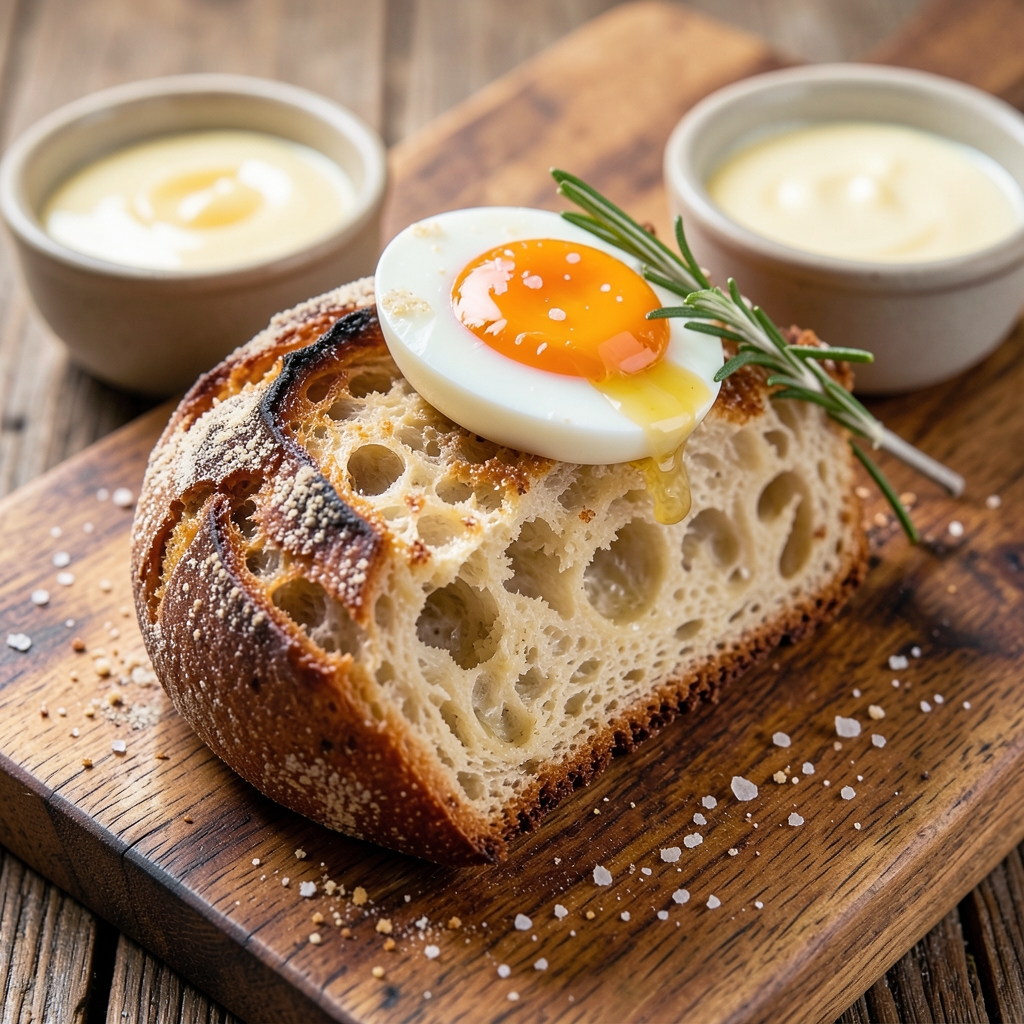
This Antigua bread recipe brings the Caribbean’s signature sweetness and texture to your kitchen—where crisp coconut crust meets tender, buttery centers. 🌴 The bread’s origins trace back to Antigua’s colonial history, where coconut flour and local ingredients created a dish that’s both simple and deeply flavorful.
What makes it special is the balance: the exterior stays delightfully crunchy while the inside remains soft and lightly sweetened, perfect for soaking up sauces or pairing with savory meals.
The recipe relies on just a handful of ingredients—flour, yeast, coconut, and a touch of sugar—to deliver that authentic Antigua taste. The coconut crust isn’t just for decoration; it adds a subtle sweetness and texture that sets this bread apart from standard loaves.
Baking it in a foolproof method ensures consistent results, whether you’re making it for a family dinner or a festive gathering. The aroma alone—warm, buttery, with hints of coconut—will have everyone anticipating the first bite.
Once baked, the bread’s golden crust gives way to a moist, slightly sweet interior that’s ideal for serving with soups, stews, or even as a standalone treat. It’s versatile enough for breakfast toast or a side dish that elevates any meal.
The recipe also allows for variations, like adding a pinch of cinnamon or reducing sugar for a lighter version. With just 30 minutes of active prep and 45 minutes of baking, you’ll have a loaf that tastes like a taste of the Caribbean.
For those who love baking with cultural roots, this recipe is a must-try. The simplicity of the ingredients belies the complexity of flavors, making it a professional-quality side dish that’s surprisingly easy to recreate at home.
Whether you’re hosting a dinner or craving a taste of Antigua, this bread delivers—crunchy, buttery, and full of island charm.
Ingredients for antigua bread
Just eleven ingredients transform your kitchen into Antigua’s sunlit bakeries—where golden crust meets buttery softness.
| Ingredient | Amount | Notes |
|---|---|---|
| All-Purpose Flour 🌾 | 3 ½ cups | Sifted for optimal texture |
| Active Dry Yeast 🍞 | 2 ¼ tsp | Freshly packaged for potency |
| Granulated Sugar 🍯 | ¼ cup | Light brown sugar for depth |
| Unsalted Butter 🧈 | ½ cup | Cold, cubed for even baking |
| Large Eggs 🥚 | 1 whole | Room temperature for blending |
| Whole Milk 🥛 | ½ cup | Warm for yeast activation |
| Shredded Coconut 🥥 | 1 ½ cups | Unsweetened, toasted lightly |
| Diamond Crystal Kosher Salt 🧂 | 1 ½ tsp | Fine grain for even distribution |
| Ground Cinnamon 🌿 | ½ tsp | Optional for subtle warmth |
| Vegetable Oil 🫒 | 1 tbsp | For greasing the pan |
| Granulated White Sugar 🍯 | 2 tbsp | For coconut crust coating |
The shredded coconut is non-negotiable here—opt for unsweetened, fine variety from Trader Joe’s or Bob’s Red Mill for authentic texture. Toast it lightly in a dry pan until fragrant (about 3 minutes) to deepen its flavor. Diamond Crystal kosher salt ensures even distribution without overpowering, while unsalted butter guarantees a rich, clean taste. For yeast, always use freshly opened packets—old yeast can compromise the rise. If your local store lacks unsweetened coconut, shred your own from a whole coconut for superior quality. The all-purpose flour should be sifted to eliminate lumps, ensuring a tender crumb.
No unsweetened coconut? Toasted flaked coconut works in a pinch, though it lacks the fine texture. Substitute brown sugar for white in the crust, but reduce by one-third to avoid excess sweetness. Active dry yeast can be swapped for instant yeast at the same ratio, though proofing times may vary slightly. For a lighter loaf, replace half the milk with buttermilk—the acidity enhances the rise. If you’re short on time, pre-shredded coconut from a sealed bag works, but toast it first to mimic fresh flavor. The cinnamon is optional but adds a subtle Caribbean warmth; nutmeg can replace it at half the amount for a different spice profile.
Store the baked loaf in an airtight container at room temperature for up to 3 days, or freeze sliced portions for 2 months. The coconut crust hardens as it cools, so reheat slices at 350°F for 5 minutes to restore crispness. For longer storage, wrap the whole loaf in parchment paper before freezing—this prevents freezer burn. The bread’s golden crust is best enjoyed fresh, but the moist interior holds up well for 2-3 days at room temperature. Portion into individual slices for easy serving, or keep whole for dramatic presentation.
Why You’ll Love This Recipe
- Pantry Staples Only: I swear by this recipe because it uses what’s already in my cupboard—flour, yeast, sugar, butter, and eggs. No exotic ingredients, no last-minute grocery runs. Just mix, rise, and bake while you handle the rest of dinner.
- Buttery Sweet Crust: That crisp, golden crust with a tender crumb inside? It’s all thanks to the sugar and butter working together. The first bite has this addictive contrast—crunchy outside, soft and slightly sweet inside. Honestly, it’s the kind of bread I’ll fight my roommates over.
- Breakfast to Dessert: I make this for toast in the morning, but it’s also my go-to for French toast or even a quick dessert when I’m craving something warm. The eggs and butter make it rich enough to handle sweet or savory treatments—no wasted loaves here.
- Freezer-Friendly Loaf: Bake a batch on Sunday, freeze half, and you’ve got fresh bread for weeks. Toss it straight from frozen into the oven—no thawing, no fuss. Between us, this is how I avoid takeout when I’m too tired to cook. Reliable, always.
Step-by-step instructions for Antigua bread
Transform simple ingredients into this Caribbean classic with crispy coconut crust and buttery layers.
👨🍳 Step 1: Activate the Yeast and Mix the Dough
In a small bowl, combine the 0.5 cup warm whole milk with the 0.25 cup granulated sugar and 2.25 tsp active dry yeast. Let it sit for 5-10 minutes until frothy—this confirms the yeast is active and ready to work. If it doesn’t bubble, your yeast may be old or the milk too warm.
In a large mixing bowl, whisk together the 3.5 cups all-purpose flour and the 1.5 tsp diamond crystal kosher salt. Add the yeast mixture and mix until combined. Then cut in the 0.5 cup cold unsalted butter using a pastry cutter or your fingers until the dough begins to form. The butter should be in small pea-sized pieces for even baking.
👨🍳 Step 2: Knead and Rest the Dough
Turn the dough onto a lightly floured surface and knead for 8-10 minutes until smooth and elastic. The dough should be slightly tacky but not sticky—add a bit more flour if needed. Shape it into a round loaf and place it in a lightly greased bowl.
Cover the bowl with a damp towel and let the dough rise in a warm place for 1-1.5 hours or until doubled in size. This resting period allows the gluten to relax and the yeast to ferment properly, creating that signature light texture. Poke the dough gently—if it springs back slowly, it’s ready.
🍳 Step 3: Prepare the Coconut Crust Mixture
In a small bowl, combine the 1.5 cups shredded coconut, 0.5 tsp ground cinnamon, and 2 tbsp granulated white sugar. Toast the mixture in a dry skillet over medium heat for 3-4 minutes until golden and fragrant. Let it cool completely before using—this prevents the coconut from releasing moisture and making the crust soggy.
While the coconut cools, preheat your oven to 350°F and grease a 9×5-inch loaf pan with the 1 tbsp vegetable oil. This ensures the bread releases cleanly and doesn’t stick to the pan.
🥘 Step 4: Shape, Fill, and Bake the Antigua Bread
Punch down the risen dough and roll it out on a floured surface into a 12×8-inch rectangle. Spread the 1 whole large egg (lightly beaten) evenly over the dough, leaving a ½-inch border around the edges. Sprinkle the toasted coconut mixture evenly over the egg layer, pressing it down gently to adhere.
Roll the dough tightly into a log, starting from the long side, and place it seam-side down in the prepared loaf pan. Cover loosely with a towel and let it rise for another 30-45 minutes until it puffs slightly above the pan. Bake for 45-50 minutes until golden brown and the internal temperature reaches 190°F.
⏰ Step 5: Rest and Serve for Maximum Flavor
Remove the bread from the oven and let it cool in the pan for 10 minutes before transferring to a wire rack. The crust will firm up as it cools, creating that perfect crunch. Slice while still warm for the best texture—each bite should offer a contrast of crispy coconut crust and tender, buttery interior.
For extra richness, brush the slices with melted butter before serving. This bread pairs beautifully with morning coffee or as a sweet accompaniment to savory dishes. Store leftovers in an airtight container for up to 3 days or freeze for longer storage.
Pro Tips For Making Antigua Bread
- Bloom the Yeast First: Skip mixing yeast straight into flour—it’s lazy and unreliable. Instead, dissolve it in warm water (not hot) with sugar first, then wait 5-10 minutes until it’s frothy and bubbly. This guarantees your dough will rise right the first time, not leave you staring at a sad, flat loaf.
- Soften Butter Properly: Antigua bread needs butter that’s just soft—not melted, not cold, but pliable enough to mix into the dough like buttercream. I learned this the hard way: melted butter makes the dough greasy and hard to shape, while cold butter won’t incorporate evenly. Let it sit at room temp for 30-45 minutes, or microwave in 5-second bursts until it yields to gentle pressure.
- Knead Until Silky: This dough isn’t forgiving—stop when it’s smooth, elastic, and springs back slowly when poked. I used to skimp at 5 minutes, but the bread turned out dense. Aim for 8-10 minutes by hand (or 5-6 in a stand mixer with the dough hook). The windowpane test is your friend: stretch a piece thin enough to see light through it without tearing.
- Let It Rise Twice: One rise won’t cut it. After the first rise (until doubled, ~1-2 hours), punch down the dough and let it rest 10 minutes before shaping. Then, shape the loaves and give them a second rise—this time in a greased pan—until they’re puffy but not overflowing. Skipping the second rise gives you a dense, brick-like loaf. Trust the process.
Pro cooking tips for great antigua bread
Perfect Yeast Activation
Your bread’s rise depends on active yeast, so test it first by mixing 2.25 tsp active dry yeast with 0.5 cup warm milk (110°F) and 0.25 cup sugar. It should bubble vigorously within 5-10 minutes—if not, your yeast is dead.
I use Great Value brand yeast because it’s reliable and affordable. For extra insurance, proof your yeast in the bowl before mixing with flour. 🌡️
Butter Temperature Matters
The dough’s texture hinges on cold cubed butter—never softened. Cut 0.5 cup unsalted butter into small cubes and chill for 15 minutes before mixing. This creates pockets of flavor as it melts during baking.
I recommend Plugrá brand butter for its rich, clean taste. If your butter starts to melt too soon, refrigerate the dough briefly before shaping. ❄️
Coconut Toasting Secret
Toast the 1.5 cups shredded coconut in a dry skillet over medium heat for exactly 3-4 minutes—no more! Over-toasting burns it, while under-toasting leaves it bland. Let it cool completely before applying to avoid a soggy crust.
I use Trader Joe’s unsweetened coconut because it’s finely shredded and consistent. For extra aroma, add a pinch of ground cinnamon during toasting. 🥥
Dough Kneading Technique
Knead for 8-10 minutes until the dough is smooth and elastic, but don’t overwork it—this develops gluten too much, making the bread dense. I use a
stand mixer with a dough hook on medium speed for 4-5 minutes to save time.If the dough feels sticky, add flour 1 tbsp at a time. The ideal texture should be slightly tacky but not wet. 💪
Loaf Pan Prep
Grease your 9×5-inch loaf pan thoroughly with 1 tbsp vegetable oil—don’t skip this! I also dust the pan with a light layer of flour for easy release. For extra insurance, I line the pan with parchment paper cut to size, then grease the paper.
This prevents sticking and ensures clean slices. Preheat the oven to
350°F while you shape the dough. 🔥Baking Time Precision
Bake until the internal temperature reaches
190°F—a meat thermometer inserted into the center is your best tool. The bread should be golden brown and sound hollow when tapped on the bottom.I cover the loaf with foil after 25 minutes to prevent over-browning. Let it cool in the pan for 10 minutes** before transferring—this traps steam for a moist interior. ✨
Nutrition facts
Frequently asked questions
Why does Antigua bread have coconut in the crust?
The coconut crust is a signature Caribbean touch that adds both texture and subtle sweetness. Traditionally, Antigua’s tropical climate made coconut a staple ingredient, and this bread reflects that heritage. The toasted coconut creates a delightful crunch while complementing the buttery interior—it’s what makes this bread uniquely special compared to standard loaves.
Can I make this bread without a loaf pan?
Yes! Shape the dough into a round boules or freeform loaf instead. For best results, bake on a parchment-lined baking sheet at 350°F for 35-40 minutes until golden. The coconut crust will still form beautifully, though the texture may differ slightly from the traditional pan-baked version.
How do I know when the bread is fully baked?
Look for three key signs: the internal temperature should reach 190°F, the crust should be golden brown, and it should sound hollow when tapped on the bottom. For extra accuracy, use a meat thermometer—this prevents overbaking while ensuring perfect doneness.
Can I substitute coconut flour for the shredded coconut?
Not recommended for this recipe—they serve completely different purposes. Coconut flour is too fine and absorbs moisture differently, which would make the crust soggy. If you’re avoiding coconut entirely, try a light sprinkle of toasted nuts (like pecans) or crushed graham crackers for texture.
Why did my bread turn out dense instead of light?
This usually happens from over-kneading, dead yeast, or skipping the rest periods. Check your yeast first—it should bubble within 5-10 minutes when mixed with warm milk. Also ensure you kneaded for only 8-10 minutes and allowed both rises (1-1.5 hours first, then 30-45 minutes before baking).

- BBQ Lamb Leg Recipe Grill: Smoky Char and Fall-Off-Bone Tenderness - November 18, 2026
- Asparagus Casserole Recipe with Hard Boiled Eggs: Crispy Top and Creamy Egg Surprise - November 18, 2026
- Homemade Kombucha Recipe: Fermented Tangy Elixir With Probiotic Power - November 17, 2026