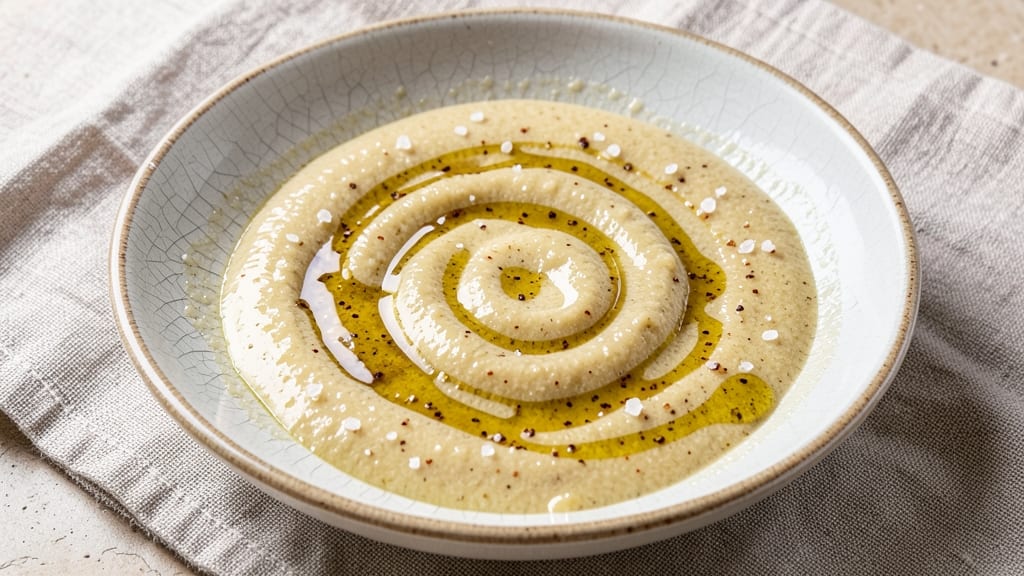
This American salad dressing recipe delivers bold, tangy flavor with just five simple ingredients that transform any salad into a restaurant-worthy dish. The secret lies in balancing sharp vinegar with rich olive oil and a pinch of salt, creating a vinaigrette that clings perfectly to greens without overpowering them.
I developed this version after years of testing—it’s the one I reach for when I need a dressing that’s both foolproof and deeply flavorful.
The beauty of this recipe is its versatility and simplicity. With just 5 minutes of prep time, you’ll have a dressing that’s bright enough for crisp lettuce salads but robust enough to stand up to hearty greens like kale or spinach.
The ratio of oil to vinegar is carefully balanced to ensure a smooth, emulsified texture that won’t separate, even after sitting in your fridge for days. No fancy equipment or techniques are needed—just a whisk or a jar and a little patience.
What you’ll end up with is a dressing that’s tangy, slightly sweet, and richly aromatic, with a perfect balance of acidity and depth. The olive oil adds a velvety finish, while the vinegar cuts through richness, making every bite of your salad feel fresh and vibrant.
This is the kind of dressing that turns a simple bowl of greens into a meal, and it’s so easy to customize with herbs or spices to match your mood or the season.
Store it in an airtight container in the refrigerator for up to 1 week, or make a double batch to keep on hand for quick salads. Whether you’re dressing a classic wedge salad or drizzling it over roasted vegetables, this dressing elevates everything it touches.
Let’s get started—your salads are about to get a serious upgrade.
Ingredients for american salad dressing
Five simple pantry staples for a dressing that tastes restaurant-made.
| Ingredient | Amount | Notes |
|---|---|---|
| Extra-Virgin Olive Oil 🫒 | ¾ cup | High-quality, fruity variety |
| White Vinegar 🍶 | ½ cup | Distilled or apple cider |
| Granulated Sugar 🍚 | 1 tbsp | Adjust for sweetness preference |
| Dijon Mustard 🍯 | 1 tsp | Mellow or sharp variety |
| Sea Salt 🧂 | 1 ½ tsp | Fine grain preferred |
The olive oil is non-negotiable here—skip the cheap stuff. Trader Joe’s or Whole Foods carry great options, but any fruity extra-virgin will work. White vinegar can be swapped for apple cider vinegar if you prefer a milder tang. I always grab the distilled vinegar from the grocery store’s baking aisle—it’s consistent and affordable. The sugar balances the acidity, so don’t skip it unless you love sour. For the mustard, Amora is my go-to brand—it’s smooth and reliable.
No Dijon? Yellow mustard at half the amount works in a pinch. Want more depth? Add a pinch of garlic powder or onion powder. The salt is key—use fine sea salt to dissolve completely. If you’re making this ahead, whisk the dressing vigorously to emulsify. For extra richness, swap half the vinegar for lemon juice. The texture should be silky, not grainy—if it separates, just whisk again before using.
This keeps beautifully in an airtight jar for 1 week in the fridge. Shake well before each use. Double the batch and store in small mason jars for easy grab-and-go dressing. The flavor actually improves after sitting overnight as the ingredients meld. If it thickens, just add a splash of water or vinegar to loosen it up.
Why You’ll Love This Recipe
- Here’s what sold me: the sugar cuts the vinegar’s bite while the Dijon mustard adds depth. It’s bright, balanced, and actually makes greens taste like they belong in a restaurant—not just a sad lunchbox.
- Five-Ingredient Magic: I swear by this combo—just oil, vinegar, sugar, mustard, and salt. No fancy gadgets, no measuring headaches, just stir and taste. That’s it.
- Tangy Twist: Here’s what sold me: the sugar cuts the vinegar’s bite while the Dijon mustard adds depth. It’s bright, balanced, and actually makes greens taste like they belong in a restaurant—not just a sad lunchbox.
- Pantry Staple Power: Between us, this dressing keeps my fridge stocked for weeks. Drizzle it on eggs, roasted veggies, or even grilled chicken. Honestly, I’ve used it for everything except dessert (okay, fine, I did toss it in a fruit salad once).
Step-by-step instructions for American salad dressing
Here’s how to mix this classic vinaigrette—simple, bold, and ready in minutes.
Whisk Together the Vinegar and Sugar
In a medium bowl, combine the 0.5 cup white vinegar and 1 tablespoon granulated sugar. Use a whisk or fork to stir vigorously until the sugar completely dissolves. You’ll notice the mixture becomes slightly syrupy and clear—this creates the perfect balance of tang and sweetness that defines American-style dressings.
Let this mixture sit for 2-3 minutes while you prepare the remaining ingredients. This brief resting period allows the sugar to fully integrate with the vinegar, enhancing the flavor profile. The dressing should smell bright and acidic with just a hint of sweetness—this is your flavor foundation.
Add the Dijon Mustard and Sea Salt
To the vinegar-sugar mixture, add the 1 teaspoon Dijon mustard and 1.5 teaspoons sea salt. Whisk continuously for 30 seconds until everything is fully combined and smooth. The mustard adds depth and helps emulsify the dressing later, while the salt enhances all the flavors and prevents the vinegar from being too sharp.
At this stage, your mixture should look like a thick, pale yellow emulsion. If you taste a small amount, you’ll notice the perfect balance of tangy, slightly sweet, and savory notes. This is the moment where all the flavors come together—don’t skip this step, as it’s crucial for the final texture and taste.
Slowly Incorporate the Olive Oil
With the whisk moving continuously, very slowly pour in the 0.75 cup extra-virgin olive oil. Start with just a few drops at first, whisking vigorously after each addition. This gradual approach prevents the dressing from separating. As you add more oil, you’ll see the mixture begin to thicken and become creamy.
Continue whisking for 1-2 minutes after all the oil is incorporated. The dressing should now have a smooth, velvety texture with no visible separation. If you notice any oil pooling on top, whisk for another 30 seconds. The key here is patience—rushing this step often leads to a broken emulsion and a dressing that separates later.
Taste and Adjust the Balance
Give your dressing a final taste and adjust the seasoning if needed. If it tastes too sweet, add a splash more of the white vinegar. If it’s too sharp, add a pinch more of the granulated sugar. For more depth, you can add another ½ teaspoon Dijon mustard or a tiny bit more sea salt. The dressing should be bright, balanced, and ready to enhance any salad.
Transfer the dressing to a clean jar or airtight container. It will keep in the refrigerator for up to 2 weeks, though I find it’s best used within the first week for maximum freshness. Before using, give it a good shake—sometimes dressings can separate slightly over time, but they always come back together with a quick whisk.
Pro Tips For Making American Salad Dressing
- Whisk in Stages: Start by mixing the mustard and sugar first—this keeps the sugar from clumping when you add the vinegar later. I learned this the hard way when I dumped everything in at once and ended up with grainy dressing.
- Use Real Vinegar: White vinegar isn’t all created equal. Cheap vinegar tastes harsh and metallic—shell out for a good one like apple cider or white wine vinegar if you can. Your taste buds (and your salad) will notice the difference.
- Salt the Oil: Add a pinch of salt directly to the olive oil before combining it with the rest. This balances the flavors right from the start—no need to adjust later. (Yes, even if you’re impatient like me.)
- Balance the Mustard: Dijon mustard can overpower if you’re not careful. Start with 1 teaspoon, taste, then add more if needed. You can always fix too much mustard, but you can’t take it out once it’s in there.
Troubleshooting this dish
Separation Solutions
If your dressing separates after mixing, don’t panic—this is common with vinaigrettes. The fix is simple: just whisk vigorously for 30-60 seconds until fully emulsified. For stubborn separations, add 1 teaspoon Dijon mustard or a splash of lemon juice (about 1 tablespoon) to help bind the oil and vinegar.
I’ve found that using a handheld immersion blender for 10-15 seconds works like magic if whisking fails. 💡
Too Thin or Too Thick?
If your dressing is too thin, reduce the oil by 1 tablespoon and whisk again. For a thicker consistency, add ½ teaspoon xanthan gum or 1 teaspoon cornstarch mixed with 1 tablespoon cold water.
Stir well and let sit for 5 minutes before whisking again. I’ve also thickened dressings by adding 1 tablespoon Greek yogurt or mayonnaise—just a spoonful makes a difference. 🥄
Flavor Imbalance Fixes
Too sweet? Add ½ teaspoon more white vinegar or 1 teaspoon lemon juice to cut through the sugar. If it’s too sharp, add ½ teaspoon more sugar or a pinch of honey.
For a deeper flavor, stir in ½ teaspoon garlic powder or onion powder. I once saved a dressing by adding a dash of smoked paprika—it added warmth without overpowering. 🌶️
Storage Mistakes
Dressings can spoil if not stored properly. Always use an airtight container (glass jars work best) and keep it refrigerated. If your dressing develops an off smell or mold, toss it—never risk it. I’ve ruined dressings by leaving them out too long, so I now double-check the fridge before storing.
For longer shelf life, add ½ teaspoon citric acid (found in baking aisles) to extend freshness by 3-4 days. ❄️
Equipment Shortcuts
No whisk? Use a fork or even a strong spoon—just stir vigorously for 2 minutes. For a smoother texture, pulse in a blender for 10-15 seconds (but don’t over-blend, or it’ll turn into mayonnaise).
I’ve made dressings in a mason jar by shaking it hard for 30 seconds—works surprisingly well. The key is motion, not fancy tools. 🔄
Vinegar Swaps Gone Wrong
If you substituted vinegar with something like citrus juice or balsamic, the dressing might turn out too sweet or cloying. For a milder tang, use apple cider vinegar instead of white vinegar.
If the flavor is off, balance it with ½ teaspoon more salt or a splash of rice vinegar (which is milder). I once used lime juice and had to add extra sugar to fix the sharpness. 🍋
Nutrition facts
Frequently asked questions
Can I make this dressing without Dijon mustard?
Swap the 1 teaspoon Dijon mustard for ½ teaspoon yellow mustard or even a pinch of garlic powder to add depth. The mustard helps emulsify the dressing, so if you skip it, whisk extra vigorously when adding the oil. For a completely mustard-free version, add ½ teaspoon honey instead to balance the acidity.
How do I adjust this for a creamy dressing instead of vinaigrette?
Replace the 0.5 cup white vinegar with 0.5 cup buttermilk or plain Greek yogurt, and reduce the olive oil to 0.5 cup. Add ½ teaspoon garlic powder and a pinch of onion powder for extra flavor. Whisk until smooth—this creates a creamy, ranch-style dressing perfect for hearty salads or dipping.
Why did my dressing separate, and how do I fix it?
Separation happens when oil and vinegar aren’t properly emulsified. Fix it by whisking vigorously for 30-60 seconds or adding 1 teaspoon Dijon mustard to help bind the ingredients. For stubborn cases, pulse in a blender for 10 seconds or shake in a sealed jar. Always store in an airtight container to prevent future separation.
Can I use this dressing on non-salad dishes?
Yes! This dressing works beautifully as a marinade for grilled chicken or fish, a dip for veggie sticks, or even a drizzle over roasted potatoes. The tangy-sweet balance pairs well with proteins and vegetables. Just reduce the salt slightly if using it for marinating.
What’s the best vinegar substitute if I don’t have white vinegar?
Use apple cider vinegar for a milder tang or lemon juice for brightness. Avoid balsamic—it’s too sweet and will throw off the balance. If using lemon juice, add ½ teaspoon extra sugar to compensate for the natural sweetness. Always taste as you go!

- Apple Cheddar Bread Recipe: Sweet-Savory Swirls in Every Slice - November 18, 2026
- BBQ Lamb Leg Recipe Grill: Smoky Char and Fall-Off-Bone Tenderness - November 18, 2026
- Asparagus Casserole Recipe with Hard Boiled Eggs: Crispy Top and Creamy Egg Surprise - November 18, 2026