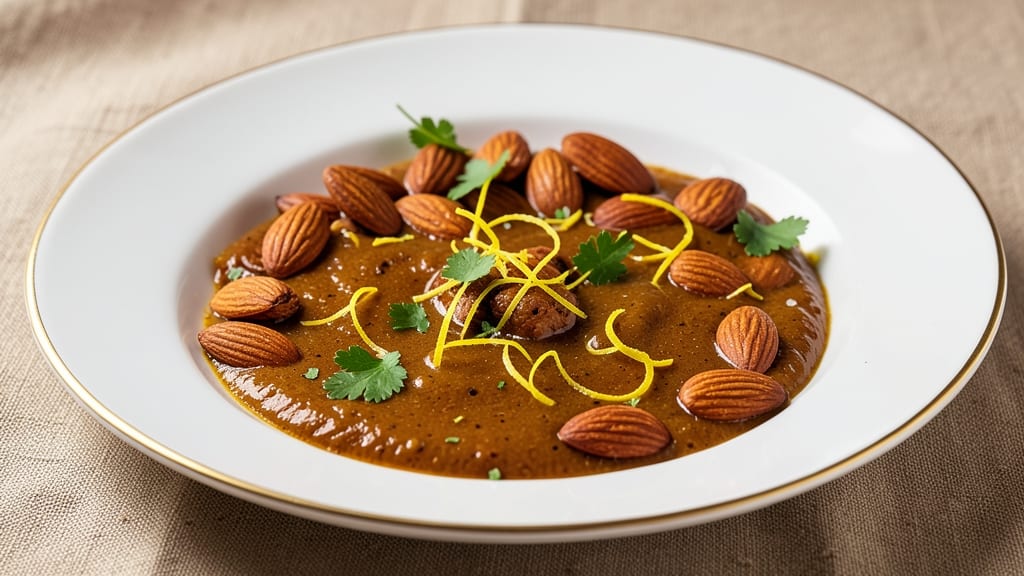
This amandine sauce recipe transforms simple butter, toasted almonds, and fresh parsley into a luxurious French condiment with nutty crunch and caramelized depth.
The technique begins with carefully toasting almonds until golden—never burnt—and emulsifying them into warm butter for a velvety texture that clings beautifully to fish, chicken, or roasted vegetables.
I developed this version after years of refining the balance between toasty almond flavor and delicate herb brightness, ensuring it elevates any protein without overpowering.
The sauce’s magic lies in its two-stage preparation: first toasting the almonds for maximum aroma, then whisking them into butter while still warm to create a stable emulsion.
Fresh parsley adds a bright contrast to the rich, toasty notes, while a touch of lemon zest prevents the sauce from becoming too heavy. What makes this recipe professional-grade is the precision—under-toasted almonds yield bland flavor, while over-toasted ones turn bitter.
This method delivers restaurant-quality results with just five ingredients and 15 minutes of active time.
What you’ll achieve is a sauce that’s glossy yet textured, with crisp almond bits suspended in a silky butter-herb base. It’s versatile enough for weeknight dinners or elegant entertaining—drizzled over pan-seared sole, spooned alongside roasted chicken thighs, or even tossed with asparagus for a vegetarian dish.
The nutty depth pairs perfectly with white wines like Sauvignon Blanc, while the parsley’s freshness cuts through richer proteins like duck or pork.
For best results, prepare the sauce just before serving to maintain its crisp texture, though it can be made ahead and reheated gently. The almonds should be toasted to a light golden color—no darker—and the butter should be warmed but not melted when combining.
This is the sauce that turns simple proteins into showstopping centerpieces. Let’s make it.
Ingredients for amandine sauce
Five ingredients transform into a restaurant-worthy sauce with nutty crunch and velvety richness.
| Ingredient | Amount | Notes |
|---|---|---|
| Unsalted Butter 🧈 | ¾ cup | Cold, cut into 1-inch cubes |
| Whole Almonds 🥜 | 1 cup | Skin-on preferred for texture |
| Fresh Parsley Leaves 🌿 | ½ cup | Finely chopped, stems removed |
| Lemon Zest 🍋 | 1 tsp | From organic lemon, finely grated |
| Diamond Crystal Kosher Salt 🧂 | ¼ tsp | For seasoning, not salting butter |
The almonds are non-negotiable—skin-on, whole almonds from Whole Foods bulk bins deliver the best texture and flavor. Toast them to a light golden color, not brown, to avoid bitterness. Costco’s organic almonds are my go-to for consistency, but any high-quality brand works. The butter should be cold but pliable when cubed—this prevents premature melting during toasting. For an extra layer of sophistication, consider European-style butter like Plugrá, which has higher fat content and richer flavor. Fresh parsley is essential; dried simply won’t cut through the richness like the vibrant green leaves should.
No skin-on almonds? Blanched almonds work in a pinch, though they lack the toasted depth. Substitute pecans or hazelnuts for a different nutty profile, but adjust toasting time—they burn faster. The parsley can be swapped for fresh tarragon or chives if unavailable, though parsley’s bright flavor is ideal. For a dairy-free version, use cultured butter substitute like Miyoko’s, though texture may vary slightly. The lemon zest can be omitted if you prefer a more neutral profile, but it’s worth the 30-second grating for that bright contrast. If you’re making this ahead, store the toasted almonds separately until ready to combine.
This sauce keeps beautifully for 3-4 days refrigerated in an airtight container, though texture softens over time. For longer storage, freeze the combined sauce (before adding parsley) for up to 3 months. Reheat gently over low heat, stirring occasionally, until just melted—never boil. The parsley should be added fresh just before serving to maintain its vibrant color. For a luxury touch, strain through a fine-mesh sieve before serving to achieve a silky texture. Portion into small ramekins for elegant plating, or keep it in a glass jar in the fridge for quick access during the week.
Why You’ll Love This Recipe
- Here’s the secret: this sauce actually improves the next day. The flavors meld, the almonds get even nuttier, and you can reheat it with a splash of water or butter. I’ve made a big batch for a family dinner and still had enough for sandwiches—zero waste, all flavor.
- Five-Ingredient Magic: I swear, this sauce is one of those rare recipes where the ingredients list reads like a grocery store shortcut but delivers restaurant-quality results. Toasted almonds and lemon zest alone make it taste like you slaved over a stove—no one needs to know it’s basically a 10-minute side gig.
- Crunchy-Creamy Contrast: That perfect balance of buttery richness and toasted almond crunch? It’s like a hug for your taste buds. The parsley adds this bright, herby finish that cuts through the richness—honestly, it’s the kind of sauce that makes you want to eat it with a spoon.
- Weeknight to Wedding: Between us, this sauce works on everything—roasted chicken, fish, even mashed potatoes. I’ve used it for a last-minute dinner guest and a holiday spread, and it never lets me down. The lemon zest keeps it fresh-tasting, so it’s not just a “fancy” sauce; it’s a reliable one.
Step-by-step instructions for amandine sauce recipe
This method delivers a rich, nutty sauce with perfect caramelized texture and bright herbal notes.
Toast the Whole Almonds Until Golden Brown
Preheat your oven to 350°F and spread the 1 cup whole almonds in a single layer on a rimmed baking sheet. Toast for 8-10 minutes, stirring halfway, until they develop a deep golden brown color and release an intense nutty aroma. You’ll know they’re ready when they’re fragrant and the skins begin to separate slightly from the nuts.
Remove from the oven immediately and let cool for 5 minutes before transferring to a cutting board. The residual heat will continue to develop the flavor, but cooling prevents burning when you pulse them later. I like to work with skin-on almonds—they add subtle texture contrast to the sauce.
Pulse Almonds to Create Crunchy Texture
Transfer the toasted almonds to a food processor fitted with the metal blade. Pulse in 5-7 bursts, stopping between each to check the texture. You’re aiming for a mix of fine crumbs and slightly larger, almond-shaped pieces—this creates both visual appeal and satisfying bite in the finished sauce.
Don’t over-process or you’ll end up with almond butter. The ideal consistency resembles coarse sand with some larger chunks remaining. Immediately transfer the pulsed almonds to a small bowl and set aside—they’ll cool completely as you work on the butter base.
Caramelize the Cold Butter Cubes
In a medium saucepan, melt the 0.75 cup unsalted butter over medium-low heat, stirring occasionally. Watch carefully as the butter begins to foam and then settle—this indicates it’s reaching its melting point. Once fully melted, increase heat to medium and let it simmer gently for 3-4 minutes until it develops a golden hue and nutty aroma.
This caramelization step is crucial for developing depth of flavor. You’ll notice tiny browned bits forming at the bottom of the pan—these are the flavor foundations of your sauce. If the butter begins to brown too quickly, reduce heat immediately to prevent burning. The butter should smell rich and toasty, not burnt.
Combine All Ingredients for Perfect Balance
Return the pulsed almonds to the saucepan with the caramelized butter. Add the 0.5 cup finely chopped fresh parsley leaves, 1 teaspoon lemon zest, and 0.25 teaspoon diamond crystal kosher salt. Stir constantly over low heat for 2-3 minutes until everything is thoroughly combined and heated through.
The sauce should have a thick, velvety consistency with visible almond pieces and parsley flecks. Taste and adjust seasoning—you may need a pinch more salt to balance the lemon’s acidity. Remove from heat immediately to prevent the butter from separating. The sauce will continue to thicken slightly as it cools, so don’t over-reduce it.
Rest and Finish Before Serving
Transfer the sauce to a serving bowl and let it rest for 5 minutes at room temperature. This resting period allows all the flavors to meld together and the sauce to reach its ideal consistency. The almonds will soften slightly but maintain their texture, and the parsley will release its fresh aroma.
Gently stir one final time before serving to redistribute any settled ingredients. The finished amandine sauce should coat the back of a spoon with a glossy sheen, showcasing beautiful golden almond pieces and vibrant green parsley. This sauce pairs beautifully with roasted meats, grilled fish, or even as a drizzle over creamy mashed potatoes for added texture contrast.
Pro Tips For Making Amandine Sauce
- TOAST ALMONDS LOW AND SLOW: I learned this the hard way—blasting them on high turns them bitter fast. Use medium heat and stir relentlessly (every 20-30 seconds) until they’re golden, not brown. A wooden spoon works best—it grips better than metal when they’re clinging.
- ZEST BEFORE JUICING: Lemon zest loses potency fast, so grate it right when you’re ready to toss it in. Skip the juicer unless you’re using it immediately—stored zest turns dull, and you’ll taste the difference in that bright, citrusy finish.
- SALT THE BUTTER FIRST: More salt than you think, especially if using unsalted butter. Taste a pinch mixed with the warm butter before adding almonds—you’ll save yourself from over-salting later. Trust me, it’s easier to fix undersalted sauce than to play catch-up.
- PULSE PARSLEY TO FINISH: Chopping parsley by hand works, but a quick pulse in the food processor (just 2-3 seconds) gives you finer, more even bits that blend seamlessly. No, it’s not technically traditional—but it makes the sauce look polished without extra effort.
Wine and beer pairings for this amandine sauce
White Wine Pairings
This nutty, buttery sauce finds its perfect match in crisp, mineral-driven white wines that cut through the richness. I always reach for a Sauvignon Blanc from New Zealand—its citrusy brightness and herbal notes mirror the parsley and lemon zest in the sauce.
Look for a bottle with 12-13% ABV like Kim Crawford or Oyster Bay to balance the sauce’s depth without overpowering it. 🍷
Chardonnay Balance
For a richer pairing, try an unoaked Chardonnay from California’s Central Coast. The sauce’s buttery texture pairs beautifully with wines that have subtle vanilla and apple notes, like La Crema or Meiomi.
These wines complement the almond’s toasted flavor while keeping the dish light. Avoid heavily oaked Chardonnays—they’ll clash with the sauce’s delicate freshness.
Light Beer Options
If you prefer beer, a crisp German Helles Lager like Augustiner Helles provides refreshing contrast. Its clean, malty profile (around 5% ABV) won’t compete with the sauce’s nutty complexity. For a more adventurous choice, try a Belgian Witbier like Hoegaarden—the coriander notes enhance the parsley’s herbal brightness.
Sparkling Wine Elevation
For special occasions, serve with French Crémant or a dry Prosecco (look for La Marca Brut). The bubbles cleanse your palate between bites, while the acidity brightens the sauce’s richness. I like to chill the sauce slightly before serving when pairing with sparkling wine—it creates a luxurious presentation. ✨
Red Wine Exception
While white wines dominate, a light Pinot Noir from Oregon (like Domaine Serene) can work beautifully with richer proteins like duck or pork. Choose a wine with 12.5% ABV or less and earthy notes that complement the almond’s toasted depth without overpowering the parsley’s freshness.
Non-Alcoholic Pairings
For non-alcoholic options, serve with sparkling apple cider (chilled) or a ginger-mint iced tea. The effervescence and herbal notes create the same refreshing contrast as wine pairings. I also love pairing this sauce with cucumber-infused water—the cool, crisp flavor balances the sauce’s richness perfectly. 💧
Nutrition facts
Frequently asked questions
Can I make amandine sauce without almonds?
While almonds are traditional, you can substitute with toasted hazelnuts or pecans for a different nutty profile. Just reduce toasting time by 2-3 minutes since these nuts burn faster. For a seed alternative, try toasted pine nuts—but they’re pricier and may overpower the sauce if over-toasted.
Why did my amandine sauce separate?
This happens when butter cools too quickly or when the sauce sits too long off heat. To fix it, gently warm the sauce over low heat while whisking vigorously until smooth. For prevention, keep the sauce warm (but not hot) until serving, and avoid adding parsley until the last minute.
What’s the best way to store leftover amandine sauce?
Store in an airtight container in the fridge for 3-4 days. For longer storage, freeze the combined sauce (before adding parsley) for up to 3 months. Reheat gently over low heat, stirring constantly, until just melted. Add fresh parsley after reheating to maintain its color and flavor.
Can I make amandine sauce dairy-free?
Yes! Replace butter with cultured coconut oil or vegan butter substitute like Miyoko’s. The texture will be slightly lighter, but the nutty flavor remains. For extra richness, add 1 tablespoon olive oil to help emulsify the sauce. Toast the almonds and combine all ingredients exactly as directed.
What’s the secret to getting the perfect almond texture?
The key is toasting almonds to a light golden color (not brown) and pulsing them in 5-7 bursts for a mix of fine crumbs and larger pieces. Over-processing creates almond butter, while under-toasting yields bland flavor. Work quickly after toasting to capture maximum aroma before the almonds cool completely.

- Lamb Shoulder Chops Crock Pot Recipe: Slow-Braised Richness With Fall-Off-Bone Tenderness - November 8, 2026
- Polo Chicken Recipe: One-Pot Herb-Roasted Comfort with Crispy Dumplings - November 8, 2026
- Diners Drive-Ins and Dives Beef Brisket Recipe: Smoky, Slow-Cooked Tenderness Unlocked - November 8, 2026