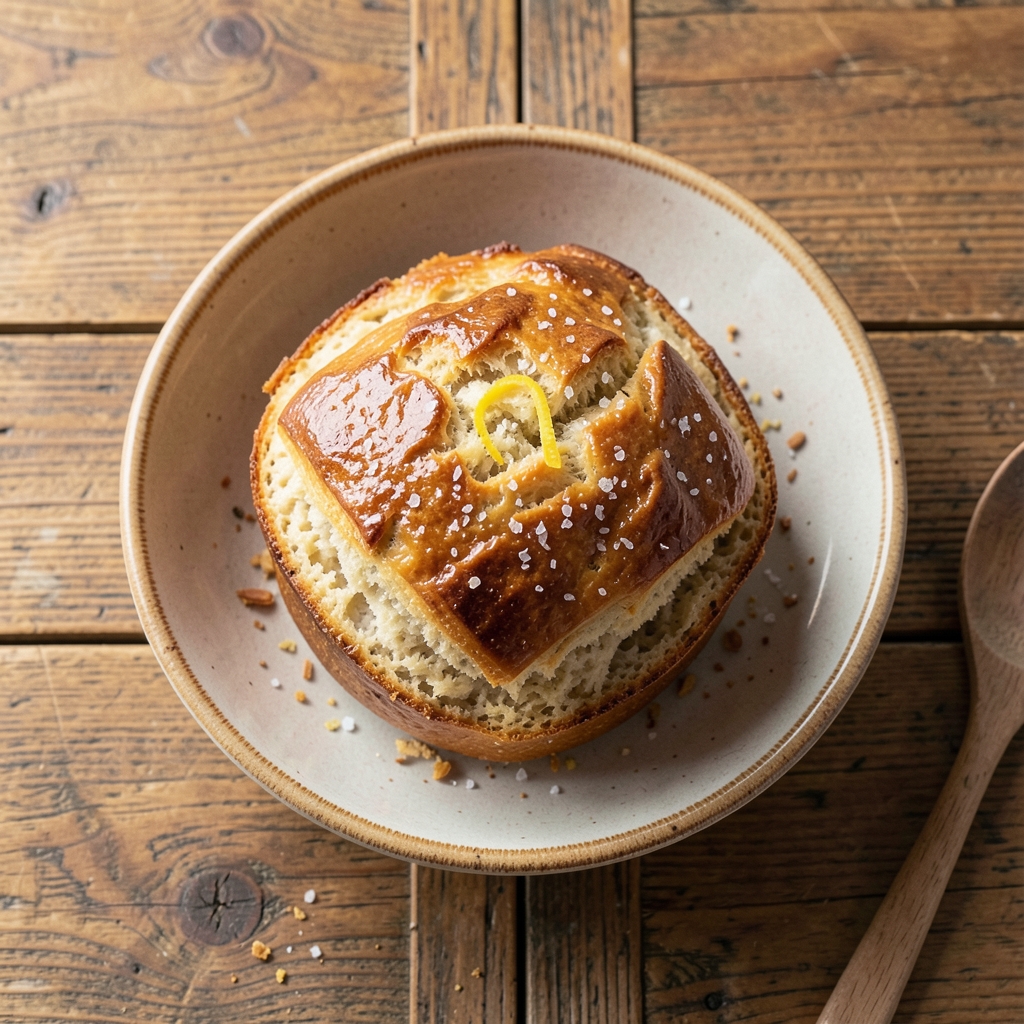
This almond and coconut flour bread recipe delivers a surprisingly light, moist loaf that defies expectations—no dense crumb or chalky texture here. The combination of nutty almond flour and coconut flour creates a naturally gluten-free bread with rich depth and satisfying crunch, perfect for those avoiding traditional wheat.
After years of testing low-carb bread recipes, I finally cracked the code for a loaf that toasts beautifully and pairs equally well with butter or avocado. The secret lies in proper hydration and a precise baking technique that prevents cracking while developing that coveted golden crust.
The beauty of this recipe is its versatility—it works as a hearty side for soups, a sturdy base for open-faced sandwiches, or even a satisfying snack on its own.
Unlike many gluten-free breads that rely on gums or starches, this version uses only whole-food ingredients: almond flour for structure, coconut flour for binding, and a touch of psyllium husk for elasticity without artificial additives.
The result is a loaf that’s naturally sweet from the coconut, with a tender crumb and subtle nutty aroma that lingers long after baking.
What sets this bread apart is its texture—light enough to feel airy yet substantial enough to hold up to toasted toppings. The almond flour contributes a delicate crunch while the coconut flour adds a subtle sweetness that balances perfectly.
With just 10 minutes of active prep and 50 minutes in the oven, you’ll have a golden loaf that rivals artisanal breads in both appearance and satisfaction. The key is patience during mixing and baking, ensuring even heat distribution for a uniform rise.
Serve warm with olive oil and flaky sea salt, or toast slices for breakfast with almond butter and sliced banana. This bread also freezes beautifully for up to 3 months, making it ideal for meal prep.
Whether you’re following a low-carb diet or simply exploring gluten-free baking, this recipe proves nut flours can deliver restaurant-quality results at home.
Ingredients for almond and coconut flour bread
Twelve whole-food ingredients transform into a golden loaf with nutty depth and satisfying crunch.
| Ingredient | Amount | Notes |
|---|---|---|
| Almond Flour 🥜 | 2 ½ cups | Finely ground, unsweetened preferred |
| Coconut Flour 🥥 | ½ cup | High-quality, sifted before measuring |
| Psyllium Husk Powder 🌿 | 1 tbsp | Pure, unsweetened, organic preferred |
| Granulated Erythritol 🍬 | ¼ cup | Fine grain, non-crystalline preferred |
| Baking Powder 🧂 | 1 tsp | Aluminum-free, Diamond Crystal preferred |
| Sea Salt 🧂 | ½ tsp | Fine grain, Diamond Crystal preferred |
| Xanthan Gum 🧪 | ¼ tsp | Pure, no additives |
| Unsweetened Almond Milk 🥛 | 1 cup | Room temperature, unsweetened preferred |
| Extra-Virgin Olive Oil 🫒 | ¼ cup | Cold-pressed, fruity variety preferred |
| Apple Cider Vinegar 🍎 | 1 tbsp | Raw, unfiltered preferred |
| Ground Flaxseed 🌾 | 1 tbsp | Freshly ground, golden preferred |
| Vanilla Extract 🌸 | 1 tsp | Pure, alcohol-free preferred |
| Flaxseed Meal 🌾 | ¼ cup | For egg replacement, freshly ground |
| Water 💧 | ½ cup | Room temperature, filtered preferred |
The almond flour serves as the structural backbone, so choose high-quality, finely ground from trusted brands like Bob’s Red Mill or Anthony’s Goods. Coconut flour absorbs moisture aggressively—sift before measuring to avoid compaction. Psyllium husk powder is non-negotiable for elasticity; NOW Foods offers a pure, unsweetened option that works perfectly. For erythritol, Lakanto or Wholesome Sweeteners brands provide the finest grain texture, preventing gritty bites in the final loaf. The almond milk should be unsweetened to avoid altering the delicate balance of flavors—Silk or 365 Organic brands work well in most grocery stores.
No psyllium husk? 1 extra tbsp ground flaxseed provides similar binding, though texture may vary slightly. Substituting coconut flour requires 1:1 replacement with arrowroot powder, but increase the almond milk by 0.25 cup to compensate for reduced moisture absorption. For vanilla extract, alcohol-free versions from McCormick work equally well without altering the flavor profile. The flaxseed meal acts as the egg replacement—grind your own for maximum freshness, or use pre-ground from Bob’s Red Mill. The apple cider vinegar activates the baking powder for optimal rise—ensure it’s raw and unfiltered for best results.
This loaf keeps beautifully at room temperature for 3 days wrapped in a cotton towel, or 1 week refrigerated in an airtight container. For longer storage, freeze sliced portions in a sealed bag for up to 3 months. Reheat slices in a toaster or oven at 350°F for 5-7 minutes to restore crispness. The bread’s texture improves slightly after baking—wait 1 hour before slicing for clean cuts and optimal crumb structure.
Why You’ll Love This Recipe
- No Mixer Needed: Mixing this dough is seriously hands-off—just fold the psyllium husk powder into the wet ingredients until it clumps like wet sand, then stir in the flours. No stand mixer, no stress, no sticky mess. Honestly, I’ve made it in a mug when I forgot to pull out the bowl.
- Nutty-Sweet Magic: That first bite? Warm, slightly crisp crust with a tender crumb that’s ridiculously satisfying. The almond flour gives it a subtle richness, while the coconut flour adds a faint tropical note—like a cross between a croissant and a mochi donut. (Yes, even on a Tuesday night.)
- Keto-Friendly Crowd Pleaser: This bread actually works for gatherings—no one will guess it’s low-carb. Toast it for breakfast, use it for sandwiches, or serve it with butter and jam. My husband’s coworkers asked for the recipe after one taste. (Between us, they’re all jealous of my erythritol stash now.)
- Shelf-Stable & Budget-Smart: Make a loaf, freeze half, and it’ll still be fresh weeks later. The psyllium husk keeps it firm, so no soggy leftovers here. Plus, almond and coconut flours last forever—no wasted dough or sad grocery runs. It’s my go-to for when I’m broke but still want to feel fancy.
Step-by-step instructions for almond and coconut flour bread
Mastering this low-carb loaf requires precision with gluten-free flours and proper hydration.
Prepare the Flaxseed Egg Substitute
In a small bowl, combine the 0.25 cup flaxseed meal and 0.5 cup water. Stir vigorously and let sit for 10 minutes until fully gelled—this creates the egg replacement. The mixture should thicken noticeably and resemble raw egg whites in consistency. If it remains too liquid, add an extra 1 teaspoon ground flaxseed until properly thickened.
While waiting, sift together the 2.5 cups almond flour and 0.5 cup coconut flour into a large mixing bowl. This prevents clumping and ensures even distribution of the finer coconut flour. The almond flour should be finely ground—any gritty texture will affect the bread’s smoothness.
Combine Wet Ingredients and Hydrate the Flours
To the flaxseed mixture, add the 1 cup unsweetened almond milk, 0.25 cup extra-virgin olive oil, 1 tbsp apple cider vinegar, 1 tsp vanilla extract, 0.25 cup granulated erythritol, 1 tbsp psyllium husk powder, 1 tsp baking powder, 0.5 tsp sea salt, and 0.25 tsp xanthan gum. Whisk until smooth—this blend forms the foundation of the batter.
Gradually pour the wet mixture into the sifted dry ingredients while mixing on low speed with a hand mixer. Stop mixing as soon as the dough comes together—overmixing develops gluten-like properties in the flours, resulting in a dense rather than light loaf. The batter should be thick but pourable, similar to pancake batter in consistency.
Rest and Prepare the Loaf Pan
Transfer the batter to a greased 9×5-inch loaf pan (or similar size). Tap the pan gently on the counter to remove any air bubbles. Let the batter rest at room temperature for 30 minutes—this allows the psyllium husk powder to fully hydrate and expand, which improves the bread’s structure and prevents crumbling.
Preheat your oven to 350°F and position a rack in the lower third. Place a small baking dish on the lower rack—this will catch any potential drips. The oven should be fully preheated before baking begins to ensure even heat distribution throughout the loaf.
Bake Until Golden and Internal Temperature Reaches 205°F
Bake the loaf for 50-60 minutes, rotating the pan halfway through for even browning. The bread is done when the top is golden brown and a toothpick inserted in the center comes out clean. The internal temperature should read 205°F—this ensures complete moisture evaporation without drying out the crumb.
If the top browns too quickly, tent loosely with aluminum foil after 30 minutes to prevent over-browning while maintaining even cooking. The edges should pull away slightly from the pan, indicating proper structure. Remove from the oven and let cool in the pan for 10 minutes before transferring to a wire rack.
Rest and Slice for Optimal Texture
Allow the loaf to cool completely for at least 1 hour before slicing. This resting period is crucial—it lets the crumb set properly and prevents a gummy texture. The bread should have a tender yet slightly dense crumb with a crisp exterior. If sliced too soon, the layers may fall apart.
Store wrapped at room temperature for up to 3 days or freeze for longer storage. When reheating, wrap slices in a damp paper towel and warm in a 350°F oven for 5-7 minutes to restore freshness. The nutty depth from the almond and coconut flours will be most pronounced when served slightly warm.
Pro Tips For Making Almond And Coconut Flour Bread
- Mix the Psyllium First: I learned this the hard way—when I added psyllium husk powder last, it clumped like glue in my batter. Whisk it with your wet ingredients first until it’s smooth, then fold in the rest. That’s the thing that actually makes the bread hold together.
- Weigh Your Coconut Flour: Coconut flour is sneaky—it’s not like regular flour, and scooping it leads to dry, dense bread. Use a kitchen scale for accuracy; 1 cup packed equals about 120 grams. Trust me, your loaf will thank you.
- Don’t Overmix the Batter: This isn’t cake batter—once you fold in the flours, stop after 10-12 strokes. Overmixing activates the gluten in almond flour, and you’ll end up with a dense, chewy brick instead of a light crumb. Less is more.
- Preheat Pan and Oven: Cold pans make cold bread. Pop your loaf pan in the oven while preheating (350°F) for 10 minutes, then pour in the batter. The heat jump-started my first few batches, and the difference in rise was noticeable. No more sad, flat tops.
Flavor customization for this almond and coconut flour bread
Sweet Variations
Add 1 tbsp maple syrup or 2 tbsp monk fruit sweetener to the wet ingredients for a naturally sweetened loaf. For a citrus twist, mix in 1 tbsp lemon zest with the vanilla extract.
I find the coconut flour’s natural sweetness pairs beautifully with ½ tsp cinnamon—this creates a subtle spiced bread perfect for breakfast. 🍯
Herb-Infused Options
Stir in 1 tbsp finely chopped rosemary or 2 tbsp dried basil into the dry ingredients for an Italian-inspired variation. Fresh herbs like thyme or oregano work well too—just reduce the almond milk by 1 tbsp to maintain proper hydration.
The herbs add a fragrant depth that complements the nutty base perfectly. 🌿
Seed Boost Variations
Mix in ¼ cup chia seeds or 3 tbsp hemp seeds for added fiber and omega-3s. These seeds also contribute to the loaf’s structure while enhancing its nutty flavor profile.
For extra crunch, sprinkle 2 tbsp pumpkin seeds on top before baking. The seeds toast beautifully in the oven, creating a delightful texture contrast. 🌰
Spiced Adaptations
Create a pumpkin spice version by adding 1 tsp pumpkin pie spice and ½ cup pumpkin puree to the wet ingredients. For a savory option, incorporate 1 tsp smoked paprika and ½ tsp garlic powder—this works wonderfully with herb-infused variations.
The spices deepen the bread’s complexity while maintaining its naturally gluten-free integrity. 🌶️
Chocolate Twist
For a decadent treat, fold in ¼ cup cocoa powder with the dry ingredients and add 2 tbsp almond butter to the wet mix. This creates a rich, fudgy loaf with chocolatey depth.
Pair it with a dusting of powdered erythritol for an elegant dessert option. The chocolate complements the coconut’s natural sweetness beautifully. 🍫
Savory Garlic & Herb
Transform this into a savory loaf by omitting the erythritol and adding 2 minced garlic cloves, 1 tbsp chopped fresh parsley, and ½ tsp onion powder to the wet ingredients.
This version works perfectly as a side for soups or paired with olive oil and balsamic vinegar. The garlic infuses the nutty flavors with a robust savory note. 🧄
Nutrition facts
Frequently asked questions
Why does this bread need both almond and coconut flour?
Almond flour provides the structural protein and rich, nutty flavor, while coconut flour adds natural sweetness and excellent binding properties. The combination creates a lighter texture than almond flour alone—coconut flour absorbs moisture differently, preventing a dense crumb. Together, they mimic wheat flour’s functionality without gluten.
Can I make this bread without psyllium husk?
Yes, but the texture will be less elastic. Replace the 1 tbsp psyllium husk with 1 extra tbsp ground flaxseed or 0.5 tsp xanthan gum. The bread may crumble slightly more, so handle it gently when slicing. The resting time should also be extended to 45 minutes to compensate for reduced binding.
How do I prevent the bread from cracking on top?
Cracking usually happens from uneven baking or rapid moisture loss. Ensure your oven is fully preheated to 350°F and place a small baking dish on the lower rack to catch drips. If the top browns too quickly, tent loosely with foil after 30 minutes. Also, avoid opening the oven door during the first 40 minutes of baking.
Is this bread suitable for keto or low-carb diets?
With just 4g net carbs per slice, this loaf fits perfectly into keto or low-carb meal plans. The almond and coconut flours provide healthy fats and fiber while keeping carbohydrate content minimal. Pair it with avocado, cheese, or nut butter for a satisfying low-carb meal.
Can I use this dough for muffins or rolls instead?
Yes, but adjust the baking time and pan size. For muffins, divide the batter into 12 greased muffin cups and bake at 350°F for 18-20 minutes. For rolls, shape into 8 small balls on a baking sheet and bake for 12-15 minutes. The texture will be slightly denser in smaller shapes due to faster moisture loss.

- Applebee’s Beer Cheese Sauce Recipe: Creamy, Bubbly Bites for Dipping - November 10, 2026
- Philadelphia Cream Cheese Icing Recipe: Velvety Swirls for Pastries and Cakes - November 10, 2026
- Lamb Gyro Recipe: Grilled Spice-Rubbed Meat With Warm Pita Wraps - November 10, 2026