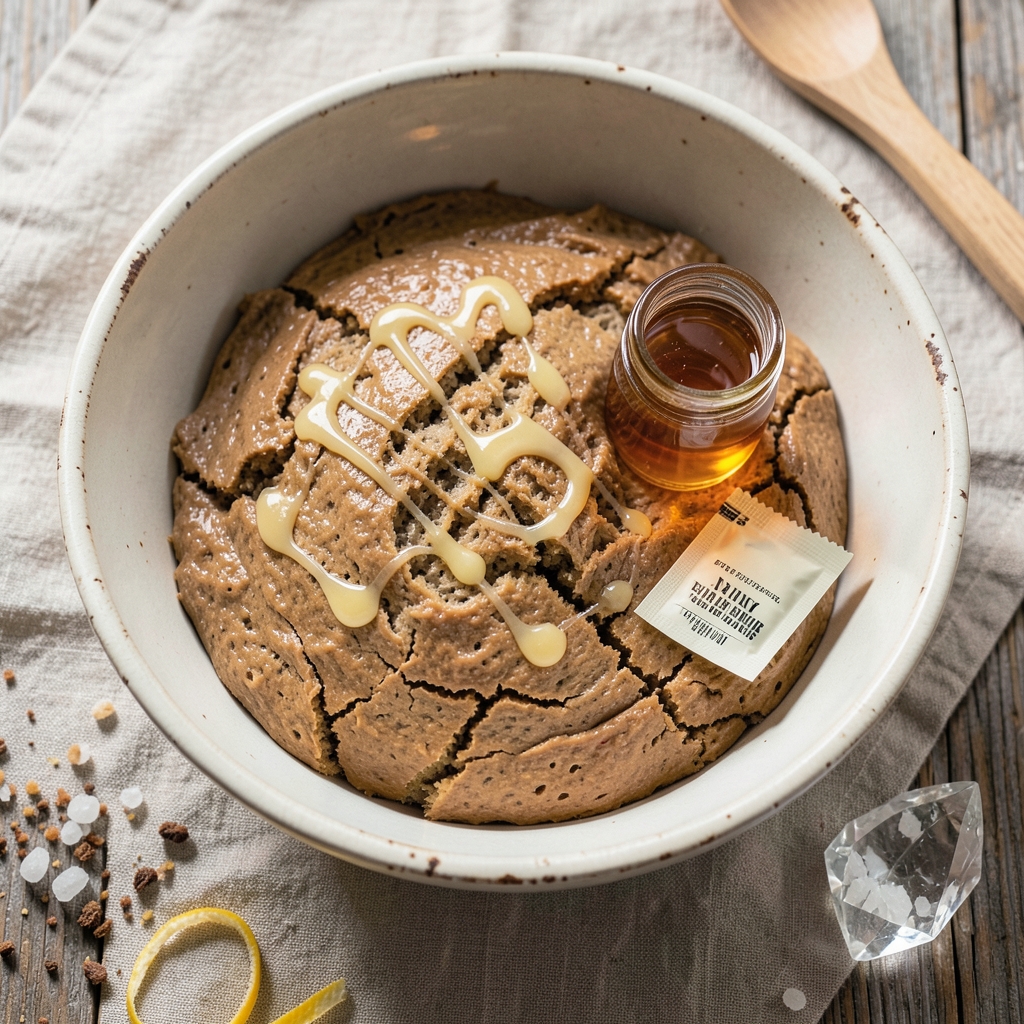
This all-rye flour bread recipe delivers the perfect balance of crusty crunch and tangy depth—no wheat flour required. After years of experimenting with rye-heavy doughs, I’ve perfected a method that yields a loaf with a dark, crackling crust and a dense, slightly sweet crumb. The key lies in proper hydration and a slow fermentation process that develops deep flavor without bitterness.
The process begins with a hydrated dough that requires patience—kneading by hand for 10 minutes develops gluten while keeping the texture tender. Proofing overnight in the refrigerator enhances flavor and prevents a dense crumb.
For best results, bake at 375°F for 45-50 minutes, until the crust is deep brown and the internal temperature reaches 205°F.
What makes this recipe stand out is its versatility—slice it fresh for sandwiches, toast it for breakfast, or serve it warm with butter. The tangy notes from rye flour pair beautifully with strong cheeses, smoked meats, or even jam.
With just 5 simple ingredients and one day of active time, you’ll have a loaf that rivals artisanal bakery bread.
For added texture, consider mixing in sunflower seeds or flaxseeds before shaping. Store wrapped at room temperature for 3 days or freeze for up to 3 months. Let’s bake this foolproof loaf that proves all-rye bread can be both hearty and delicious.
Ingredients for all rye flour bread
Five core ingredients transform into a loaf with dark crust and dense, flavorful crumb—no wheat needed.
| Ingredient | Amount | Notes |
|---|---|---|
| All-Rye Flour 🌾 | 4 cups | Dark rye flour for authentic flavor |
| Active Dry Yeast 🍞 | ¼ oz | Fresh yeast for best fermentation |
| Warm Water 💧 | 1 ½ cups | 110°F for optimal yeast activation |
| Honey 🍯 | ¼ cup | For subtle sweetness and fermentation |
| Unsalted Butter 🧈 | ½ cup | Cold, cubed for texture development |
| Diamond Crystal Kosher Salt 🧂 | 2 tsp | Fine grain for even distribution |
| Sunflower Seeds 🌻 | ½ cup | Optional for added crunch |
| Cornmeal 🌽 | ¼ cup | For dusting baking surface |
The all-rye flour is non-negotiable for that signature tang. King Arthur or Bob’s Red Mill brands deliver consistent results, but avoid light rye blends—they lack depth. For yeast, fresh active dry yeast from the refrigerated section outperforms jarred varieties, which can be months old. Warm the water to 110°F (use a thermometer)—too hot kills yeast, too cold stalls fermentation. Honey here serves dual purposes: it feeds the yeast while adding just enough sweetness to balance rye’s natural bitterness. Local raw honey adds subtle floral notes, but store-bought works fine. The butter should be cold when mixed—this creates pockets of richness in the crumb.
No sunflower seeds? Flaxseeds or sesame seeds work equally well for texture. Substituting whole wheat flour for rye? Use no more than 25% substitution—rye’s hydration properties change dramatically. Short on honey? Maple syrup at a 1:1 ratio preserves fermentation. For salt, Diamond Crystal kosher dissolves cleanly, but Morton coarse can be used at 75% the amount. Proofing issues? Ensure your yeast is active by testing it in warm water with a pinch of sugar—it should foam within 10 minutes. If fermentation stalls, extend proofing time by 1-2 hours in a warm spot.
This loaf reaches peak flavor after 24 hours of resting at room temperature. Wrap tightly in beeswax wrap or foil to maintain moisture—plastic traps steam and softens the crust. For longer storage, freeze the unwrapped loaf for up to 3 months. Thaw at room temperature for 2-3 hours before slicing. The crust stays crisp for 3 days when stored properly, while the crumb remains tender for 5 days. For serving, brush warm slices with melted butter or top with smoked gouda for a gourmet touch.
Why You’ll Love This Recipe
- No-Knead Magic: The dough comes together in minutes—just mix, let it rise, then bake. I swear, the only “hard” part is waiting for the crust to turn that deep amber gold.
- Honeyed Depth: That touch of honey in the dough? It’s like a secret weapon—caramel notes that linger with every bite, while the butter keeps it rich without being heavy.
- Weeknight Workhorse: Toss it in a sandwich for lunch, toast it for breakfast, or serve it warm with dinner. My kids even ask for it plain—yes, plain—because it’s that good.
- Budget Crust: A single loaf costs pennies at the store, but this version feels like artisanal. Plus, the leftovers? Still fresh-tasting days later if you store them right.
Step-by-step instructions for all rye flour bread
This method delivers a dense yet airy loaf with a crisp crust and deep rye flavor—every step is critical.
Activate the Yeast with Honey and Warm Water
In a large mixing bowl, combine the 1.5 cups warm water with the 0.25 cup honey and stir until the honey dissolves completely. The water should feel pleasantly warm to the touch—around 110°F—but not hot enough to kill the yeast. Sprinkle the 0.25 oz active dry yeast evenly over the surface and let it sit for 5-10 minutes until it forms a frothy foam.
This activation step ensures your yeast is alive and ready to work. If no foam forms after 10 minutes, your yeast may be inactive—start over with fresh yeast. The honey not only feeds the yeast but also contributes subtle sweetness that balances the rye’s natural tanginess.
Mix the Dough with Butter and Salt
Add the 4 cups all-rye flour to the yeast mixture and stir with a wooden spoon until a shaggy dough forms. Press the dough down to remove air pockets, then add the 0.5 cup cold, cubed unsalted butter and the 2 tsp diamond crystal kosher salt. Using your hands, knead the dough for 5-7 minutes on a lightly floured surface until it becomes smooth and elastic.
The cold butter should incorporate gradually, creating pockets of fat that will contribute to the bread’s tender crumb. If the dough feels too sticky, add flour 1 tablespoon at a time—rye flour absorbs more moisture than wheat flour. The dough should be slightly tacky but not wet, and it should spring back slowly when pressed.
First Rise and Fold for Structure
Place the dough in a lightly greased bowl, cover with a damp towel, and let it rise in a warm place for 1-2 hours until it has doubled in size. After the initial rise, perform a series of 3-4 sets of stretch-and-folds at 20-minute intervals to develop gluten and strengthen the structure. To fold, wet your hands, grab one side of the dough, stretch it upward, and fold it over itself.
This folding technique mimics the effects of kneading without overworking the dough. The rye flour’s density requires extra handling to prevent a heavy, gummy texture. After the final fold, let the dough rest for 30 minutes before shaping—this relaxation period ensures the gluten relaxes enough to hold its shape during baking.
Shape and Final Proof
Shape the dough into a round loaf by pulling the edges toward the center and sealing the seam. Place it seam-side up in a 9×5-inch loaf pan dusted with the 0.25 cup cornmeal. Cover loosely with plastic wrap and let it proof for 1-1.5 hours until it has risen 1-2 inches above the pan and feels springy to the touch when pressed gently.
The cornmeal creates a barrier between the dough and pan, preventing sticking and promoting even browning. If the dough doesn’t rise sufficiently, it may be too cold—place the pan in a 90°F oven for 10 minutes to encourage fermentation. Overproofing is a common mistake with rye—stop rising when the dough feels firm but still yields slightly under pressure.
Bake to Crispy Perfection
Preheat your oven to 375°F. Bake the loaf for 45-50 minutes until the crust is deep golden brown and the internal temperature reaches 205°F when measured with an instant-read thermometer. If the top browns too quickly, tent the loaf with foil after 20 minutes to prevent over-browning while ensuring the interior cooks through.
Remove the bread from the pan immediately and let it cool on a wire rack for at least 1 hour before slicing. The crust should be crisp with a satisfying crunch, while the interior should be dense yet tender with a subtle sweetness from the honey. Slice with a serrated knife for clean cuts—rye bread is best enjoyed fresh, straight from the oven.
Pro Tips For Making All Rye Flour Bread
- Bloom the yeast first: Mix the yeast with warm water and honey before adding flour—this guarantees it’s active and saves you from dough that won’t rise. I’ve wasted enough batches where the yeast was sluggish because I skipped this step. Use water around 105°F (40°C), not boiling, and wait 5-10 minutes until it’s frothy.
- Knead like you mean it: Rye flour is dense, so don’t treat it like wheat dough—knead for at least 10 minutes by hand (or 5-6 minutes in a stand mixer with a dough hook) until it’s smooth and slightly sticky but not wet. Under-kneading leads to a dense, gummy loaf. If it feels too tough, add a splash of water; if too sticky, a little more flour.
- Skip the butter shortcut: Adding butter at the start makes the dough too soft and hard to shape. Instead, fold in the softened butter after the first rise, when the dough is more manageable. This keeps the crumb tender without turning your bread into a greasy mess.
- Steam the oven: Place a metal bowl of boiling water on the bottom rack before baking—this creates steam for the first 10-15 minutes, helping the crust develop without burning. I learned this the hard way when my first loaf came out pale and dense. A spray bottle works in a pinch, but the bowl method is foolproof.
Flavor customization for this dish
Sweet & Tangy Variations
Swap the honey for 1/4 cup maple syrup to deepen the caramel notes, or add 1 tbsp molasses for a richer, almost chocolatey undertone. I’ve found that 1/2 tsp cinnamon mixed into the dough enhances the sweetness without overpowering the rye’s natural tang.
For a fruity twist, fold in 1/2 cup chopped dried cranberries or raisins during the final knead—just be sure to soak them in warm water for 10 minutes first to plump them up. 🍯
Herb & Seed Enhancements
Boost texture and aroma by mixing in 1 tbsp chopped fresh rosemary or thyme with the seeds before shaping. For a Scandinavian touch, add 1 tbsp caraway seeds—they’ll infuse the dough with a subtle anise-like warmth.
I also love sprinkling 1/4 cup pumpkin seeds on top before baking for extra crunch. If you’re feeling adventurous, try 1/4 cup chopped sun-dried tomatoes for a savory-sweet contrast. 🌿
Savory & Smoky Adaptations
Transform this into a hearty rye sourdough by replacing half the water with 1/2 cup active sourdough starter. For a smoky depth, add 1/2 tsp smoked paprika or 1/4 tsp liquid smoke (use sparingly!) to the dough.
I’ve had great success with 1/4 cup crumbled feta or goat cheese folded into the final loaf—it melts slightly during baking, adding a creamy tang.
For a meaty twist, shape the dough into a rye pretzel loaf and bake with a baking soda and water wash for that classic pretzel flavor. 🔥
Gluten-Free & Allergy-Friendly Swaps
For a gluten-free version, replace the all-rye flour with a 1:1 gluten-free rye flour blend (like Bob’s Red Mill). Add 1 tbsp xanthan gum to improve elasticity. Nut-free? Skip seeds entirely and use toasted coconut flakes for texture.
For egg-free binding, replace the butter with 1/4 cup melted coconut oil—it adds richness without dairy. Always check labels, as some rye flours contain trace amounts of wheat. ✨
Seasonal & Holiday Twists
Autumn calls for 1/2 cup chopped walnuts or pecans plus a pinch of nutmeg in the dough. Winter holidays? Add 1/4 cup dried apple or pear chunks for a festive crunch. Spring brings bright flavors—try 1 tbsp lemon zest and a splash of orange juice in place of water.
For Easter, shape the loaf into a braided rye Easter loaf and brush with an egg wash before baking. 🌟
Nutrition facts
Frequently asked questions
Why does my all-rye bread turn out dense instead of light?
Rye flour absorbs more moisture than wheat flour, so the dough needs extra handling. The key is stretch-and-folds during the first rise to develop gluten without overworking it. Also, avoid overproofing—stop when the dough feels firm but still yields slightly under gentle pressure. A cold proof (overnight in the fridge) often yields better results than room-temperature proofing.
Can I substitute whole wheat flour for rye in this recipe?
Use no more than 25% whole wheat flour—rye’s hydration properties change dramatically. Whole wheat adds density and a different flavor profile. For best results, stick with 100% all-rye flour to maintain that signature tangy depth and crisp crust. If you want a lighter texture, consider a rye-wheat blend (70% rye, 30% wheat) for a compromise.
How do I fix a dough that’s too sticky to handle?
Add flour 1 tablespoon at a time while kneading, but don’t overdo it—rye dough should be slightly tacky, not wet. If the dough feels too elastic, let it rest 10 minutes before continuing. For extreme stickiness, wet your hands and work quickly. Remember: rye dough requires more moisture than wheat dough, so resist the urge to add too much flour.
What’s the best way to store leftover rye bread?
Wrap the cooled loaf tightly in beeswax wrap or foil to maintain moisture—plastic traps steam and softens the crust. Store at room temperature for 3 days or freeze for up to 3 months. For longer freshness, slice and toast portions before freezing. Thaw at room temperature for 2-3 hours before serving to restore the crisp crust.
Can I make this recipe without honey?
Yes! Swap honey for 1/4 cup maple syrup or 1/4 cup molasses for deeper flavor. For a neutral sweetener, use 1/4 cup sugar, but honey’s enzymes help feed yeast during fermentation. If omitting sweetener entirely, reduce water by 1 tablespoon to compensate for the dough’s increased stickiness without sugar’s moisture contribution.

- BBQ Lamb Leg Recipe Grill: Smoky Char and Fall-Off-Bone Tenderness - November 18, 2026
- Asparagus Casserole Recipe with Hard Boiled Eggs: Crispy Top and Creamy Egg Surprise - November 18, 2026
- Homemade Kombucha Recipe: Fermented Tangy Elixir With Probiotic Power - November 17, 2026