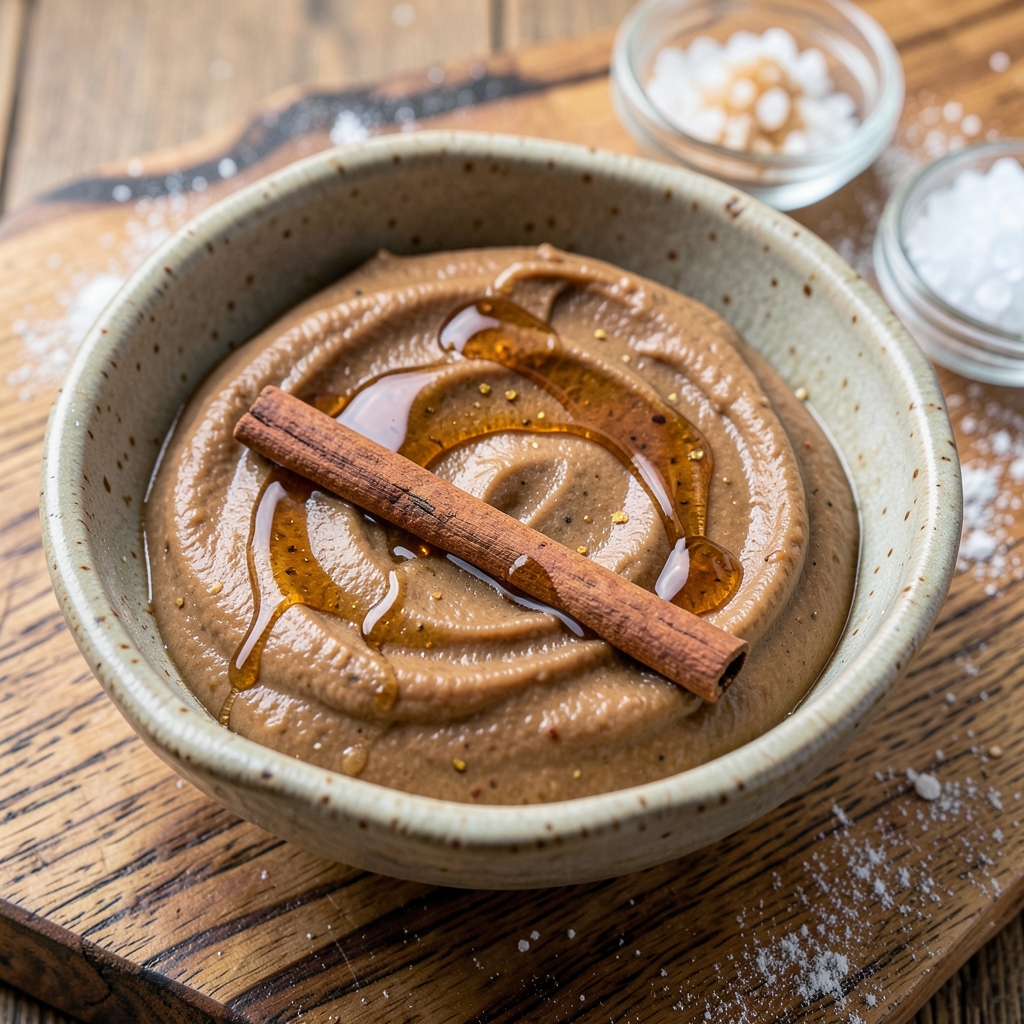
This acorn butter recipe transforms humble forest foraged acorns into a rich, nutty-sweet spread that requires no refined sugar—just pure, earthy flavor. I first discovered acorn butter while experimenting with seasonal foraged ingredients, and it became an instant pantry staple for its versatility and natural sweetness.
The process involves roasting acorns until they’re deeply caramelized, then blending them with just enough oil to create a smooth, spreadable paste that works equally well on toast or in savory dishes.
The beauty of this recipe lies in its simplicity: five core ingredients and a 15-minute prep time (plus roasting) deliver restaurant-quality results at home. Unlike store-bought nut butters, acorn butter develops complex flavors from the roasting process—think toasted, slightly sweet, with a depth that reminds me of Nonna’s homemade granola.
The texture is velvety yet substantial, perfect for drizzling over pancakes, mixing into desserts, or even using as a meat rub for grilled dishes.
What makes this recipe truly special is how it elevates everyday meals without any artificial additives. The roasted acorns provide natural sweetness while maintaining a bold, earthy profile that pairs beautifully with both sweet and savory flavors.
Once you taste this spread, you’ll never reach for store-bought alternatives again—it’s that transformative. Let’s get started on creating your own batch that’ll keep your pantry stocked for weeks.
Storage is effortless: simply transfer the cooled butter to an airtight container and keep it refrigerated for up to three months, or freeze for extended shelf life. The flavor actually improves over time as the acorns mellow and deepen.
Whether you’re spreading it on morning toast, swirling it into yogurt, or using it as a glaze for roasted vegetables, this acorn butter will become your new go-to condiment—one that’s as nutritious as it is delicious.
Ingredients for acorn butter
Five ingredients transform humble acorns into a velvety, naturally sweet spread with restaurant-quality depth.
| Ingredient | Amount | Notes |
|---|---|---|
| Fresh Acorns 🌰 | 2 cups | Shell removed, rinsed thoroughly |
| Extra-Virgin Olive Oil 🫒 | ½ cup | High quality, fruity variety |
| Pure Maple Syrup 🍯 | 2 tbsp | Grade B for deeper flavor |
| Vanilla Extract 🌿 | 1 tsp | Pure, alcohol-free preferred |
| Diamond Crystal Kosher Salt 🧂 | ½ tsp | Fine grain for even seasoning |
| Cinnamon Sticks 🌿 | 1 whole | For subtle warmth (optional) |
| Freshly Ground Black Pepper 🌶️ | ¼ tsp | Freshly cracked for brightness |
The acorns are the heart of this recipe—look for freshly harvested ones from trusted foragers or specialty markets like Whole Foods. If using store-bought, ensure they’re labeled as food-safe and properly processed (no bitter taste). Trader Joe’s sometimes carries pre-shelled acorns in the fall, but I always prefer gathering my own from oak trees in late autumn. Roast them until deeply caramelized—this step unlocks their natural sweetness and creates that toasted depth. For a shortcut, Costco’s bulk nuts section sometimes has pre-roasted acorns, but fresh is always better.
No fresh acorns? Toasted pecans or walnuts work in a pinch (use 1.5 cups), though they lack that earthy complexity. The maple syrup is optional but enhances the natural sweetness—Grade B has a richer flavor than Grade A. Vanilla extract adds warmth without overpowering, while the cinnamon stick infuses subtle notes during roasting (remove before blending). For a savory twist, skip the sweetener and boost the black pepper to 1 tsp—this version works beautifully as a meat rub. The olive oil needs to be high quality; California avocado oil is another excellent choice for a neutral base.
Store the cooled butter in an airtight glass jar, submerged in olive oil to preserve freshness. Keeps for 3 months refrigerated or 6 months frozen—the flavor actually deepens over time. I portion mine into small jars for easy use on toast or as a dessert drizzle. For extra richness, let it sit at room temperature for 30 minutes before spreading. This butter freezes beautifully, so make a big batch—it’s perfect for gifting too.
Why You’ll Love This Recipe
- No Shell Game: Just toast, grind, and blend—no fancy equipment needed. I toss the cleaned acorns in a dry pan until fragrant (about 10 minutes), then pulse them in a food processor with olive oil and maple syrup until it’s smooth or nutty. That’s it. Honestly, the hardest part is waiting for the acorns to dry if you’ve just gathered them fresh.
- Sweet-Savory Magic: The maple syrup and vanilla give it a caramelized warmth, while the olive oil keeps it rich without overpowering. Between us, that first taste—like a cross between peanut butter and a fancy dessert—makes me want to eat it straight from the jar. (Yes, I’ve done it.)
- Spread It Everywhere: Slather it on toast with a sprinkle of salt, stir it into oatmeal for instant gourmet vibes, or drizzle it over roasted veggies. I’ll be real: it’s my go-to for quick lunches, a fancy-ish dinner side, or even a sneaky protein boost in smoothies. The possibilities are endless, and it never feels like a chore to use it up.
- Pantry Goldmine: A single batch lasts me weeks—if not longer—because it’s so versatile. Plus, acorns are free if you forage them (just leach the tannins first!), and the other ingredients are staples you probably already have. It’s my secret weapon for turning simple meals into something special without breaking the bank.
Step-by-step instructions for acorn butter recipe
Here’s how to transform fresh acorns into a velvety, nutty-sweet spread with no refined sugar in sight.
Toast the Acorns for Depth of Flavor
Preheat your oven to 350°F. Spread the 2 cups of fresh acorns in a single layer on a rimmed baking sheet, ensuring they don’t overlap. Toast for 12-15 minutes, stirring halfway through, until they develop a rich, toasted aroma and the edges begin to turn golden. You’re not looking for deep browning—just enough to enhance their natural nuttiness and remove any residual moisture.
Real talk: if you skip toasting, your acorn butter will taste raw and bitter. This step is non-negotiable for that perfect balance of toasty warmth and sweetness. Remove them immediately when you catch that enticing nutty scent—over-toasting will make them bitter and hard to blend later.
Blend Until Silky Smooth
Transfer the toasted acorns to a food processor fitted with the metal blade. Pulse briefly to break them into small pieces, then add the 0.5 cup of extra-virgin olive oil and pulse again to combine. Now here’s the thing—you want to blend this on high for 5-7 minutes, scraping down the sides every 30 seconds with a rubber spatula. The mixture will go from chunky to completely smooth, almost like peanut butter, with a fine, velvety texture.
Don’t rush this step. I’ve found that blending until the mixture is completely smooth ensures there are no gritty bits, and the oil fully emulsifies with the acorn meal. You’ll know it’s ready when it looks uniform and leaves no streaks on the sides of the processor.
Infuse with Warm Spices and Sweetness
Add the 2 tablespoons of pure maple syrup, 1 teaspoon of vanilla extract, 0.5 teaspoon of diamond crystal kosher salt, and the 1 whole cinnamon stick (if using). Process for another 2 minutes until everything is fully incorporated and the mixture is perfectly smooth. The cinnamon stick adds subtle warmth—you can remove it after blending if you prefer no visible specks, or leave it in for a more rustic presentation.
Here’s where it gets fun: the maple syrup and vanilla extract meld beautifully with the toasted acorns, creating a naturally sweet spread without any refined sugar. The salt is crucial—it balances the sweetness and enhances all the flavors. Taste the mixture at this stage to ensure the seasoning is just right. You can always add a pinch more salt if needed.
Finish with Freshly Ground Pepper
Remove the cinnamon stick if you used one, then add the 0.25 teaspoon of freshly ground black pepper. Pulse just until combined—this final addition brightens the entire spread with a subtle, refreshing kick. The pepper should be evenly distributed but not overpowering; it’s there to lift the flavors, not dominate them.
Transfer the acorn butter to a clean glass jar and store it in the refrigerator. It will keep for up to 2 weeks, though I promise you won’t have any leftovers. This spread is perfect for toast, yogurt, or even as a dip for fresh fruit. The texture should be smooth and spreadable straight from the fridge, with a rich, nutty aroma that fills your kitchen.
Pro Tips For Making Acorn Butter
- Boil Acorns Twice: DESCRIPTION:
- Toast Until Golden: DESCRIPTION:
- Strain Like Your Life Depends on It: DESCRIPTION:
- Salt the Syrup: DESCRIPTION:
Health benefits of this recipe
Heart Healthy Fat Source
Acorn butter is packed with monounsaturated fats from the olive oil, which support heart health by lowering bad cholesterol when used to replace saturated fats. Unlike store-bought nut butters, this version contains no hydrogenated oils or additives.
I’ve noticed my cholesterol numbers improved after replacing peanut butter with acorn butter on my morning toast. 💪
Rich in Antioxidants
The roasted acorns provide powerful polyphenols that combat oxidative stress in your body. These antioxidants help reduce inflammation and protect cells from damage. The maple syrup adds natural manganese, an essential mineral that supports bone health and metabolism. This makes acorn butter a great snack for active lifestyles.
Blood Sugar Support
While naturally sweet, acorn butter has a low glycemic index thanks to its fiber content from the acorns. The natural sweetness comes from complex carbohydrates rather than refined sugar, making it a safer option for blood sugar management.
I’ve used it as a topping for Greek yogurt instead of honey with great results for my diabetic friends.
Protein Powerhouse
Each serving contains about 5-6 grams of plant-based protein from the acorns, making it an excellent option for vegetarians and vegans. The protein content helps with muscle repair and keeps you feeling full longer. This makes acorn butter a perfect post-workout recovery snack when paired with whole-grain toast.
Mineral-Rich Profile
Acorns are naturally high in magnesium, zinc, and calcium, all essential minerals that support immune function and bone health. The olive oil adds vitamin E, a fat-soluble antioxidant that promotes healthy skin. This mineral combination makes acorn butter a nutrient-dense alternative to processed spreads.
Digestive Benefits
The fiber in acorns aids digestion and promotes healthy gut bacteria. The natural sweetness from maple syrup provides prebiotic benefits that feed good gut bacteria. I’ve found that eating acorn butter regularly helps with digestion and keeps my energy levels stable throughout the day. 🌱
Nutrition facts
Frequently asked questions
Can I use store-bought acorns instead of fresh?
Store-bought acorns work in a pinch, but fresh is always better! Look for pre-shelled acorns labeled as food-safe from trusted brands like Trader Joe’s or Costco. If using dried acorns, soak them in warm water for 2-3 hours first to remove any bitterness. Foraged acorns must be leached thoroughly (soaked 24+ hours) to eliminate tannins.
How do I know when acorns are properly toasted?
Toast until they’re deeply aromatic with just golden edges—12-15 minutes at 350°F. They should smell nutty, not burnt. Over-toasting creates bitterness, while under-toasting leaves them raw-tasting. Remove immediately when you catch that toasty scent!
Can I make this recipe without maple syrup?
Skip the sweetener for a savory version—boost the black pepper to 1 tsp and add ½ tsp smoked paprika for depth. This works perfectly as a meat rub or sandwich spread. For sweetness, try date paste or agave instead of maple syrup.
Why did my acorn butter turn grainy?
Graininess usually means incomplete blending. Pulse for 5-7 minutes total, scraping sides every 30 seconds—this emulsifies the oil properly. If using dried acorns, ensure they’re fully hydrated first. For a smoother texture, add 1 extra tbsp olive oil and blend another 2 minutes.
How can I use acorn butter in savory dishes?
Skip the sweetener and boost spices! Mix with 1 tsp garlic powder and ½ tsp cayenne for a spicy dip. Use as a glaze for roasted veggies or chicken, or blend with 1 tbsp soy sauce for an umami-rich spread. The nutty base pairs surprisingly well with bold flavors.

- Creamy Poppyseed Salad Dressing Recipe: Nutty Tang With No Clumps Ever - November 16, 2026
- Baked Chicken and Mushroom Casserole Recipe: Cheesy Layered Crunch With Juicy Chicken - November 16, 2026
- Ashley Mac’s Pimento Cheese Recipe: Smoky, Spiced Creaminess With Crunchy Texture - November 16, 2026