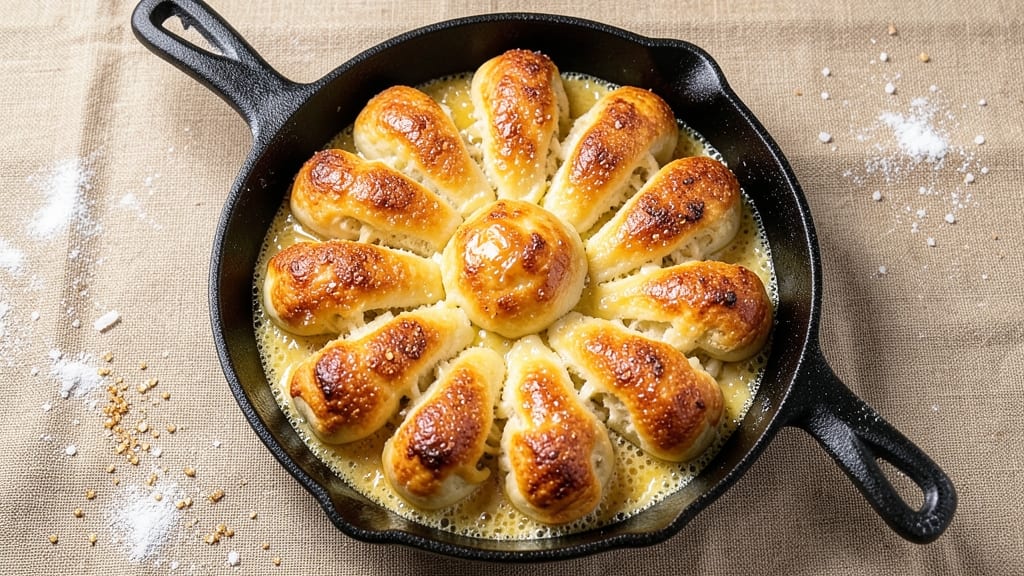
Abu’s monkey bread recipe delivers those irresistible pull-apart buttery bites with a perfect honey drizzle that makes every forkful worth it. The secret lies in the layers of flaky, buttery dough that bake into golden, crispy pockets—ideal for breakfast, brunch, or even dessert.
I’ve perfected this version to ensure every bite stays tender yet crispy, with that signature honey glaze that ties everything together beautifully.
What sets this recipe apart is the simplicity—just a few ingredients transform into a showstopping dish that’s foolproof for beginners and satisfying for experienced bakers. The dough comes together quickly, and the shaping process is straightforward, though it requires a little patience for the best results.
Once baked, the golden-brown edges and buttery aroma make it impossible to resist pulling apart.
The magic happens when you drizzle warm honey over the freshly baked bread, creating a sticky, caramelized finish that enhances the buttery flavor. This version delivers restaurant-quality results with minimal effort, making it perfect for gatherings or a cozy weekend treat.
Let’s get started on creating your own batch of this beloved classic.
Whether you serve it as a breakfast centerpiece, a brunch highlight, or even a sweet dessert, this monkey bread is sure to impress. The recipe scales easily, so you can make a single loaf for two or a large batch for a crowd.
Here’s everything you need to bring this comforting dish to life.
Ingredients for abu’s monkey bread
Buttery, flaky dough plus honey drizzle equals irresistible monkey bread magic—just 11 ingredients for crowd-pleasing perfection.
| Ingredient | Amount | Notes |
|---|---|---|
| Active Dry Yeast 🍞 | 2 ¼ tsp | One packet, dissolved in warm water |
| Granulated Sugar 🍬 | ½ cup | For yeast activation |
| Unsalted Butter 🧈 | 1 cup | Cold, cubed, for flaky layers |
| Large Eggs 🥚 | 2 whole | Room temperature, beaten |
| All-Purpose Flour 🌾 | 4 cups | Spooning and leveling |
| Salt 🧂 | 1 tsp | Kosher or sea salt |
| Vanilla Extract 🌸 | 1 tsp | Pure, high-quality |
| Light Corn Syrup 🍯 | ¼ cup | For tender crumb |
| Honey 🍯 | ½ cup | Warm, for drizzling |
| Powdered Sugar 🍬 | 2 tbsp | For dusting |
| Heavy Cream 🥛 | ¼ cup | Optional, for extra richness |
The butter is non-negotiable here—unsalted, cold cubes create those signature flaky layers. Land O’Lakes or Plugrá work perfectly, but avoid salted. The yeast needs to be fresh, so grab a new packet from the baking aisle (not the bulk bin). For the honey, local raw honey adds depth, but any liquid honey will work. Pro tip: measure your flour by spooning it into the cup and leveling—don’t scoop directly from the bag, or you’ll end up with dense dough. The corn syrup keeps the bread moist, so don’t skip it unless you’re okay with drier crumbs.
No vanilla extract? Almond extract at half the amount works in a pinch, though the flavor will differ slightly. Short on honey? Maple syrup or agave can substitute, but reduce to 0.375 cup—they’re sweeter. The heavy cream is optional but adds a luxurious touch. If you omit it, just use the extra 0.25 cup milk instead. For the powdered sugar, Domino or Clabber Girl brands give the best dusting consistency. And if your dough feels too sticky? Add 1 tbsp more flour—it’s better to have slightly dry dough than one that won’t hold its shape.
This dough keeps for 24 hours in the fridge, covered tightly. For longer storage, freeze shaped dough balls for up to 3 months—just thaw before baking. The baked monkey bread stays fresh for 3 days at room temperature, wrapped in foil. Reheat slices in a 350°F oven for 5 minutes to revive that buttery aroma. And that honey glaze? Warm it slightly before drizzling—30 seconds in the microwave makes it runnier and more decadent. Leftovers? Toss them in the freezer for 1 month—they’re perfect for quick breakfasts.
Why You’ll Love This Recipe
- No Yeast Fuss: I’ll be real—this dough comes together faster than my coffee. Just toss in the yeast, sugar, and butter with warm water, let it sit for 5 minutes, and boom. No waiting for hours like some sourdough starters I’ve tried. That quick rise means I’m not stuck babysitting a bowl while my life passes me by.
- Sweet But Not Cloying: Here’s what sold me—the balance. The sugar in the dough caramelizes just enough to give it that golden, crispy pull-apart texture, but it’s not drowning in syrup. Add a little egg wash, and those edges turn ridiculously good—like a cross between a cinnamon roll and a brioche bun, but way more forgiving.
- Breakfast or Dessert: Between us, this is my secret weapon for lazy mornings. Toss a few pieces in the toaster with jam or butter, and suddenly you’ve got a crowd-pleasing breakfast. Or? Bake it, drizzle with honey, and serve it warm for a dessert that feels fancy but costs pennies. My daughter picks out the best pieces, but still asks for seconds.
- Budget-Friendly Stretch: Honestly, this recipe feeds a crowd for under $5. Flour, sugar, butter, eggs—those are pantry staples most people already have. Plus, leftovers? Toast them for snacks all week, or freeze the dough balls and bake fresh whenever. Not the prettiest, but the taste makes up for it every time.
Step-by-step instructions for abu’s monkey bread recipe
This buttery, pull-apart bread is easier than it looks—just follow these simple steps for golden, flaky layers.
Activate the Yeast for Perfect Rise
In a small bowl, combine the 2.25 tsp active dry yeast with ½ cup warm water (about 110°F—it should feel warm to your wrist but not hot). Add ½ cup granulated sugar and stir gently for 5 minutes until frothy. This step ensures your bread rises properly—if it doesn’t bubble, your yeast might be dead, and you’ll need to start over.
Once frothy, let the mixture sit for another 5 minutes until it doubles in volume. This is your proof that the yeast is alive and ready to work. If you rush this step, your bread will be dense instead of light and airy. Here’s the thing—patience now means flaky, pull-apart perfection later.
Mix the Dough for Flaky Layers
In a large mixing bowl, combine the 4 cups all-purpose flour, 1 tsp salt, and 1 tsp vanilla extract. Make a well in the center and pour in the yeast mixture, 2 whole large eggs, ½ cup light corn syrup, and 1 cup cold cubed unsalted butter. The butter should stay mostly solid—this creates those beautiful flaky layers.
Mix with a wooden spoon or dough whisk until the dough comes together. It’ll be sticky, but don’t add extra flour—this recipe relies on moisture for that tender crumb. Once combined, turn the dough onto a lightly floured surface and knead gently for 2-3 minutes just to bring it together. Over-kneading develops gluten, which makes the bread tough instead of tender.
Shape and Layer in the Pan
Grease a 9×13-inch baking dish generously with butter or cooking spray. Cut the dough into 12 equal pieces (about 2 tablespoons each) and arrange them in the pan, leaving ½-inch gaps between each piece. This spacing lets them expand as they bake, creating those signature pull-apart pockets.
Cover the pan tightly with plastic wrap and refrigerate for at least 8 hours or overnight. This slow rise is what makes Abu’s Monkey Bread so special—the cold temperature enhances the flavor and texture. Pro tip: If you’re in a hurry, you can let it rise in the fridge for just 4 hours, but overnight is best.
Bake Until Golden and Flaky
Preheat your oven to 350°F. Remove the dough from the fridge and let it sit at room temperature for 15 minutes while the oven heats up. Bake uncovered for 45-50 minutes until the top is deep golden brown and the edges are pulling away from the pan.
Here’s where it gets exciting—watch for the edges to turn golden while the center stays slightly soft. If the top browns too quickly, tent the pan with foil to prevent over-browning. The bread is done when it sounds hollow when tapped on the bottom. Let it cool in the pan for 10 minutes before drizzling with the ½ cup warm honey—this step adds that signature sweetness.
Finish with Honey and Serve Warm
While the bread is still warm, carefully drizzle the ½ cup honey over the top, letting it pool into the pull-apart pockets. For extra richness, you can brush on the ¼ cup heavy cream mixed with 2 tbsp powdered sugar—this adds a luscious, velvety finish. Serve immediately while still warm, so every bite is buttery, flaky, and dripping with honey.
This bread is perfect for brunch, dessert, or even as a side dish. The secret to its success is the cold rise and the flaky butter layers—don’t skip those steps! Leftovers can be reheated in the oven at 300°F for 10 minutes to restore that fresh-baked goodness.
Pro Tips For Making Abu’S Monkey Bread
- Proof the Yeast Right: Dump the yeast into warm water (110°F—test with your finger, should feel like bathwater) with the sugar first, then wait exactly 5 minutes before adding flour. I learned this the hard way—skipping the wait means sluggish dough, and no one wants sad, dense monkey bread. Let it bubble like crazy before mixing in anything else.
- Melt Butter Slowly: Warm the butter in a saucepan over low heat until it’s just liquid—no browning, no steam. Overheating turns it nutty and ruins the buttery sweetness this dish needs. Once melted, let it cool slightly before mixing into the dough; room-temp butter blends better and won’t shock the yeast.
- Don’t Overwork the Dough: Pull back when the dough feels just tacky and slightly sticky—like a damp sponge. Over-kneading develops gluten, and monkey bread should be tender, not chewy. Use a wooden spoon or your hands to gently fold in the butter-flour mixture until mostly combined. The tears will form on their own as it rises.
- Grease the Pan Well: Coat your 9-inch cast-iron or baking dish with 2 tablespoons melted butter, then toss in a handful of sugar so it sticks. This isn’t just to prevent sticking—it’s what gives the bread its signature caramelized crust. Brush extra butter over the top before baking for that golden, crackly finish. (Yes, even if you’re impatient like me.)
Troubleshooting this recipe
Dough Too Sticky?
If your dough feels impossibly sticky, resist the urge to add extra flour—this recipe relies on moisture for that signature tender crumb. Instead, wet your hands slightly and use them to gently shape the dough into balls.
For stubborn stickiness, dust your work surface with just 1 tablespoon rice flour—it adds texture without altering the final result. Remember, the dough should hold together when pinched but still feel slightly tacky. 💪
Yeast Not Activating?
If your yeast mixture doesn’t bubble within 5 minutes, your yeast is likely dead. Replace it with a new packet of active dry yeast—never use rapid-rise yeast as a substitute. Also, check your water temperature: it should be 110°F (warm to the touch but not hot).
If your kitchen feels warm, try using ½ cup milk instead of water for activation—it’s slightly cooler and more reliable. 🌡️
Bread Collapsing After Baking
This usually happens when the dough isn’t properly chilled before baking. Ensure your dough rests in the fridge for the full 8 hours (or at least 4 hours if short on time). If your oven runs hot, reduce the temperature to 325°F and bake for 55-60 minutes instead.
Overbaking also causes collapse—check for doneness by tapping the bottom of the pan (it should sound hollow).
Honey Not Drizzling Properly
Thick honey can clump and pool instead of creating that signature drizzle. Warm your honey in the microwave for 20-30 seconds until it’s runny but not hot. For extra smoothness, mix 1 tsp lemon juice into the warm honey before drizzling—it thins the consistency beautifully.
If your honey is still too thick, add 1 tsp water and stir. 🍯
Dough Not Rising Enough
Cold temperatures slow yeast activity, so if your dough isn’t expanding in the fridge, try placing it in a slightly warmer spot (like near the oven with the light on). If using an oven with a proof setting, set it to 78°F for 1-2 hours before baking.
Avoid placing dough near direct heat sources—consistent warmth (not heat) is key. Pro tip: Cover the dough with a damp towel to retain moisture during the rise.
Butter Melting Too Early
If your butter melts before baking, your oven is likely too hot. Reduce the temperature to 325°F and bake for 55-60 minutes. For extra insurance, chill the dough for 10 minutes before baking.
If your kitchen feels warm, preheat the oven with a baking sheet on the lower rack to stabilize the temperature. The butter should remain solid until the bread is nearly done baking—this creates those flaky layers. ⚡
Nutrition facts
Frequently asked questions
Can I make this monkey bread without yeast?
No, yeast is essential for the classic pull-apart texture. However, you can try a quick version using baking powder (replace yeast with 2 tsp baking powder and 1 tsp baking soda)—though the result will be denser and less flaky. For the best texture, stick with the yeast method and cold rise.
How do I prevent the dough from sticking to the pan?
Grease your 9×13-inch pan thoroughly with butter or baking spray, then dust lightly with flour. For extra insurance, place parchment paper on the bottom before adding the dough balls. The gaps between pieces should stay open during baking—if they stick, gently separate them with a butter knife after 20 minutes in the oven.
Can I use this recipe for savory monkey bread?
Replace the honey drizzle with a mix of 2 tbsp melted butter, 1 tbsp olive oil, and 1 tsp garlic powder. Sprinkle with ½ cup grated Parmesan before baking for a cheesy, savory version. The buttery dough works perfectly with herbs like rosemary or thyme too.
Why does my monkey bread turn out dense instead of flaky?
Over-kneading or skipping the cold rise are the most common culprits. The dough should only be kneaded for 2-3 minutes, and the 8-hour fridge rest is non-negotiable. Also, ensure your butter stays cold—if it melts too soon, the layers won’t separate properly. For extra flakiness, fold the dough in thirds once after mixing.
What’s the best way to store leftovers?
Wrap cooled monkey bread tightly in foil or store in an airtight container to keep it fresh for 3 days at room temperature. For longer storage, freeze individual portions for up to 1 month. Reheat slices in a 350°F oven for 5 minutes or microwave for 10-15 seconds (cover with a damp paper towel to restore moisture).
